

 Français
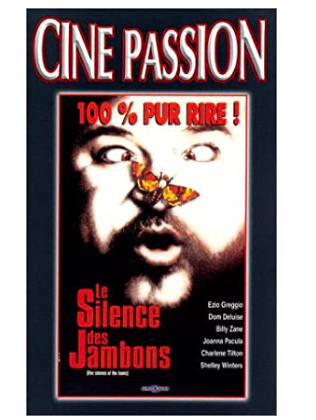
The Silence of the Hams
Synopsis
Joe Dee Foster is an inexperienced FBI agent who becomes involved in a bizarre investigation involving a dangerous serial killer. His assignment leads him into contact with eccentric criminals and an assortment of characters inspired by famous horror and thriller movies. As the investigation develops, the film turns familiar suspense situations into increasingly absurd comic sequences. Its humor relies heavily on visual gags, outrageous situations and references to popular cinema. The result is a deliberately ridiculous parody of the serial killer genre and several iconic Hollywood thrillers.
The The Making of the Film
The Silence of the Hams was conceived as a broad comedy parodying the popularity of psychological thrillers and serial killer films. Italian comedian Ezio Greggio developed the project as a combination of American genre conventions and European comic sensibilities. The title itself deliberately evokes the famous thriller The Silence of the Lambs. The screenplay transforms familiar suspense situations into absurd comic situations. The filmmakers also draw inspiration from several recognizable horror and crime movies. Rather than constructing a serious investigation, the production uses the conventions of the FBI thriller as a framework for physical comedy and parody. Greggio directed the film and also appeared in it, combining his experience as a comedian with his interest in popular cinema. The project brings together performers from different entertainment backgrounds. Its central objective was to make audiences laugh by subverting scenes and characters associated with famous suspense productions.
Critical Reception
The film received a generally mixed to negative response from professional critics. Its humor relies heavily on parody, exaggerated performances and references to other films. Some viewers appreciate its deliberately absurd approach and its willingness to make fun of famous Hollywood thrillers. Others have criticized its uneven pacing and reliance on broad jokes. Its effectiveness therefore depends heavily on the audience’s familiarity with the films being parodied.
The audience response has remained relatively niche compared with more successful American comedy parodies. Viewers interested in slapstick and references to horror cinema may find its humor entertaining. Its international distribution has also given it a small following among fans of cult comedy. The film is particularly remembered for its unusual title and its collection of references to well-known thrillers.
The production did not achieve significant recognition at major international film awards. Its reputation has developed mainly through home video circulation and interest in unusual genre parodies. It remains a relatively obscure entry in the history of 1990s horror comedy. Its principal legacy is its deliberately irreverent treatment of famous cinematic conventions.
Filming Anecdotes
Ezio Greggio approached the film as a direct parody of the suspense and horror productions that dominated popular cinema. His intention was to transform recognizable dramatic situations into exaggerated comic set pieces. The screenplay uses references to famous thrillers as the foundation for its humor. This approach required viewers to recognize the original cinematic situations in order to appreciate the jokes.
The production brought together American and European performers, giving the film an international character. Filming required the coordination of numerous visual jokes and exaggerated physical performances. The comic style also demanded careful timing because many scenes depend on sudden changes in tone. The filmmakers used familiar thriller imagery to create situations that could be immediately recognized and subverted.
The title is one of the production’s most obvious jokes. It combines a reference to The Silence of the Lambs with an absurd reference to food. This wordplay establishes the deliberately irreverent tone before the film even begins. It also illustrates the production’s approach to parodying famous Hollywood titles.
The casting reflects the project’s international comic ambitions. Ezio Greggio occupies a central creative role as director and performer. The supporting cast helps reproduce the exaggerated atmosphere of a deliberately chaotic crime comedy.
Themes Explored
Parody is the central theme of The Silence of the Hams. The film examines how suspense conventions can be transformed into comedy when their seriousness is exaggerated or deliberately undermined. It plays with the familiar image of the brilliant criminal, the inexperienced investigator and the terrifying serial killer. The contrast between dramatic expectations and ridiculous outcomes creates much of its humor. The film also explores the influence of popular cinema on collective imagination. Its numerous references encourage viewers to recognize and question familiar Hollywood formulas. Violence is transformed into a source of comic absurdity rather than realistic horror. Identity and deception are also used as recurring comic devices. The exaggerated characters reveal how easily cinematic stereotypes can become objects of ridicule. Ultimately, the film celebrates the freedom of comedy to dismantle the conventions of more serious genres.
Explanation of the Ending
The conclusion maintains the film’s deliberately absurd comic approach rather than offering a conventional thriller resolution. The investigation reaches its final stage through a series of exaggerated situations and genre references. The characters are less concerned with psychological realism than with the comic possibilities of the circumstances surrounding them. The final developments reinforce the idea that the film is primarily a parody of suspense cinema. Its ending therefore functions as a final collection of comic reversals rather than a serious reflection on crime. The story deliberately prioritizes entertainment and absurdity over a realistic resolution.
The Meaning of the Title
The Silence of the Hams is a humorous variation on the title The Silence of the Lambs. The substitution of lambs with hams creates an intentionally ridiculous phrase. It immediately signals that the film is a parody rather than a conventional psychological thriller. The title also summarizes the production’s irreverent relationship with famous cinematic references. Its wordplay is an essential part of the film’s comic identity.
Similar films include Scary Movie, Dracula: Dead and Loving It, High Anxiety, Loaded Weapon 1, Repossessed and Young Frankenstein. These comedies parody horror films, police thrillers and familiar Hollywood storytelling conventions.