

 Français
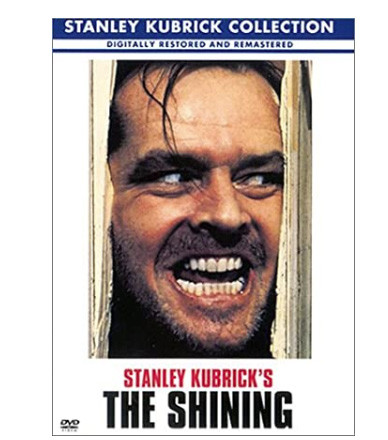
The Shining
Synopsis
Jack Torrance accepts a winter caretaker job at the isolated Overlook Hotel in Colorado, hoping to cure his writer's block while living with his wife and telepathic son. As severe snowstorms trap the family inside, the hotel's malevolent supernatural forces begin driving Jack into a homicidal madness. Young Danny experiences terrifying visions of the hotel's bloody past while his father descends into psychotic fury. This psychological horror masterpiece redefined cinematic terror.
The Making of the Film
The film is adapted from Stephen King's bestselling 1977 horror novel of the same name, drawing inspiration from King's own stay at the Stanley Hotel in Colorado. Director Stanley Kubrick sought to create a visually meticulous psychological horror film that explored human madness and domestic isolation. Kubrick spent years developing the project, heavily altering Stephen King's narrative structure and character arcs. The production aimed to revolutionize the horror genre through architectural scale and surreal dread.
Critical Reception
Professional critics gave mixed reviews upon its initial release, with some praising its terrifying atmosphere and Kubrick's visionary direction while others criticized its deliberate pacing and deviation from Stephen King's novel. Over subsequent decades, critical consensus underwent a massive reappraisal, hailing it as one of the greatest and most terrifying horror movies ever made. The film's layered ambiguity and chilling performances became subjects of endless academic analysis.
Public reception was commercially strong at the box office, gradually building an iconic cult following and cultural footprint. Audiences were captivated by the chilling imagery, iconic quotable lines, and terrifying maze sequences. It established itself as a permanent fixture of pop culture horror.
Awards and recognition were scarce during its original release, famously earning Razzie nominations for Kubrick and Shelley Duvall, which were later widely criticized. Decades later, the film consistently tops greatest horror film polls worldwide. Its enduring legacy remains untouchable in cinematic history.
Filming Anecdotes
The director drew inspiration from European art-house cinema, ghost folklore, and meticulous architectural design. Production utilized massive soundstages in England alongside exterior location shoots at the Timberline Lodge in Oregon. Kubrick was notorious for forcing actors through dozens of exhausting takes to induce genuine exhaustion and psychological distress.
Production challenges included grueling shooting schedules that lasted over a year due to Kubrick's obsessive perfectionism. Shelley Duvall suffered severe emotional and physical stress during the shoot because of the relentless demands and tense atmosphere. Maintaining precise continuity across the massive hotel set required intense technical coordination.
A memorable anecdote involves the iconic axe-door scene where Jack Nicholson improvised the famous 'Here's Johnny!' line borrowed from a television show, which Kubrick kept despite Nicholson not being British. The maze finale required extensive frozen salt and crushed styrofoam to simulate realistic winter snow. Kubrick kept the set closed to outsiders to preserve the eerie mood.
The casting process bypassed Stephen King's preference for a more relatable everyman, with Kubrick choosing Jack Nicholson precisely because his intense demeanor suggested underlying madness from the start. Anjelica Huston and others were considered before Shelley Duvall secured the emotionally vulnerable role of Wendy. The ensemble worked under extreme psychological pressure.
Themes Explored
The themes explored include madness, domestic abuse, isolation, generational trauma, and the haunted nature of history. The story examines how human evil can seep into physical spaces and corrupt fragile minds. It also highlights the psychological toll of writer's block and cabin fever.
Explanation of the Ending
The ending shows Jack Torrance freezing to death in the snowy hotel hedge maze after failing to murder his family, leaving his frozen corpse locked in eternal despair. In the final haunting shot, a 1921 hotel ballroom photograph reveals Jack Torrance smiling front and center among the ghosts of the past. The ambiguous conclusion suggests that Jack was always part of the hotel's cyclical supernatural history.
Title Significance
The title 'The Shining' refers to the psychic telepathic ability possessed by young Danny Torrance and hotel cook Dick Hallorann. It symbolizes the glowing, supernatural awareness that pierces through the hotel's veil of secrets. The name sets a haunting, mysterious tone.
The film remains a frequent subject of documentaries, analytical video essays, and pop culture homages.
The Exorcist, Rosemary's Baby, Hereditary, Psycho