

 Français
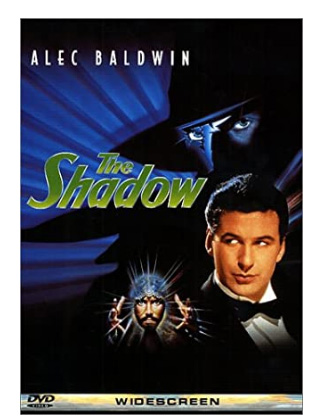
The Shadow
Synopsis
Set in a stylized, shadowy 1930s New York City, Lamont Cranston is a wealthy playboy who secretly operates as The Shadow, a feared, cloaked vigilante wearing a slouch hat and red scarf who uses hypnotic mind-control abilities—learned during years spent as a ruthless opium warlord in Tibet—to fight underworld crime. Cranston's vigilante mission is challenged when a mysterious young archaeologist uncovers the frozen sarcophagus of Shiwan Khan, the last surviving descendant of Genghis Khan. Khan comes to New York planning to build a devastating atomic bomb and conquer the city, using his own mind-control powers to recruit allies. Cranston must assemble a team of agents to stop Khan before Manhattan is vaporized.
The Making of the Film
Director Russell Mulcahy adapted the classic pulp fiction hero created by Walter B. Gibson from 1930s radio broadcasts and pulp magazines. Producer Martin Bregman sought to create a visually striking, gothic superhero epic reminiscent of Tim Burton's 'Batman', utilizing stylized art-deco sets and supernatural martial arts.
Critical Reception
Professional critics gave the film mixed reviews, praising Alec Baldwin's charismatic lead performance, gorgeous gothic art-deco cinematography, and Jerry Goldsmith's majestic score, while noting its uneven script.
The general public offered moderate box office returns, making it a cult favorite among 1990s pulp adventure fans.
The film received minor Saturn Award nominations for its fantasy design.
Behind-the-Scenes Stories
Director Russell Mulcahy drew inspiration from 1930s pulp detective magazines, old-time radio shows, and expressionist art-deco design. Production required massive soundstage construction on the Universal backlot to build the gloomy, fog-shrouded 1930s New York streets.
During the filming of the invisible mind-control sequences, Alec Baldwin coordinated complex lighting and optical invisibility effects.
Initially, various directors like Sam Raimi were attached before Mulcahy brought the pulp hero to the screen.
Themes Explored
The film explores duality of identity, pulp superheroism, mind-control hypnosis, redemption of a former warlord, and urban defense.
Ending Explained
The ending shows Cranston defeating Shiwan Khan in a mind-bending psychic battle inside an unfinished skyscraper globe, destroying the atomic device and embracing his heroic destiny.
Meaning of the Title
The title 'The Shadow' references the protagonist's famous pulp catchphrase and vigilante identity, embodying the dark psychological power of shadows.
Similar Films
Batman, The Phantom, Dick Tracy, The Rocketeer