

 Français
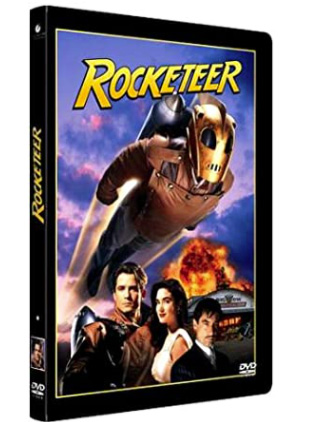
The Rocketeer
Synopsis
Set in 1938 Los Angeles during the golden age of aviation, a courageous young stunt pilot stumbles across a top-secret rocket pack hidden inside his biplane by fleeing gangsters. Donning a sleek leather helmet and strapping the experimental jetpack to his back, he takes to the skies as a masked hero known as "The Rocketeer." Soon, he finds himself hunted by federal agents, corrupt movie stars, and Nazi spies who want to weaponize the incredible technology. This thrilling retro adventure blends pulp action with 1930s Hollywood glamour.
The Making of the Film
The concept for The Rocketeer was adapted from Dave Stevens's acclaimed 1982 independent comic book series, which served as a loving tribute to 1930s pulp magazine serials like Commando Cody. Producer Lawrence Gordon and director Joe Johnston were attracted to the material because it offered a chance to revive the wholesome, high-flying adventure tone of classic Hollywood matinee movies. The production team spent years meticulously recreating pre-World War II Los Angeles, vintage aircraft, and iconic art deco architecture. The filmmakers aimed to deliver a visually sumptuous pulp spectacle.
Critical Reception
Professional critics gave generally positive reviews to The Rocketeer, praising its nostalgic charm, gorgeous period production design, thrilling aerial stunts, and Billy Campbell's endearing lead performance. Reviewers noted that while its box office returns fell short of studio expectations during its summer release, it succeeded as a beloved, beautifully crafted adventure classic. The public response grew increasingly passionate over the years, turning the film into a revered cult classic among fans of retro science fiction. Audiences adored the art deco rocket design and fast-paced dogfights. The film received Saturn Award nominations for its stellar costume and production design.
Filming Anecdotes
Director Joe Johnston drew heavy inspiration from 1930s newsreels, classic aviation history, and Dave Stevens's original comic panels to establish an authentic retro atmosphere. Production involved building a full-scale working prototype of the rocket pack and utilizing historic Santa Maria airfields to house genuine vintage 1930s biplanes. During the filming of the dangerous zeppelin climax, stunt performers executed high-altitude wire work against massive matte paintings. Before Billy Campbell was cast as Cliff Secord, several other major young actors were considered during early studio development.
Main Themes
The film explores themes of heroism, patriotism, romantic loyalty, technological ethics, and the timeless thrill of aviation. It highlights how ordinary working-class individuals can rise to extraordinary challenges to protect their loved ones and country from foreign tyranny. Furthermore, it celebrates the golden age of cinema and invention.
Ending Explanation
The climax resolves the high-flying conspiracy when the villainous Nazi spy Neville Sinclair attempts to escape aboard a massive German zeppelin, only for the rocket pack to malfunction and explode due to sabotage. Cliff rescues his girlfriend Jenny from the burning airship just moments before it crashes in a fiery spectacle over the Hollywood hills. Having saved Los Angeles and defeated the Axis spies, Cliff and Jenny ride off into the sunset with the eccentric inventor Peevy. The film ends on a triumphant, nostalgic note celebrating true American pulp heroism.
Title Significance
The title directly honors the heroic persona adopted by the protagonist: the rocket-flying pilot soaring through the skies of 1930s America.
The film features a magnificent, soaring orchestral musical score composed by James Horner that captures the majestic spirit of flight and old-school cinematic adventure.
NULL
Captain America: The First Avenger, Indiana Jones, Sky Captain and the World of Tomorrow, The Shadow