

 Français
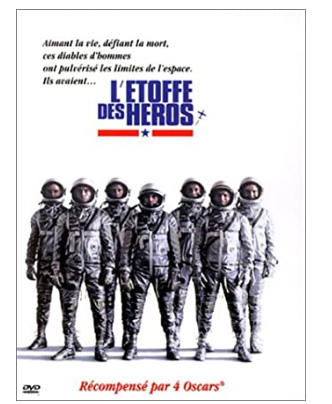
The Right Stuff
Synopsis
This epic historical drama chronicles the thrilling beginnings of Americas manned space program from 1947 to 1963. Based on Tom Wolfes acclaimed non-fiction book, the narrative follows supersonic test pilots pushing the limits of aviation at Edwards Air Force Base. When the Soviet Union launches Sputnik, seven elite pilots are selected as the Mercury astronauts to brave the unknown depths of space. Through personal triumphs and dangerous missions, these pioneering men become American legends.
The Making of the Film
Director and screenwriter Philip Kaufman adapted the film from Tom Wolfes bestselling 1979 book documenting the early space race. Producer Irwin Winkler recognized the brilliant potential in combining patriotic history with wry social satire. The production aimed to honor the courage of test pilots while demythologizing the media-manufactured space heroes.
Critical Reception
Critics universally acclaimed The Right Stuff as a magnificent, energetic, and visually stunning masterpiece of American cinema. Reviewers praised Philip Kaufmans sharp screenplay, innovative sound design, and the stellar ensemble cast portraying the Mercury astronauts. Despite its critical triumph, the film unfortunately underperformed at the box office upon its initial release.
Public reception grew into a devoted cult following over subsequent years as home video rediscovery elevated its status. Audiences appreciated the rousing patriotic spirit, humor, and thrilling rocket launch sequences. It is now widely regarded as one of the greatest films of the 1980s.
The film won four Academy Awards, including Best Original Score, Best Sound, Best Sound Effects Editing, and Best Film Editing. It also earned a Best Picture nomination and widespread acclaim from aviation societies. Its legacy as an inspiring space epic endures.
Filming Anecdotes
Director Philip Kaufman drew inspiration from historical NASA archives, aviation documentaries, and Tom Wolfes journalistic style. He wanted the visual tone to contrast the dusty, sun-baked Edwards Air Force Base with the sterile chrome of the space program. His direction encouraged actors to capture the swagger and competitive bravado of real test pilots.
Production faced massive logistical challenges coordinating authentic vintage aircraft and building replica space capsules for stunt sequences. Ed Harris, Scott Glenn, and Dennis Quaid underwent physical training to portray elite military aviators convincingly. The stunt flying sequences required expert pilots executing dangerous aerial maneuvers safely on camera.
A memorable sequence involves Chuck Yeager pushing the Bell X-1 experimental rocket plane through the sound barrier amidst violent rattling. The scene captures the sheer terror and exhilaration of breaking aviation limits. Sam Shepherds gritty portrayal of Yeager grounded the historical triumph in rugged realism.
The casting process assembled a powerhouse ensemble of rising and established Hollywood actors. Ed Harris was cast as John Glenn, bringing authentic all-American earnestness to the role. Scott Glenn and Dennis Quaid were chosen for their rugged charisma and physical presence as Alan Shepard and Gordon Cooper.
Themes Explored
The film explores courage, technological progress, heroism, media fabrication, and American ambition. It contrasts rugged individualism with institutional bureaucracy. Pushing human boundaries in the face of fear is a central motif.
NULL
Title Significance
The title refers to the elusive psychological and physical qualities possessed by elite test pilots and astronauts. It highlights the special mix of bravery, skill, and calm under pressure required to conquer space.
NULL
NULL
Similar Films
Other similar films include Apollo 13, First Man, and The Stuff.