

 Français
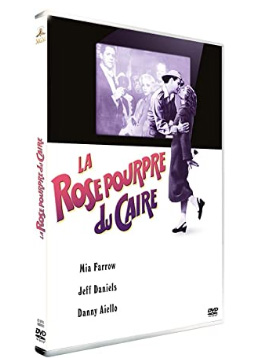
The Purple Rose of Cairo
Synopsis
During the Great Depression in New Jersey, Cecilia is a gentle, movie-obsessed waitress trapped in an unhappy marriage and a dreary life. Her only escape is going to the local cinema. One afternoon, while watching her favorite adventure film, the handsome fictional archaeologist Tom Baxter breaks the fourth wall, steps right out of the silver screen, and into the real world to be with her, throwing both reality and Hollywood into utter chaos.
The Making of the Film
Woody Allen conceived the film as a magical, bittersweet tribute to the escapist power of cinema during hard economic times, inspired by classic Hollywood screwball comedies and fantasy films of the 1930s. Allen wanted to explore the delicate boundary between comforting illusion and harsh reality, reflecting on why human beings rely so heavily on art to endure daily suffering.
Critical Reception
Critics praised the film's clever premise, whimsical tone, and poignant exploration of escapism, calling it one of Woody Allen's most inventive and tender cinematic achievements. Mia Farrow and Jeff Daniels received widespread acclaim for their charming, contrasting performances.
Audiences appreciated the heartwarming blend of romance, gentle satire, and melancholic depth, though it was a modest commercial performer compared to Allen's broader comedies.
The film won the BAFTA Award for Best Film and received an Academy Award nomination for Best Original Screenplay, alongside numerous international festival honors.
Filming Anecdotes
Woody Allen was inspired by classic 1930s romantic comedies, Buster Keaton's Sherlock Jr., and the nostalgic golden age of studio-era Hollywood storytelling. He aimed for a muted, sepia-toned visual palette to evoke the Depression era.
Production required meticulous set design to construct authentic 1930s movie theaters and working-class New Jersey backdrops, requiring precise lighting coordination between screen projections and live actors.
During the scene where Tom Baxter steps off the screen, the visual effects team had to carefully match lighting and focus frames so the transition between celluloid illusion and physical reality appeared seamless.
Michael Keaton was originally cast as Tom Baxter and even filmed several days of footage, but Allen realized during daily rushes that Keaton felt too modern for the 1930s persona and replaced him with Jeff Daniels.
Major Themes
The escapist power of cinema, illusion versus harsh reality, Depression-era hardships, romantic yearning, and the bittersweet nature of human fantasy.
Explanation of the Ending
Cecilia is forced to choose between the fictional movie hero and the real actor who played him, ultimately losing both as Tom returns to the film and the actor leaves her behind, leaving her to find solace in a fresh movie screening.
Title Significance
The title refers to the fictional adventure film within the movie, representing the exotic, glamorous escapism that draws the protagonist away from her dreary everyday existence.
Midnight in Paris, Cinema Paradiso, The Truman Show, Amélie