

 Français
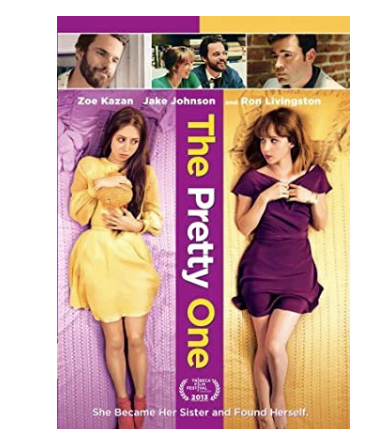
The Pretty One
Synopsis
Audrey and Laurel are identical twin sisters living starkly contrasting lives: Audrey is glamorous and confident, while Laurel is painfully shy, reclusive, and wears frumpy clothes. When they are involved in a tragic car accident while driving together, Audrey is killed, and Laurel is mistakenly identified as her deceased sister. Instead of correcting the identity mix-up, Laurel decides to assume Audrey's confident persona to escape her own miserable shell. As she starts living her glamorous sister's life, she falls in love with an architect who knew Audrey, complicating her deception.
The Making of the Film
Written and directed by Jenee LaMarque, the indie film marked her feature-length directorial debut after gaining attention in the short film circuit. LaMarque drew inspiration from exploring sibling dynamics, identity transference, and the psychological weight of being labeled the "shy sibling." The project aimed to blend quirky indie comedy with a tender coming-of-age romance. Securing financing for a quirky indie twin-swap premise required careful budgeting and creative casting.
Critical Reception
Critical reception for the film was generally mixed to positive, with reviewers praising Zoe Kazan's charming dual performance as both twin sisters. Critics appreciated the movie's whimsical indie charm and gentle exploration of grief and self-reinvention, even if some found the premise overly contrived. Audiences at film festivals responded warmly to its quirky humor and emotional sensitivity. It achieved a modest cult following within the independent film community.
Behind-the-Scenes Stories
Zoe Kazan had to shoot scenes interacting with herself, utilizing body doubles and complex split-screen camera techniques to portray both twins. The production was filmed on location in Los Angeles on a tight independent shooting schedule. Costume designers created radically different wardrobes for Audrey and Laurel to help Kazan instantly shift character personas on set. The cast collaborated closely with the director to keep the delicate tonal balance between comedy and grief.
Themes Explored
The film explores identity, self-reinvention, and overcoming deep-seated insecurities following personal trauma. It examines sibling rivalry, grief, and how family labels shape personal self-worth. Authenticity in romance and the courage to reveal one's true self are central pillars of the narrative. It also touches upon personal growth and acceptance.
Ending Explained
Laurel's elaborate deception is eventually uncovered, forcing her to confront her fears and reveal her true identity to the man she loves. Instead of rejecting her, he accepts her for who she truly is rather than the glamorous persona she pretended to be. Laurel finally sheds her reclusive habits and embraces her own unique beauty and confidence. The conclusion offers a heartwarming, redemptive resolution to her identity crisis.
Meaning of the Title
The title refers to the lifelong family label and psychological burden of being designated as the "pretty one" versus the plain twin. It highlights the core insecurity that drives Laurel to steal her sister's identity. The name encapsulates the central theme of self-worth and external validation.
NULL
Ruby Sparks, Safety Not Guaranteed, Celeste and Jesse Forever, Lars and the Real Girl