

 Français
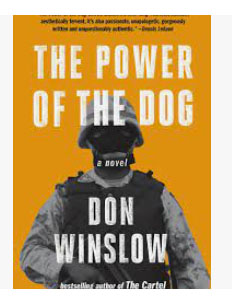
The Power of the Dog
Synopsis
In 1925 Montana, Phil Burbank is a charismatic and cruel rancher who dominates everyone around him. When his brother George marries a widow named Rose and brings her and her sensitive son Peter to the family ranch, Phil sets out to torment them. Rose sinks into despair, while Phil begins to take an unexpected interest in the shy young man. Beneath the surface of the story, simmering tensions and secrets slowly come to light.
The Making of the Film
The Power of the Dog is adapted from the 1967 novel by Thomas Savage, a book that had been largely forgotten until Jane Campion discovered it. She had not directed a feature film for more than a decade, since Bright Star in 2009, and she was drawn to the novel's portrait of toxic masculinity and repressed desire. Campion wrote the screenplay herself and chose to shoot in New Zealand, where the landscapes of Otago stood in for the plains of Montana. Benedict Cumberbatch took the role of Phil, with Kirsten Dunst as Rose, Jesse Plemons as George and Kodi Smit-McPhee as Peter. The actors reportedly stayed in character on set, and Cumberbatch learned to ride, rope and play the banjo for the part. The film premiered at the Venice Film Festival in September 2021 and was released on Netflix in December.
Critical Reception
Summary of professional reviews
Critics were largely ecstatic. They praised Campion's precise and patient direction, the rich cinematography by Ari Wegner and the remarkable performances, especially those of Cumberbatch and Smit-McPhee. Many described it as a revisionist western that was as much a psychological drama as a genre film. A few reviewers found the pace slow and the ending ambiguous, but it was one of the best-reviewed films of the year.
Public reception
Audiences were more divided than critics, with some viewers finding the slow burn rewarding and others finding it hard to engage with. The film was widely discussed on streaming and became one of Netflix's most prestigious releases of the year.
Awards received
The film received twelve Academy Award nominations and won Best Director for Jane Campion, making her the third woman to win the award. It also won the Golden Globe for Best Motion Picture, Drama, and the Silver Lion for Best Director at Venice.
Behind-the-Scenes Stories
Director's inspirations
Campion has said that the novel spoke to her because it looked at the hidden pain behind a macho facade. She drew on the landscape and the western tradition, but wanted to subvert it by focusing on vulnerability and on what is left unsaid.
Production difficulties
The production was shot in remote parts of New Zealand, with a cast that had to learn cowboy skills. The pandemic added complications, including strict health protocols on set.
Anecdote about a particular scene
Cumberbatch has said that he refused to wash for much of the shoot to feel closer to Phil's rough way of life. The cast and crew have joked that he stayed in character even off camera, which contributed to the tension on set.
Themes Explored
The film is a study of repressed desire, masculinity and cruelty. Phil is a man who has built a rough image to hide a part of himself that he cannot accept, and his violence is a form of self-defense. It also looks at the way people can be destroyed by loneliness and by the weight of other people's expectations. Rose's story shows how emotional cruelty can break someone down. The vast, silent landscape mirrors the characters' isolation. Power, vulnerability and hidden strength are at the heart of the drama.
Ending Explained
Peter slowly gains Phil's trust and makes a rope from a rawhide that Phil had been handling. Phil has a cut on his hand and is infected with anthrax from the hide, though he does not realize it. He becomes ill and dies, and the film suggests that Peter planned it. In the last scene, Peter calmly looks out of the window after the funeral, with Rose at last relieved of her torment, which reveals that the quiet young man had been far more resourceful than anyone suspected.
Meaning of the Title
The title comes from a line in Psalm 22 of the Bible, which asks for deliverance from the sword and from the power of the dog. In the film, the verse is spoken by Peter and appears to refer to the cruelty from which he and his mother need to be saved. It also ties the story to ideas of danger, faith and protection.
Original Soundtrack
Jonny Greenwood, the guitarist of Radiohead, composed the score, which mixes cello, strings and the sound of a banjo. The music is unsettling and austere, and it earned Greenwood an Academy Award nomination. It is considered one of the film's most remarkable features.
Similar Films
For other revisionist westerns, try Brokeback Mountain, There Will Be Blood and The Assassination of Jesse James by the Coward Robert Ford. Jane Campion's The Piano and Bright Star are essential companions. No Country for Old Men and Meek's Cutoff also deal with harsh landscapes and troubled characters.