

 Français
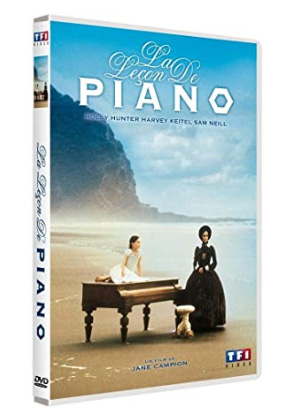
The Piano
Synopsis
Set in the mid-19th century, Ada McGrath is a mute Scottish woman who travels with her young daughter and her cherished piano to the rugged, remote wilderness of New Zealand for an arranged marriage to a stoic local frontiersman named Alisdair Stewart. When Stewart refuses to transport the heavy piano through the muddy bush, leaving it abandoned on the beach, a rough colonial neighbor named George Baines offers to buy the instrument back from Stewart in exchange for piano lessons, which gradually transform into an intense, clandestine erotic affair. As passion, jealousy, and societal strictures collide in the colonial wilderness, Ada and Baines must fight for their forbidden bond.
The Making of the Film
Writer-director Jane Campion conceived the original dramatic narrative, inspired by her fascination with 19th-century colonial history, female sexuality, and the untamed landscapes of her native New Zealand. Campion wanted to explore a story centered on a voiceless woman whose primary emotional expression and power emanated entirely through musical performance on her piano.
Critical Reception
Professional critics universally acclaimed the film as a masterpiece of modern cinema, praising Holly Hunter and Anna Paquin's powerhouse Academy Award-winning performances, Jane Campion's visionary direction, and Michael Nyman's haunting musical score. The general public embraced the art-house drama warmly, turning it into a major global box office success.
The film won the prestigious Palme d'Or at the Cannes Film Festival, making Jane Campion the first female director to win the award, alongside three Academy Awards.
Behind-the-Scenes Stories
Director Jane Campion drew inspiration from 19th-century pioneer diaries, colonial New Zealand history, and Victorian literature. Production required grueling location shooting in muddy, rainy New Zealand rainforests, testing the physical endurance of the cast and crew.
During the filming of the dramatic beach scenes, Holly Hunter performed her own complex piano compositions on set despite the freezing weather conditions.
Initially, various alternative actresses were considered before Holly Hunter secured the mute protagonist role.
Themes Explored
The film explores female autonomy, unspoken communication, passion versus repression, colonial imperialism, and the healing power of art.
Ending Explained
The ending shows Ada, her daughter, and Baines starting a new life together in Melbourne, where Ada learns to speak and play a metal-keyed piano, having symbolically cast her old silent trauma into the ocean.
Meaning of the Title
The title 'The Piano' represents both the physical instrument that anchors the emotional life and voice of the mute protagonist and the central catalyst for the romantic narrative.
Similar Films
Bright Star, The Piano Teacher, The English Patient, A Room with a View