

 Français
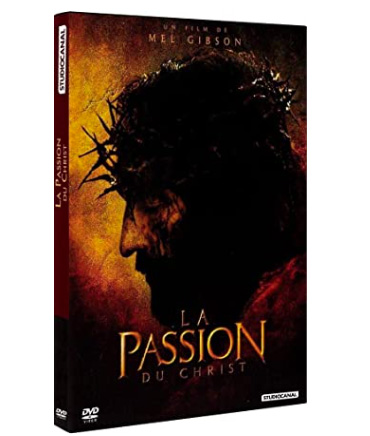
The Passion of the Christ
Synopsis
The film follows the last twelve hours of the life of Jesus of Nazareth, from his agony in the Garden of Gethsemane to his crucifixion in Jerusalem. Betrayed by Judas, arrested by the Temple guards and brought before the Sanhedrin and Pontius Pilate, Jesus endures brutal torture. Told almost entirely in Aramaic, Latin and Hebrew, the story is shown through a raw and visceral lens. It ends with his death and a brief glimpse of his resurrection.
The Making of the Film
Mel Gibson conceived the project after going through a personal crisis in the early 1990s, during which he turned to his Catholic faith. He felt a strong need to tell the story of Christ's suffering in a way that would make audiences feel the sacrifice as if they were present. Gibson wrote the script with Benedict Fitzgerald, drawing on the four Gospels but also on religious texts like The Dolorous Passion of Our Lord Jesus Christ by Anne Catherine Emmerich. He decided to make the film in the original languages of the time, so that its realism would be even more striking. No major studio wanted to finance such a risky project, so Gibson put up around thirty million dollars of his own money through his company Icon Productions. The film was shot in Italy, in the town of Matera and at the legendary Cinecittà studios in Rome. His aim was not to make a conventional biblical epic, but a deeply personal act of devotion. The film also drew visual inspiration from classical painting, in particular the dramatic light of Caravaggio.
Reviews and reception
Professional critics' summary
Critics were deeply divided, with some praising the film's artistic ambition and powerful imagery, while others condemned its extreme violence. Several reviewers found it impressive as a work of cinematic craft, especially its photography and makeup. Others argued that the focus on torture overshadowed the spiritual message. The film also provoked heated debates over accusations of antisemitism, which Gibson firmly rejected.
Audience reception
Despite controversy, the film was a huge success with audiences, especially religious viewers who organised group screenings in churches. It earned more than 600 million dollars worldwide, an extraordinary figure for a film with subtitles. In the United States, it became one of the highest-grossing R-rated films ever released. Many viewers described a strong emotional and spiritual impact, while others found it too difficult to watch.
Awards
The film received three Academy Award nominations, for Best Cinematography, Best Makeup and Best Original Score. It did not win any of these categories, but the nominations confirmed its technical quality. It also won several awards in faith-based and popular ceremonies. Its greatest honour remained its extraordinary commercial success.
Filming anecdotes
Director's inspirations
Gibson was inspired by the visionary writings of Anne Catherine Emmerich as well as the paintings of the Renaissance and Baroque masters. He wanted the film to feel like a living painting, with shadows and light carefully composed. The decision to use Aramaic and Latin was meant to make the story feel timeless and universal. He also wanted audiences to experience the suffering of Christ in a visceral way rather than through traditional sentimental storytelling.
Production difficulties
Filming was physically gruelling for the actors, particularly Jim Caviezel, who suffered from hypothermia and a dislocated shoulder. He also spent long hours in makeup to simulate the wounds, which sometimes took up to eight hours to apply. The shoot was further complicated by the fact that no studio supported the project, so Gibson had to manage the finances himself. The crew also had to coordinate a cast speaking in ancient languages, which required careful coaching.
Anecdote about a particular scene
Jim Caviezel was reportedly struck by lightning during the filming of the Sermon on the Mount sequence. The hand that is seen driving the nail into Jesus' hand in the crucifixion scene belongs to Mel Gibson himself, a symbolic gesture meant to show that all humanity bears responsibility. The scourging scene is among the most intense in modern cinema and took a heavy toll on the cast and crew.
Originally planned casting
Gibson selected Jim Caviezel because of his intense gaze and his willingness to take on the physical demands of the role. Romanian actress Maia Morgenstern was cast as Mary, with Monica Bellucci playing Mary Magdalene. The film's international cast was chosen partly for their ability to adapt to the demanding linguistic requirements of the shoot.
Themes explored
The central theme of the film is sacrifice and redemption, shown through the suffering of Jesus for the sins of humanity. It also explores faith and the moral courage needed to remain true to one's beliefs. Betrayal is an important motif, represented by Judas and by Peter's denial. The film examines the relationship between political power and religious authority, as Pilate hesitates to condemn an innocent man. Love, especially the bond between Jesus and his mother Mary, brings moments of tenderness amid the violence. Another theme is the nature of evil, personified by a mysterious androgynous figure who tempts Jesus. The film also invites reflection on forgiveness, as Jesus asks God to pardon his executioners. Overall, it is a meditation on pain, compassion and hope.
Ending explained
After Jesus dies on the cross, the sky darkens and an earthquake shakes Jerusalem, tearing the veil of the Temple. A tear falls from the heavens, symbolising God's grief over the death of his son. Jesus' body is taken down from the cross and laid in the arms of Mary in a scene that recalls the Pieta. The final shot shows the stone rolled away from the tomb and Jesus rising, resurrected, with the wounds from the nails visible in his hands. This short sequence offers a message of hope after the darkness of the previous two hours. It reframes the story of suffering as a story of victory over death. The ending is deliberately brief, letting the emotional weight of the Passion remain the film's main focus. For believers, it confirms the promise of salvation, while for others it provides a quiet closing image.
Meaning of the title
The word passion comes from the Latin passio, meaning suffering or enduring. In Christian tradition, the Passion refers to the events from the Last Supper to Jesus' death on the cross. By using this title, Gibson clearly signals that the film will focus on pain and sacrifice rather than on Jesus' teachings. The term also has a second meaning in modern English, that of intense emotion, which fits the film's fervent tone. The phrase "of the Christ" places the story in the realm of faith, presenting Jesus as the Messiah. Together, the words promise an uncompromising portrayal of suffering for a higher purpose. The title therefore sums up the film's ambition to be both a work of devotion and a cinematic experience.
Original Soundtrack
John Debney composed the score, which blends orchestral music with Middle Eastern instruments and choral voices. The music underlines the emotional intensity of the story without overwhelming it. His work earned him an Academy Award nomination for Best Original Score.
News
A sequel titled The Resurrection of the Christ has been announced by Mel Gibson, with Jim Caviezel expected to return as Jesus. The project is planned as two parts, with a release scheduled for 2027 according to announcements. It aims to explore the events that follow the crucifixion on an even larger scale.
Similar Films
The Gospel According to St. Matthew by Pier Paolo Pasolini is a classic and more austere approach to the life of Christ. The Last Temptation of Christ by Martin Scorsese offers a very different take on the same figure. Ben-Hur and The Ten Commandments are great biblical epics from Hollywood's golden age. Silence by Martin Scorsese and Apocalypto, also directed by Mel Gibson, are other intense, faith-driven films.