

 Français
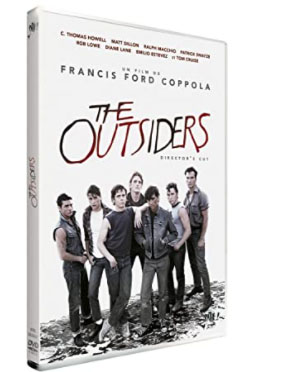
The Outsiders
Synopsis
This iconic, deeply moving coming-of-age drama follows the fierce class warfare between two rival teenage gangs in 1965 Tulsa, Oklahoma: the working-class "Greasers" and the wealthy, privileged "Socs." When a violent park altercation ends with a Soc killed in self-defense, two sensitive Greaser best friends are forced to go on the run to a dusty abandoned church in the countryside. Amidst rural isolation, local fires, and tragic hospital showdowns, the youths grapple with brotherhood, social inequality, and the painful loss of innocence. It is a legendary, beautifully shot masterpiece of youth cinema.
The Making of the Film
The project originated from a letter sent to director Francis Ford Coppola by a librarian in Fresno, California, sharing a petition from middle-school students begging him to adapt S.E. Hinton's beloved 1967 young adult novel 'The Outsiders'. Coppola, deeply moved by the passionate request, committed immediately to honoring the book with absolute fidelity. Inspiration was drawn from Hinton's real teenage experiences in Oklahoma and classic coming-of-age tropes. The creative team aimed to produce a visually poetic masterpiece featuring an unprecedented ensemble of rising young Hollywood stars.
Critical Reception
Critics offered generally favorable reviews, praising the film's gorgeous golden-hour cinematography, emotional sincerity, and breakout performances from a legendary young ensemble. Reviewers noted that Coppola successfully captured the poetic melancholy and tribal loyalty of S.E. Hinton's literary world. The intense dramatic moments and nostalgic soundtrack received widespread acclaim. While some felt the melodramatic narrative leaned heavily into stylized romanticism, its emotional impact resonated powerfully.
Audience reception was massive and enthusiastic, driving the film to strong box office success and turning it into an immortal cultural touchstone of youth cinema. Viewers on public platforms praised the iconic lines, intense brotherhood themes, and star-studded cast. Fans of the novel celebrated how faithfully the film captured the spirit of Hinton's universe. Word-of-mouth sustained its legendary status across generations.
Awards season brought recognition from various young artist awards and film festivals, honoring the extraordinary ensemble cast including Tom Cruise, Matt Dillon, Patrick Swayze, Rob Lowe, Emilio Estevez, and C. Thomas Howell. Critics' associations praised Coppola's visionary direction and Stephen Burum's breathtaking cinematography. These accolades cemented its status as a timeless classic in American cinema.
Behind-the-Scenes Stories
The director drew visual inspiration from classic 1950s and 60s romantic paintings, iconic greaser photography, and golden-hour sunset lighting to establish a dreamy, nostalgic aesthetic. Every set, from the rustic rural church to the gritty Oklahoma railroad tracks, was chosen to reflect the socioeconomic divide between the gangs. The production team collaborated closely with author S.E. Hinton, who visited the Oklahoma sets frequently to ensure authentic period detail. These artistic choices created an unforgettable cinematic world.
Production presented fun logistical challenges, particularly in managing a massive, hyperactive ensemble of young actors who would go on to become the defining movie stars of their generation. Francis Ford Coppola fostered a competitive yet tight-knit brotherhood among the cast, famously housing them in separate quarters to build authentic gang rivalry. Shooting on location in Tulsa exposed the crew to authentic Midwestern weather. Furthermore, maintaining intense emotional vulnerability during tragic hospital scenes demanded immense focus.
During the filming of the dramatic church fire rescue sequence, the young actors performed dangerous practical stunt work amidst real flames and falling timbers. To maintain authentic emotional exhaustion, Coppola kept the actors running and working in the heat for hours. The crew utilized golden-hour natural sunlight to accentuate the poetic, romantic tone. This rigorous dedication resulted in legendary cinematic moments.
Casting was a legendary historical milestone, assembling an unprecedented roster of unknown or rising young actors who formed the core of the legendary "Brat Pack," including Tom Cruise, Matt Dillon, Patrick Swayze, Rob Lowe, Emilio Estevez, Ralph Macchio, and C. Thomas Howell. C. Thomas Howell was chosen for his vulnerable emotional depth as Ponyboy. This star-studded casting strategy was the absolute heartbeat of the film's immortal success.
Themes Explored
The narrative deeply explores themes of social class warfare, brotherhood, and the painful loss of youthful innocence. It examines loyalty, tribal identity, and transcending socio-economic prejudice. Additionally, it highlights heroism, grief, and finding beauty amidst tragedy. Ultimately, the film reflects on youth, mortality, and remaining true to oneself.
Ending Explained
The tragic deaths of both Johnny and Dally from injuries sustained in the church fire and police shootouts lead Ponyboy to write an English class essay detailing his gang's turbulent experiences, which becomes the very novel we are watching. In the poignant final sequence, Dally's posthumous letter urges Ponyboy to "stay gold," capturing the timeless poetic message of preserving childhood wonder. This moving resolution honors the unbreakable bond of brotherhood.
Meaning of the Title
The title directly references the social isolation felt by the working-class Greasers who live on the outside margins of affluent society.
Original Soundtrack
The atmospheric musical score by Carmine Coppola and the iconic theme song "Stay Gold" performed by Stevie Wonder received high praise for amplifying the film's romantic nostalgia.
Similar Films
Films sharing similar coming-of-age brotherhood and class struggle themes include Rumble Fish (1983), Stand by Me (1986), and The Basketball Diaries (1995).