

 Français
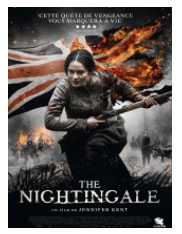
The Nightingale
Synopsis
Note: Australian original release year is 2018 / International release 2021. Set in the rugged wilderness of Van Diemen's Land (modern Tasmania) in 1825 during the height of the British colonial penal colony, a young Irish convict woman named Clare seeks bloody vengeance. After a sadistic British officer and his soldiers commit an unspeakable act of violence by murdering her husband and infant daughter, Clare is left for dead. Refusing to let the crime go unpunished, she hires an indigenous Tasmanian tracker named Billy to guide her through the hostile, unforgiving bushland to track down the soldiers. As the unlikely pair journey across the brutal colonial landscape, they form a profound bond of shared trauma and survival. Ultimately, this unflinching historical revenge drama explores racism, imperialism, and human resilience.
The Making of the Film
Acclaimed writer-director Jennifer Kent followed up her breakout horror masterpiece The Babadook with an uncompromising, visceral historical revenge drama set in colonial Australia. The project was conceived as an intense exploration of British imperialism, racial violence, and the psychological scars of trauma. Kent spent years conducting rigorous historical research into the brutal penal colony system and the genocide of Indigenous Tasmanians. The production prioritized authentic 1925 period textures, remote Tasmanian wilderness locations, and raw, uncompromising performances.
Critical Reception
Critics offered widespread critical acclaim upon release, praising its uncompromising emotional power, breathtaking cinematography, and stellar lead performances. Reviewers lauded Jennifer Kent for directing a brutal historical drama that possessed the gripping intensity of a psychological thriller. The performances of Aisling Franciosi and Baykali Ganambarr received universal acclaim for embodying trauma and dignity with heartbreaking authenticity. It established itself instantly as a towering triumph of modern historical cinema.
Audiences were deeply shocked, captivated, and emotionally staggered by the unflinching brutality and profound humanity of the frontier revenge tale. Viewers at international film festivals commended the stunning natural cinematography and the powerful exploration of cross-cultural solidarity between an Irish convict and an Indigenous tracker. It became a critical darling worldwide, resonating strongly with cinephiles seeking uncompromising historical dramas. Many praised its courage in exposing the dark, bloody roots of Australian colonization.
The Nightingale won the Special Jury Prize at the Venice International Film Festival, alongside numerous awards for best direction and acting at global showcases. Its acclaim centered primarily on Jennifer Kent's visionary directing and the breakthrough performances of Aisling Franciosi and Baykali Ganambarr. The film's sound design and cinematography received high praise from film critics associations. These prestigious accolades cemented its legacy as an unforgettable masterpiece of modern historical cinema.
Behind-the-Scenes Stories
Jennifer Kent was heavily inspired by the desire to examine how historical violence and systemic racism continue to echo across generations, refusing to shy away from the bloody reality of British colonization. She wanted to tell a story of cross-cultural empathy where two marginalized individuals find common ground against a common oppressor. The visual style utilized natural sunlight, dense eucalyptus forests, box-shaped 4:3 aspect ratios to mirror the characters' claustrophobia, and stark period costumes. The director also worked closely with Tasmanian Aboriginal elders to ensure cultural respect and historical accuracy.
Shooting on location across the remote, rugged wilderness of Tasmania presented extreme physical and weather challenges for the cast and crew. The actors braved freezing rain, dense mud, and isolated forest terrain to achieve absolute frontier realism. Aisling Franciosi subjected herself to grueling emotional and physical preparation to portray Clare's devastating trauma. Despite the dark, heavy subject matter, the cast and crew maintained a deeply respectful and collaborative environment on set.
During the filming of the harrowing assault and revenge sequences, Aisling Franciosi and Baykali Ganambarr maintained intense emotional focus to convey authentic trauma and healing. Sam Claflin brought chilling, unrepentant cruelty to his role as the sadistic British officer. Crew members reported feeling profoundly moved by the quiet, soulful moments of connection between the two leads. The profound dedication of the actors gave the historical drama its unforgettable emotional resonance.
Casting directors secured an exhaustive global search to find actors who could carry the heavy emotional and physical demands of the frontier epic. Aisling Franciosi was secured for the lead role of Clare, delivering a staggering breakout performance. Baykali Ganambarr was cast as the Indigenous tracker Billy, bringing immense dignity and grace to his feature debut. Sam Claflin rounded out the cast as the villainous Lieutenant Hawkins.
Themes Explored
The film heavily explores the horrors of British imperialism, penal colony brutality, and the genocide of Indigenous Tasmanians. It examines the cycle of violence, trauma, and the cathartic myth of revenge. Another core motif is cross-cultural solidarity and shared humanity between oppressed peoples. It also touches upon racism, survival, and moral redemption.
Ending Explained
The film concludes with Clare finally catching up to the sadistic officer and participating in his execution, choosing not to become a monster herself in the final moments while finding a fragile measure of peace. Severing her ties to vengeance, she shares a quiet, profoundly moving moment of connection with Billy on the shores of Tasmania as the sun rises. The final haunting shots show them resting together under the open sky, symbolizing mutual survival and spiritual release. This powerful finish rejects hollow revenge in favor of human connection and healing.
Meaning of the Title
The title refers literally and metaphorically to the protagonist Clare, who is known for her beautiful Irish singing voice, earning her the nickname 'The Nightingale' of the penal colony. It evokes a fragile songbird thrust into a brutal, bloody cage of colonial violence. The poetic phrasing sets a haunting, tragic tone for the historical drama. It encapsulates the gentle human spirit surviving inside an apocalyptic wilderness.
Similar films include The Proposition, The Revenant, Bone Tomahawk, and Meek's Cutoff, which feature brutal frontier survival, historical revenge, and colonial wilderness settings.