

 Français
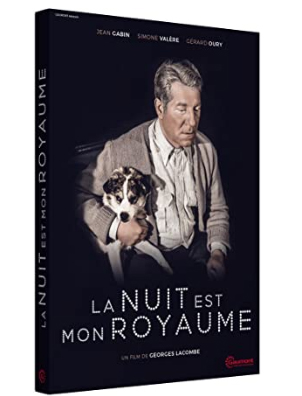
The Night Is My Kingdom
Synopsis
A proud French railway locomotive driver suffers a sudden, catastrophic workplace accident that leaves him permanently blind. Plunged into sudden darkness, he struggles with bitter despair, loss of masculine pride, and isolation from his former life. Admitted to a specialized rehabilitation center for the blind, he meets other patients and a dedicated teacher who help him learn tactile trades and emotional acceptance. Through patience and courage, he discovers a renewed sense of dignity and purpose.
The Making of the Film
Director Georges Lacombe sought to bring Francis Ambrière's acclaimed source material and true rehabilitation accounts to the silver screen with profound psychological sensitivity. Producers collaborated closely with specialized Parisian institutes for the blind to ensure authentic representation of daily rehabilitation methods and tactile education. The production utilized striking monochromatic cinematography to emphasize the stark contrast between light and sensory darkness. Jean Gabin was cast in the grueling lead role, delivering a deeply vulnerable performance that departed from his usual tough-guy persona. The filmmakers aimed to craft an empathetic portrait of disability recovery.
Critical Reception
Critics offered generally favorable reviews, praising Jean Gabin's powerhouse, nuanced lead performance and the film's dignified handling of sensory disability. Reviewers noted that unlike melodramatic tearjerkers, the film approached blindness with restrained emotional realism and social respect. Audiences in France responded warmly to Gabin's moving portrayal and the film's message of perseverance. Jean Gabin earned the prestigious Volpi Cup for Best Actor at the Venice Film Festival. It remains a celebrated classic of post-war French cinema.
Behind-the-Scenes Stories
Georges Lacombe drew visual inspiration from classic French poetic realism and documentary rehabilitation footage. Jean Gabin spent weeks visiting blind rehabilitation centers in Paris, blindfolding himself for hours to master tactile cane navigation and spatial awareness. During filming, special lighting setups were adjusted to reflect the protagonist's transition from psychological darkness to acceptance. The supporting cast included several real-life visually impaired individuals to enhance authenticity.
Themes Explored
The narrative explores sudden disability adaptation, loss of professional identity, masculine pride, and emotional rehabilitation. It examines how human dignity transcends physical sensory loss through community support. Furthermore, it highlights the transformative power of education and patience.
Ending Explained
Lucien masters braille and woodworking at the center, reconciling with his blindness and embracing a hopeful future alongside those who supported his recovery. The final cinematic moments show him walking confidently with his cane, possessing inner peace and self-reliance. A serene, uplifting sense of closure concludes the film.
Meaning of the Title
The title reflects the psychological internal world of the blind protagonist, symbolizing how darkness becomes a realm of sensory mastery and resilience.
Other classic French rehabilitation and human drama films such as The Human Beast and Le Quai des Brumes.