

 Français
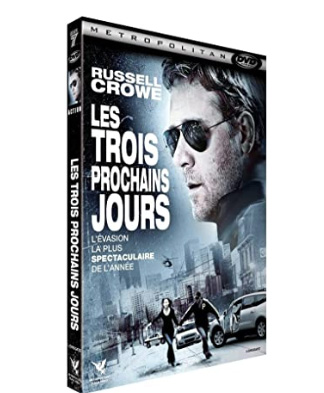
The Next Three Days
Synopsis
John Brennan lives a quiet, happy suburban life with his beloved wife Lara and their young son until police burst into their home and arrest Lara for a brutal murder she insists she did not commit. Three years later, after all legal appeals have failed and Lara attempts suicide inside prison from despair, John realizes he is her only remaining hope. A mild-mannered college professor with zero criminal experience, John meticulously plots an impossible prison breakout, consulting an ex-con author and forging passports. As transfer papers threaten to move Lara to a maximum-security prison in three days, John must execute a high-stakes, breathless escape plan.
The Making of the Film
Written and directed by Paul Haggis, the film was adapted from Fred Cavayé's 2008 acclaimed French thriller Anything for Her. Haggis sought to transform the tense European thriller into an American urban drama exploring how far a ordinary husband will go to save his wrongly accused wife. The production focused heavily on meticulous logistical planning, realistic escape tradecraft, and emotional marital stakes. Russell Crowe was cast as the desperate professor, bringing grounded grit to the thriller.
Critical Reception
Critical reception for the film was generally mixed, with reviewers praising its rising suspense, grounded premise, and Russell Crowe's strong, sympathetic lead performance. However, some critics felt the middle act pacing lagged and the escape logistics strained plausibility. Audiences offered a modest box office response in theaters, though it performed profitably worldwide on home video. It is remembered as a solid, suspenseful thriller.
Behind-the-Scenes Stories
Russell Crowe performed many of his own physical running and prison-break stunts on location in Pittsburgh, Pennsylvania. Director Paul Haggis consulted real criminal defense attorneys and former prison escapees to ensure John's logistical methods appeared plausible on screen. Olivia Wilde brought emotional weight to her role as a fellow prisoner. The production utilized authentic Pittsburgh jail exteriors and urban transit systems to heighten realism.
Themes Explored
The film explores marital devotion, wrongful conviction, absolute trust, and breaking the law for love. It highlights ordinary men pushed into extraordinary criminal desperation. Prison escape tradecraft drives the suspenseful plot. It also touches upon justice versus familial loyalty.
Ending Explained
John successfully executes the elaborate prison break, dodging city-wide police roadblocks and smuggling Lara and their son onto a train bound for freedom. As police search their abandoned motel room, forensic clues leave lingering ambiguity over whether Lara truly committed the murder years ago or was genuinely innocent. However, John and his family successfully escape to Venezuela, reunited and living safely on a tropical beach. The conclusion provides a thrilling, morally ambiguous resolution to the escape.
Meaning of the Title
The title refers directly to the ticking-clock countdown of the final seventy-two hours John has before his wife is transferred to a maximum-security prison, making escape impossible. It symbolizes urgency and finality. The phrase sets a tense thriller tone.
Danny Elfman composed a driving, suspenseful orchestral and electronic score that amplified the ticking-clock tension of the escape.
The Fugitive, Taken, Escape Plan, Nick of Time