

 Français
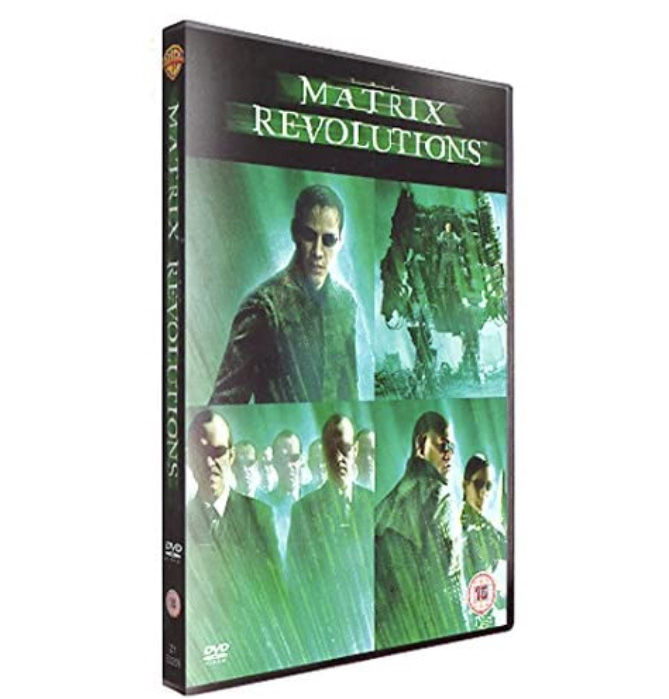
The Matrix Revolutions
Synopsis
The final chapter of the epic sci-fi saga finds the human city of Zion under direct, devastating siege by millions of machine sentinels digging through the earth. Blinded and trapped in a transit station between the real world and the machine city, Neo must find a way to cross over to the heart of the machine mainframe. Meanwhile, the rogue program Agent Smith absorbs humanity and machines alike, threatening to destroy both worlds entirely. Neo engages in a cataclysmic final duel to determine the fate of all existence.
The Making of the Film
Filmmakers Lilly and Lana Wachowski concluded their epic sci-fi trilogy with this final installment, shot simultaneously alongside the second film to ensure seamless narrative continuity. The inspiration stemmed from grand mythological tropes, religious apocalypse themes, and the ultimate resolution of cyberpunk philosophical dilemmas. The production team aimed to deliver a visually overwhelming spectacle that matched the high stakes of humanity's final stand. The script focused heavily on sacrifice, peace agreements, and the ultimate balance of power.
Critical and Reception
Professional critics gave mixed reviews, praising the massive scale of the visual effects and action set pieces while feeling the philosophical narrative became overly convoluted. Audiences turned the film into a major global box-office success, eager to witness the conclusion of the iconic trilogy. Viewers appreciated the epic mecha-suit battle scenes in Zion and the rainy final showdown against Agent Smith. The movie cemented the franchise's status as a defining cultural milestone of the 2000s.
Filming Anecdotes
Directors Lilly and Lana Wachowski drew inspiration from classic mythology, apocalyptic literature, and massive war strategy epics. Production faced exhausting physical and technical demands as the cast and crew completed months of continuous back-to-back shooting schedules. During the filming of the epic rain battle between Neo and Agent Smith, the actors spent weeks enduring freezing water rig conditions on elaborate outdoor soundstages. The studio provided extensive digital effects support to render the massive machine city and sentinel swarms.
Themes Explored
The film explores peace through compromise, self-sacrifice, ultimate duality, and the coexistence of humans and machines. It examines whether conflict is an inescapable law of existence or if balance can be achieved. Faith and destiny drive Neo's willingness to sacrifice his life for the greater good. Additionally, free will triumphs over predetermined system loops.
Explanation of the Ending
The narrative concludes with Neo sacrificing his physical body to allow the machine mainframe to purge the rogue Agent Smith program, effectively saving both Zion and the Matrix. Honoring their truce, the machines halt their assault on Zion, bringing a lasting peace to humanity and allowing humans to leave the simulation freely if they choose. The Oracle and the Architect meet in a restored sunrise park, acknowledging that peace will last as long as possible. The resolution provides a mythic, transcendent conclusion to the epic saga.
Meaning of the Title
The title signifies the ultimate systemic revolution, turning point, and cyclical uprising that overturns the centuries-old war between humanity and machines. It highlights sweeping global changes and martial uprisings across both the digital and real worlds. The name creates a dramatic and definitive conclusion for the blockbuster trilogy. It captures the epochal shift of the narrative.
Original Soundtrack
The film features a grand and operatic musical score composed by Don Davis, blending heavy orchestral arrangements with spiritual choral themes. The epic compositions elevate the emotional weight of humanity's final stand and Neo's sacrificial journey. The music seamlessly integrates electronic elements with classical choir pieces to match the cyberpunk aesthetic. Critics and fans widely praise the soundtrack for delivering a majestic and fitting conclusion to the trilogy.
There are no recent major developments or active news items regarding this film.