

 Français
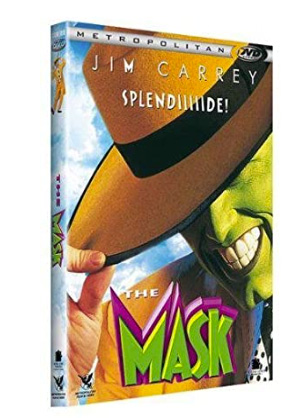
The Mask
Synopsis
Stanley Ipkiss is a shy and frustrated bank employee whose life changes when he discovers an ancient mask with mysterious powers. Whenever he puts it on, he transforms into an energetic and mischievous character capable of extraordinary physical feats. The new personality gives him the confidence to pursue Tina Carlyle, a beautiful woman connected to a dangerous nightclub owner. However, the mask also attracts the attention of criminals and the police. Stanley must learn to control its powers before his new identity destroys the life he has always wanted to improve.
The Making of the Film
The Mask was directed by Chuck Russell and inspired by the comic book series created by Mike Richardson and published by Dark Horse Comics. The original comics had a much darker tone, but the filmmakers chose to develop a lighter fantasy comedy suited to a broad audience. Screenwriter Mike Werb helped transform the violent comic premise into a story centred on an ordinary man discovering extraordinary confidence. Jim Carrey was cast as Stanley Ipkiss, a role that allowed him to showcase his expressive face, physical comedy and improvisational energy. Cameron Diaz made her feature-film debut as Tina Carlyle, bringing a glamorous presence to the story. The production relied heavily on visual effects to create the exaggerated movements and transformations of the masked character. Industrial Light & Magic developed many of the film's most memorable digital sequences. The filmmakers also drew inspiration from classic cartoon characters, particularly the elastic physical comedy of animated stars. The result combined live-action performances with a deliberately cartoon-like visual style. The Mask became a major success and helped establish Jim Carrey as one of Hollywood's leading comic actors.
Critical Reception
Professional critical response: The Mask received generally positive reviews, particularly for Jim Carrey's performance. Critics praised his extraordinary physical energy and his ability to reproduce the exaggerated movements of classic animation. The visual effects were also widely recognised as a major achievement. Some reviewers considered the romantic storyline relatively conventional, but many appreciated the film's imaginative comedy and distinctive style. Cameron Diaz's screen presence attracted considerable attention despite this being her first major film role.
Audience reception: The film was a major box-office success and became one of the most popular comedies of the 1990s. Audiences responded enthusiastically to its combination of fantasy, slapstick and romance. Jim Carrey's performance made the character instantly recognisable and helped create a lasting pop-culture icon. The film also attracted younger viewers through its cartoon-like action and colourful visual effects. Its popularity continued through television broadcasts, home video and later generations of viewers.
Awards and recognition: The Mask received an Academy Award nomination for Best Visual Effects, recognising its innovative digital work. Jim Carrey received several awards and nominations for his comic performance, including recognition from popular entertainment ceremonies. Cameron Diaz also attracted attention as a promising newcomer. The film's technical achievements were particularly important because they demonstrated how computer-generated imagery could support physical comedy. Its influence on fantasy comedy and visual effects remained significant throughout the following years.
Behind-the-Scenes Stories
Director's inspirations: Chuck Russell wanted to transform the darker comic-book concept into a playful fantasy that could appeal to a wide audience. He drew inspiration from classic cartoons and the exaggerated physical comedy of performers such as Tex Avery's animated characters. Jim Carrey's talent for improvisation made it possible to translate those influences into live action. The director also wanted the mask to represent the uninhibited personality hidden beneath Stanley's timid exterior.
Production challenges: The visual effects presented a major technical challenge because the masked character frequently behaves in ways that defy normal physical laws. The production combined practical effects, digital animation and Jim Carrey's physical performance. The effects team had to ensure that the transformations appeared integrated with the live-action environment. The choreography also required precise timing so that the comic movements and digital additions worked together naturally.
A memorable scene: The musical sequence in which the Mask performs an extravagant dance with Tina is one of the film's most recognisable moments. It combines live-action choreography with cartoon-like movements and visual exaggeration. The sequence demonstrates how the mask allows Stanley to express a confidence he cannot normally access. Its playful style also reveals the film's debt to classic animation and musical comedy.
Originally considered casting: Jim Carrey was ultimately selected for the central role because of his exceptional physical comedy and expressive performance style. Cameron Diaz was discovered during the casting process and made her feature-film debut as Tina Carlyle. Peter Riegert played Lieutenant Kellaway, while Peter Greene portrayed the antagonist Dorian Tyrell. The final cast combined experienced performers with a newcomer whose screen presence became one of the film's major attractions.
Themes Explored
The Mask explores identity, confidence, repression and the difference between outward appearance and inner personality. Stanley is initially unable to express his desires because he is constrained by fear and social expectations. The mask gives him freedom, but it also amplifies his impulses and removes many of the limits that normally guide his behaviour. The story asks whether confidence can become dangerous when it is separated from responsibility. It also explores the idea that people often hide their most energetic and creative qualities beneath a timid public image. Love and self-acceptance ultimately become more important than the supernatural powers themselves.
Explaining the Ending
Stanley eventually defeats Dorian Tyrell, who has used the mask to become a dangerous and destructive version of himself. The mask is removed from the criminal and its influence over the city comes to an end. Stanley learns that he does not need supernatural powers to express his true feelings or to become more confident. His relationship with Tina develops because she recognises the person beneath his ordinary appearance. The final moments show Stanley considering whether to keep the mask, but he ultimately lets it go. This decision suggests that genuine personal growth comes from accepting oneself rather than relying on an artificial identity. The film ends with a romantic and comic resolution, while leaving open the possibility that the mask could influence someone else in the future.
The Meaning of the Title
The title The Mask refers to the mysterious object that transforms Stanley Ipkiss into an exaggerated and powerful personality. It also carries a metaphorical meaning, since people often hide their real feelings behind a social mask. Stanley's transformation reveals desires and confidence that he normally suppresses. The title therefore refers both to the magical object and to the broader question of identity, self-expression and the difference between appearance and reality.
The soundtrack features an energetic mixture of swing, jazz, big-band arrangements and contemporary popular music. Randy Edelman composed the original score, which supports the film's cartoon-like humour and romantic moments. The music helps create the exaggerated atmosphere associated with Stanley's transformation. Its mixture of musical styles reflects the film's combination of classic Hollywood comedy and modern fantasy.
Similar films include Who Framed Roger Rabbit, directed by Robert Zemeckis, which combines live action and cartoon characters; Liar Liar, starring Jim Carrey and directed by Tom Shadyac, which explores magical changes in behaviour; Bruce Almighty, also starring Jim Carrey, which gives an ordinary man extraordinary powers; and Beetlejuice, directed by Tim Burton, which combines fantasy, visual invention and dark comedy.