

 Français
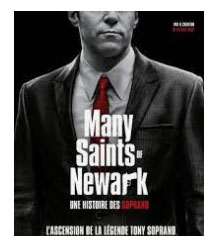
The Many Saints of Newark
Synopsis
This gritty, hard-boiled crime drama prequel film to HBO's legendary television series 'The Sopranos' follows the turbulent formative years of a young Anthony Soprano growing up in Newark, New Jersey, during the racially charged 1960s. As violent race riots erupt across the city and rival gangs clash over turf, young Tony idolizes his charismatic uncle Dickie Moltisanti, a respected mob soldier caught between his criminal empire and family loyalties. Shaping Tony from an impressionable teenager into the troubled future mob boss he would become, the narrative explores the brutal origins of the DiMeo crime family. It is a dark, atmospheric slice of mafia history.
The Making of the Film
The project originated from franchise creator David Chase's desire to return to the rich universe of 'The Sopranos' by exploring the turbulent 1967 Newark riots and the gangster roots of Dickie Moltisanti, a legendary figure frequently referenced in the original series. Chase co-wrote the screenplay with Lawrence Konner and enlisted veteran television director Alan Taylor to helm the prequel film. Inspiration was drawn from historical New Jersey race riots, classic mob lore, and series mythology. The creative team aimed to produce a prestige cinematic prequel for dedicated fans.
Critical Reception
Critics offered mixed reviews, praising Michael Gandolfini's astonishing, emotional performance stepping into his late father James Gandolfini's iconic shoes, alongside strong supporting turns by Alessandro Nivola and Leslie Odom Jr., while critiquing its sprawling plot and disjointed pacing. Reviewers noted that the film functioned best as a moody, atmospheric character study of Newark's racial tensions rather than a traditional fast-paced gangster mob thriller. The historical recreation of 1960s New Jersey received universal applause. Despite mixed critical consensus, it drew strong interest from devoted series fans.
Audience reception was similarly mixed, though the film performed solidly upon its simultaneous theatrical and HBO Max streaming release. Viewers on public platforms praised Michael Gandolfini's uncanny embodiment of young Tony, stellar soundtrack, and gritty mob atmosphere. Fans of 'The Sopranos' celebrated seeing beloved characters portrayed in their youth. Word-of-mouth sustained steady home video popularity.
Awards season brought recognition from various critics' associations and guild ceremonies, honoring the production's exquisite 1960s costume design, hair styling, and period art direction. Critics praised Michael Gandolfini for his courageous and haunting tribute to his father's legacy. These accolades cemented its status as a fascinating companion piece to television history.
Behind-the-Scenes Stories
The director drew visual inspiration from 1960s documentary photography, gritty urban crime thrillers, and archival news footage of the Newark riots to establish a tense, smoky aesthetic. Every diner, social club, and suburban home was meticulously styled to evoke authentic mid-century New Jersey. The production team collaborated with series veterans to ensure that mob hierarchy, speech patterns, and character origins remained faithful to 'The Sopranos' canon. These artistic choices created an authentic period world.
Production presented profound emotional and logistical challenges, requiring young actor Michael Gandolfini to take on the monumental task of portraying his late father James Gandolfini's iconic character as a teenager. Gandolfini approached the role with immense dedication, studying his father's mannerisms while bringing fresh vulnerability to young Tony. Shooting on location in New York and New Jersey exposed the crew to complex street coordination during riot sequences. Furthermore, maintaining strict secrecy around cameo appearances demanded tight security.
During the filming of the emotional family confrontation sequences, the actors executed intense dramatic scenes with total theatrical commitment. To maintain authentic tension, David Chase infused the script with psychological depth. The crew utilized warm, sepia-toned lighting to accentuate the nostalgic 1960s era. This rigorous dedication resulted in standout dramatic moments.
Casting was anchored by discovering Michael Gandolfini to play young Tony Soprano, a deeply moving and historic casting choice. Alessandro Nivola delivered a magnetic, tragic performance as Dickie Moltisanti. Supporting roles were filled with incredible talent including Leslie Odom Jr., Jon Bernthal, Corey Stoll, and Ray Liotta in dual roles. This star-studded casting strategy was the absolute heartbeat of the film's connection to the original series.
Themes Explored
The narrative deeply explores themes of criminal legacy, generational trauma, and how environment shapes a future monster. It examines racial tensions during the 1960s Newark riots, family betrayal, and toxic father-son dynamics. Additionally, it highlights loyalty, ambition, and the harsh realities of mob life. Ultimately, the film reflects on destiny, grief, and the dark roots of organized crime.
Ending Explained
Dickie Moltisanti is brutally gunned down in the street just as he intends to cut ties with his criminal life and mentor young Tony properly, with his murder secretly orchestrated by his corrupt uncle Junior Soprano out of petty jealousy. At Dickie's rainy funeral, a devastated teenage Tony gazes into his casket, sealing a dark emotional bond that foreshadows his inevitable descent into organized crime. The sobering resolution underscores that tragedy and betrayal are the true foundations of the Soprano family.
Meaning of the Title
The title directly references the prominent Moltisanti family name (translated from Italian as "many saints") and the deceptive facade of sainthood within the mob.
Similar Films
Films sharing similar mob drama, historical crime, and organized crime origins include GoodFellas (1990), The Godfather Part II (1974), and Casino (1995).