

 Français
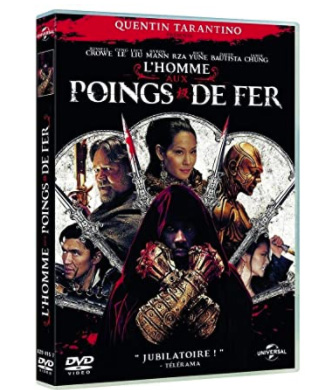
The Man with the Iron Fists
Synopsis
In 19th-century China, a gentle blacksmith who crafts weapons for various warring clans finds himself caught in the middle of a bloody power struggle when local warlords seek control of a stolen imperial gold shipment. Forced to protect his adopted village and the woman he loves, the blacksmith undergoes a brutal transformation, forging deadly metallic armor and weapons for his own body. Teaming up with mysterious assassins, martial arts warriors, and an undercover British agent, he leads a ferocious defense against corrupt forces. This stylish martial arts action film pays homage to classic Shaw Brothers cinema.
The Making of the Film
The concept for The Man with the Iron Fists was conceived by hip-hop artist and Wu-Tang Clan co-founder RZA, who co-wrote, directed, and scored the film out of a lifelong obsession with classic kung fu cinema. Producer Eli Roth helped bring RZA's vision to life, encouraging him to blend traditional martial arts tropes with modern hip-hop sensibilities, spaghetti western styling, and graphic novel aesthetics. The storyline was inspired by classic martial arts folklore, grindhouse cinema, and the legendary collaborative storytelling spirit of the Wu-Tang universe. The production team aimed to create a vibrant, blood-soaked love letter to 1970s kung fu movies.
Critical Reception
Professional critics gave mixed reviews to The Man with the Iron Fists, praising its wildly energetic action choreography, creative visual style, and eclectic soundtrack while criticizing its thin plot and excessive violence. Reviewers noted that while RZA's directorial debut showed immense passion and stylistic flair, the narrative structure struggled under the weight of too many intersecting character arcs. The public response was polarized; general audiences found the non-stop martial arts action entertaining, while die-hard kung fu and Wu-Tang fans embraced it as a fun cult throwback. The film performed moderately at the box office and found a dedicated following on home video.
Filming Anecdotes
RZA drew heavy inspiration from classic Shaw Brothers kung fu films, Quentin Tarantino movies, and classic westerns to establish a unique genre-blending aesthetic. Production took place primarily in China, utilizing massive soundstages and collaborating with legendary martial arts stunt coordinators to craft elaborate wire-fu fight sequences. During the filming of the intricate blacksmith and combat scenes, RZA worked closely with veteran action stars like Russell Crowe and Lucy Liu to execute stylized choreography. Before principal photography began, RZA spent years studying film direction and storyboarding every fight sequence himself.
Main Themes
The film explores themes of redemption, honor, greed, and the corrupting influence of power and stolen wealth. It examines how a peaceful man can be driven to take up arms to defend his community against tyranny. Furthermore, it celebrates loyalty and martial arts mastery.
Ending Explanation
The climax resolves the bloody territorial war as the blacksmith utilizes his newly forged iron fist prosthetics and martial arts skills to defeat the remaining tyrannical clan leaders in a brutal showdown. With the corrupt warlords eliminated and the stolen gold accounted for, peace is restored to the battered jungle village. The blacksmith bids farewell to his old life, walking away as a protector of the innocent rather than a mere weapon maker. The film concludes on a triumphant, stylish note celebrating his transformation into a true hero.
Title Significance
The title directly describes the protagonist's literal transformation as he welds metallic armor and iron weapons onto his arms to become an unstoppable martial arts warrior.
The film features a phenomenal, high-energy musical soundtrack curated and produced by RZA, blending classic soul samples with gritty hip-hop beats that drive the martial arts action.
NULL
Kill Bill, Enter the Dragon, 13 Assassins, Fist of Fury