

 Français
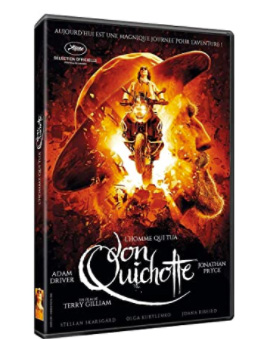
The Man Who Killed Don Quixote
Synopsis
An eccentric elderly Spanish shoemaker who believes he is Don Quixote mistakes a cynical advertising executive for his faithful squire, Sancho Panza. Together, they embark on a surreal and chaotic journey across rural Spain that blurs the lines between reality and wild fantasy. Along the way, the executive is forced to confront his own past choices, lost ideals, and moral compromises. The adventure spirals into an unforgettable exploration of art, madness, and the enduring power of imagination.
The Making of the Film
Director Terry Gilliam famously spent nearly three decades trying to bring his passion project to the screen, facing a legendary series of financial, legal, and health-related disasters. The long and troubled history of the production even inspired a celebrated documentary film detailing its initial collapse in the year 2000. Gilliam's inspiration was drawn directly from Miguel de Cervantes' immortal literary masterpiece, infusing the classic tale with his own signature surrealist visual style. The core concept evolved over many years, shifting from a literal period adaptation into a meta-narrative about the toll that filmmaking and lost dreams take on an artist.
Critical Reception and Reviews
Critics offered a mixed but largely fascinated response, praising the film's boundless visual imagination, chaotic energy, and the committed performances of its lead actors. Reviewers noted that while the narrative could feel disjointed and messy, it perfectly mirrored the frantic and obsessive nature of its director's decades-long struggle. Some mainstream critics found the whimsical tone exhausting, whereas festival audiences celebrated it as a triumphant monument to cinematic perseverance. The general public reception was divided, with die-hard fans of Gilliam appreciating the eccentric voyage while casual viewers struggled with its bizarre pacing. Despite the tumultuous journey to completion, the film received recognition at various international film festivals for its sheer audacity and artistic vision.
Filming Anecdotes
Terry Gilliam drew vast inspiration from classic Spanish art, literature, and his own lifelong obsession with the themes of illusion versus reality. Production was plagued by extreme weather conditions, budget constraints, and logistical nightmares in the scorching landscapes of Spain. During the filming of a pivotal wind-swept confrontation scene, sudden equipment failures forced the crew to improvise on the spot, resulting in a delightfully authentic sense of chaos. Johnny Depp was originally attached to star in the lead role during the doomed 2000 attempt before the project was finally resurrected years later with Adam Driver and Jonathan Pryce.
Themes Explored
The central themes revolve around madness versus sanity, the transformative power of art, and the conflict between corporate cynicism and pure imagination. It also examines the burden of legacy and how past ambitions shape present reality.
The conclusion blurs fantasy and reality entirely as the protagonist embraces his inner knight, leading his squire to accept the beauty of delusion over the harshness of a disillusioned life.
The title plays on the paradoxical nature of the story, where trying to destroy a myth or a delusion ultimately forces the protagonist to live through it.
The film finally premiered at the Cannes Film Festival, marking the emotional end of one of cinema's most famous development hells.
Fear and Loathing in Las Vegas, Brazil, The Adventures of Baron Munchausen