

 Français
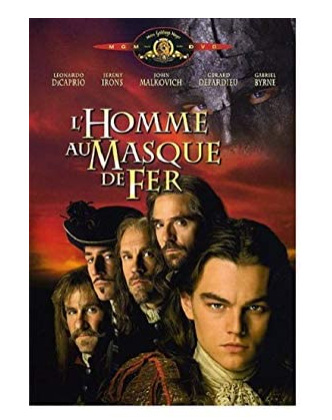
The Man in the Iron Mask
Synopsis
In seventeenth-century France, King Louis XIV rules with cruelty while the country suffers from poverty and political instability. The aging musketeers discover that a mysterious prisoner is being held behind an iron mask. They gradually uncover a secret involving the king's identical twin brother, Philippe. Determined to restore justice, the former companions develop a dangerous plan to replace the tyrannical monarch with his more compassionate sibling.
The Film's Origins
The Man in the Iron Mask is based on the final part of Alexandre Dumas's historical novel The Vicomte of Bragelonne, published between 1847 and 1850. The story draws upon the historical mystery surrounding a prisoner whose identity was concealed behind a mask during the reign of Louis XIV. Dumas transformed this historical legend into a dramatic narrative involving royal secrets, political intrigue and the legendary Three Musketeers. Screenwriter and director Randall Wallace adapted the material for a contemporary audience, concentrating on the moral conflict between loyalty and justice. The filmmakers wanted to create a large-scale historical adventure with strong emotional relationships between the characters. Leonardo DiCaprio was cast in the dual role of Louis XIV and Philippe, offering an opportunity to explore contrasting personalities within the same performance. The production also brought together several established actors to portray the aging musketeers. The result combined elements of historical fiction, literary adaptation and Hollywood adventure cinema.
Critical Reception
Professional reviews: Critics generally offered mixed reactions to the film's historical interpretation and dramatic approach. Leonardo DiCaprio's double performance attracted considerable attention, with some reviewers appreciating the contrast between the two brothers. The supporting performances of Jeremy Irons, John Malkovich and Gérard Depardieu were also recognised. However, several critics considered the screenplay melodramatic and questioned its historical liberties. The production design and costumes received more consistently positive attention.
Audience reception: The film performed successfully at the international box office and attracted audiences interested in historical adventures. Its combination of familiar literary characters, royal intrigue and spectacular production values proved commercially appealing. Leonardo DiCaprio's popularity also contributed to public interest in the release. The film subsequently developed a following among viewers who enjoy traditional historical adventure stories.
Awards: The production received several industry nominations and awards for its technical and musical achievements. Nick Glennie-Smith won an ASCAP Award in 1999 for Top Box Office Films. The costume design also received recognition from the Costume Designers Guild. Gérard Depardieu received attention from the European Film Awards. Although the film was not universally praised by critics, its production design and soundtrack received notable recognition.
Behind-the-Scenes Stories
Director's inspirations: Randall Wallace drew inspiration from Alexandre Dumas's original novel and the historical legends surrounding the mysterious prisoner. He wanted to emphasise the moral conflict between the authority of the monarchy and the responsibilities of friendship. The director also focused on the relationship between the aging musketeers and their shared history. This approach gave the adventure a more reflective tone than many conventional historical action films.
Production difficulties: The production required elaborate historical costumes, large sets and carefully designed palace interiors. The filmmakers also had to distinguish between Leonardo DiCaprio's two characters through their posture, expressions and behaviour. The large ensemble cast created additional coordination challenges, particularly during the group action sequences. Recreating seventeenth-century France required extensive attention to historical atmosphere, even though the screenplay took considerable liberties with actual events.
A memorable scene: One of the most memorable sequences involves the revelation that Philippe is the king's identical twin brother. The discovery changes the political situation and introduces a moral dilemma for the musketeers. Another striking moment occurs when Philippe is forced to wear the iron mask, symbolising the complete destruction of his personal freedom. The visual contrast between the luxurious royal court and the prisoner's confinement reinforces the film's central conflict.
Original casting choices: Leonardo DiCaprio was selected to play both Louis XIV and Philippe, allowing the film to build its central mystery around his performance. Jeremy Irons portrayed Aramis, John Malkovich played Athos and Gérard Depardieu appeared as Porthos. Gabriel Byrne was cast as D'Artagnan, completing the group of veteran musketeers. The ensemble brought together actors with very different performance styles, creating a distinctive combination of humour, drama and adventure.
Themes Explored
The Man in the Iron Mask examines power, responsibility and the moral limits of political authority. Louis XIV represents the dangers of absolute monarchy when power is separated from compassion. Philippe symbolises the possibility of a more humane form of leadership. The musketeers must confront the conflict between loyalty to their former king and their responsibility to the people. Friendship, honour and sacrifice are central to their decision. The story also explores identity through the existence of two physically identical brothers with radically different personalities. Imprisonment becomes both a literal condition and a metaphor for the loss of personal freedom. The film questions whether a ruler deserves loyalty simply because of inherited authority. Ultimately, it presents justice as a moral responsibility that can require resistance against established power.
Ending Explained
The final confrontation revolves around the attempt to replace Louis XIV with his twin brother Philippe. The musketeers manage to expose the king's cruelty and protect Philippe from his confinement. However, the plan requires enormous personal sacrifices, particularly from those who have served the monarchy for many years. D'Artagnan's loyalty to Louis is tested by the revelation that Philippe represents a more compassionate alternative. The story ultimately resolves the conflict through the triumph of the more humane brother. The iron mask, which once represented Philippe's imprisonment, becomes a symbol of the injustice committed against him. The surviving musketeers are able to see the possibility of a better future for France. The ending emphasises that genuine leadership should be based on responsibility rather than fear. It also brings the long friendship between the musketeers to an emotional conclusion.
Meaning of the Title
The title The Man in the Iron Mask refers to Philippe, the prisoner whose identity is concealed by a heavy metal mask. The image originates from the historical legend of an anonymous prisoner associated with the reign of Louis XIV. In the film, the mask represents the suppression of identity and the abuse of royal power. Philippe is denied his freedom because his existence threatens the king's authority. The title therefore introduces the central mystery while emphasising the human consequences of political secrecy. It also symbolises the difference between the public image of a monarch and the private suffering hidden behind royal splendour.
Nick Glennie-Smith composed the original score, creating a sweeping orchestral soundtrack that reinforces the film's historical and emotional atmosphere. The music combines heroic themes with more intimate passages reflecting the relationships between the musketeers. Its dramatic orchestration supports the large-scale action sequences and the emotional conflicts surrounding Philippe and Louis. The soundtrack received an ASCAP Award in 1999 for Top Box Office Films. It remains one of the production's most recognised technical contributions.
Viewers interested in The Man in the Iron Mask may enjoy The Three Musketeers, another adaptation of Alexandre Dumas's adventure literature. The Count of Monte Cristo explores revenge, imprisonment and moral transformation. Elizabeth offers another historical drama involving royal power and political intrigue. Braveheart combines historical adventure with questions of freedom, loyalty and resistance against oppression.