

 Français
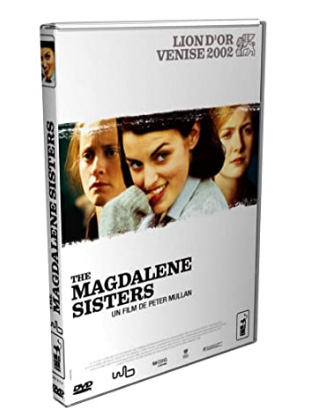
The Magdalene Sisters
Synopsis
Set in Ireland during the 1960s, this harrowing historical drama follows four young women—Rose, Bernadette, Margaret, and Crisina—who are arbitrarily imprisoned by their families and the Catholic Church inside a notorious Magdalene asylum operated by the Sisters of Mercy. Under the guise of rehabilitation for perceived moral sins such as giving birth out of wedlock, being too attractive, or being a victim of assault, the young women are subjected to grueling forced laundry labor, psychological abuse, and starvation. Stripped of their human dignity and freedom, they form an unbreakable bond of sisterhood and plot a daring escape to reclaim their lives from institutional tyranny.
The Making of the Film
Writer and director Peter Mullan conceived the historical drama after watching a television documentary about the real-life Magdalene Laundries in Ireland, which operated until 1996. Mullan was horrified to discover this dark chapter of institutional church abuse and wanted to expose the systemic cruelty suffered by thousands of women. Independent European film funds financed the courageous production.
Critical Reception
Critics universally acclaimed The Magdalene Sisters as a powerful, devastating, and morally courageous masterpiece of historical cinema. Reviewers praised Peter Mullans unflinching direction, sensitive screenplay, and incredible breakout performances by young actresses like Nora-Jane Noone and Anne-Marie Duff. The film was celebrated for exposing a dark historical institutional cover-up with profound human empathy.
Public reception was intense and passionate, sparking widespread international outrage, debate, and discussions regarding church accountability in Ireland. Audiences were deeply moved by the courage of the young women fighting for freedom. It remains an unforgettable historical drama.
The film won the prestigious Golden Lion at the Venice Film Festival, cementing its status as an international cinematic triumph. It received numerous European film awards and BAFTA nominations. Its historical impact helped accelerate formal government apologies in Ireland.
Behind-the-Scenes Stories
Director Peter Mullan drew inspiration from survivor testimonies, historical investigative reports on the Magdalene Laundries, and documentary archives. He chose authentic, grim historical stone convent locations in Scotland to replicate the oppressive Irish asylums. His direction encouraged the young actress ensemble to build genuine, fierce emotional solidarity.
Production faced heavy emotional intensity and solemn atmosphere on set as actors grappled with the dark historical subject matter. The young cast members formed a tight-knit sisterhood off-screen that translated into powerful on-screen chemistry. Geraldine McEwan brought chilling institutional coldness to her portrayal of Sister Bridget.
A memorable sequence involves the women secretly organizing a quiet singing session in the laundry hall to lift each other spirits amidst brutal working conditions. The scene captures the resilient human spirit surviving institutional cruelty. The emotional release moved audiences deeply.
The casting process prioritized authentic new talent rather than major stars to maintain raw historical realism. Young actresses including Nora-Jane Noone, Anne-Marie Duff, and Dorothy Duffy were discovered and cast in breakout lead roles. Geraldine McEwan was chosen for the chilling convent superior.
Themes Explored
The film explores institutional abuse, religious hypocrisy, female oppression, trauma, resilience, and sisterhood. It highlights how courage and solidarity overcome totalitarian religious tyranny. Freedom is an unalienable human right.
NULL
Meaning of the Title
The title refers directly to the Magdalene asylums named after Mary Magdalene, historically associated with penitent fallen women, used here ironically to imprison innocent victims of patriarchal hypocrisy. It highlights institutional abuse.
NULL
NULL
Similar Films
Other similar films include Philomena, Spotlight, and The Boys of Company C.