

 Français
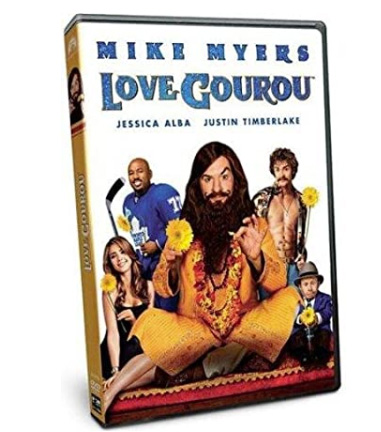
The Love Guru
Synopsis
An American-born man raised in an Indian ashram returns to the United States to establish himself as a globally renowned self-help spiritual guru and relationship expert. Struggling to gain mainstream fame, he is hired by a desperate professional hockey team owner to help resolve a major sports slump affecting her star player. As he attempts to mend the athlete's broken marriage, he navigates bizarre cultural misunderstandings, slapstick mishaps, and absurd spiritual rituals. Through eccentric advice, he ultimately helps everyone find emotional clarity and love.
The Making of the Film
Star and co-writer Mike Myers conceived the original character and storyline as a satirical take on modern self-help culture and new-age spirituality. The inspiration drew from Myers's affection for broad physical comedy, silly accents, and cameo-heavy ensemble casts. The production team wanted to create an irreverent comedy in the vein of Myers's previous successful franchises. The script was crafted to feature numerous pop-culture jokes and eccentric character performances.
Critical and Reception
Professional critics universally panned the film upon release, criticizing its lazy writing, offensive cultural stereotypes, and stale comedic routines. Audiences largely avoided the movie at the box office, resulting in a significant commercial failure for the studio. The film earned multiple Razzie Award nominations, reflecting its poor reception among viewers and critics alike. Over time, it has become widely remembered as a notorious misfire in its star's career.
Filming Anecdotes
Director Marco Schnabel drew inspiration from classic campy comedies, traditional Bollywood dance sequences, and modern self-help seminar tropes. Production faced scheduling and promotional hurdles as the studio attempted to market the film's heavy reliance on slapstick humor. During the hockey arena scenes, professional sports cameos were integrated to give authenticity to the sports subplots. The studio worked closely with Mike Myers to develop the elaborate wardrobe and physical mannerisms of the guru.
Themes Explored
The film explores modern romance, spiritual commercialism, professional sports pressure, and the absurdity of self-help gurus. It examines how people seek external guidance to fix internal emotional insecurities. Friendship and genuine connection serve as comedic counterweights to superficial fame. Additionally, cultural satire underlines the humorous dialogue.
Explanation of the Ending
The narrative concludes with the hockey player reconciling with his wife during the championship game, leading his team to victory thanks to unexpected spiritual clarity. The guru achieves public redemption and realizes that true wisdom comes from humility rather than commercial fame. The final scenes feature an exuberant musical dance number celebrating romantic reconciliation. It provides a campy and cheerful resolution to the comedic chaos.
Meaning of the Title
The title refers directly to the profession and persona of the eccentric protagonist who claims to offer spiritual enlightenment and romantic advice. It highlights the commercialized nature of modern spiritual coaching. The name creates an immediate humorous and satirical hook for a comedy. It serves as the primary moniker for the central character.
There are no recent major developments or active news items regarding this film.