

 Français
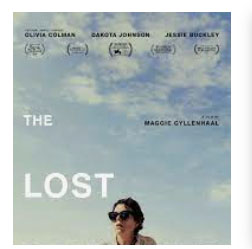
The Lost Daughter
Synopsis
Leda, a middle-aged professor, is enjoying a quiet vacation by the sea in Greece. Her peace is disturbed when she becomes fascinated by a young mother and her little girl on the beach. Watching them stirs up painful memories of her own early years as a mother. A small, impulsive act sets off a chain of events that forces her to face the past.
The Making of the Film
The Lost Daughter is based on the 2006 novel by Elena Ferrante, the Italian author best known for the Neapolitan Novels. It was the directorial debut of Maggie Gyllenhaal, who also wrote the screenplay. Olivia Colman played the older Leda, Jessie Buckley the younger Leda, and the cast included Dakota Johnson, Dagmara Dominczyk, Ed Harris and Peter Sarsgaard. The film was shot on the Greek island of Spetses. It premiered at the Venice Film Festival in September 2021 and was released on Netflix in December of that year.
Critical Reception
Summary of professional reviews
Critics were overwhelmingly positive. They praised Olivia Colman's subtle and layered performance, Gyllenhaal's confident direction and the film's honest look at motherhood. Many called it one of the best debuts of the year.
Public reception
The film found an appreciative audience among viewers who like psychological dramas. It sparked many discussions about the less talked-about side of motherhood.
Awards received
Maggie Gyllenhaal won the Best Screenplay prize at the Venice Film Festival. The film received three Academy Award nominations: Olivia Colman for Best Actress, Jessie Buckley for Best Supporting Actress and Maggie Gyllenhaal for Best Adapted Screenplay.
Themes Explored
The film is about the contradictions of motherhood, including love, resentment, guilt and the desire for independence. Leda's memories show a woman who felt trapped by her responsibilities and who made choices that she still cannot forgive herself for. It also explores female solidarity, jealousy and judgment. The story shows how a small gesture can reveal years of buried emotion. The film refuses to offer easy answers and invites viewers to examine their own assumptions.
Ending Explained
After a confrontation in which Leda is stabbed with a hatpin, she drives away and collapses on the beach. In the final scene she wakes up alive, and she calls her daughters, who answer the phone. The ending suggests a moment of release and relief, even though the story has not resolved all of Leda's conflicts.
Meaning of the Title
The title refers to the child who goes missing at the beach, but it also points to Leda's own relationship with her daughters and to the ways in which a mother can feel lost. It evokes both the fear of losing a child and the pain of having abandoned one.
Similar Films
For other films about complicated motherhood, try Tully, We Need to Talk About Kevin and Marriage Story. The Neapolitan Novels adaptation My Brilliant Friend is another take on Elena Ferrante's work. Pieces of a Woman and The Souvenir also explore women at turning points in their lives.