

 Français
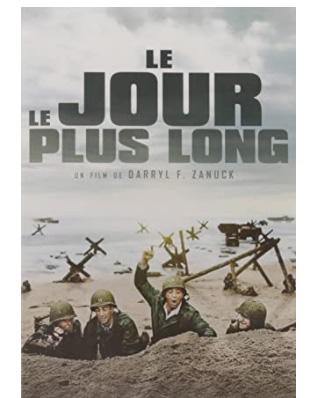
The Longest Day
Synopsis
This epic war film chronicles the historic D-Day landings on June 6, 1944, from multiple perspectives involving Allied and German forces. Based on Cornelius Ryans acclaimed historical book, the narrative meticulously follows the complex military planning, communication breakdowns, and heroic beach assaults. From paratroopers dropping behind enemy lines in the dark of night to the bloody infantry charges on Omaha and Utah beaches, the film captures every facet of the invasion. Through a massive international cast, it portrays the immense scale of the turning point of World War II.
The Making of the Film
Producer Darryl F. Zanuck was inspired by Cornelius Ryans bestselling historical non-fiction book documenting the Normandy landings. Zanuck financed the independent production himself, determined to create an authentic, multi-perspective historical epic. He hired multiple directors to handle different national units to ensure cultural and historical accuracy.
Critical Reception
Critics praised the film for its meticulous historical accuracy, massive scale, and balanced portrayal of both Allied and German perspectives. Reviewers commended the epic documentary-style approach that avoided overly dramatic Hollywood clichés. The grand scale of the battle sequences was celebrated as a technical triumph for 1960s cinema.
Public reception was phenomenal, making it a massive box-office hit worldwide and a beloved classic of war cinema. Audiences were captivated by the star-studded international cast and the relentless historical detail. It remains a definitive cinematic tribute to the veterans of World War II.
The film won two Academy Awards, including Best Cinematography and Best Special Effects, alongside nominations for Best Picture. It earned widespread international acclaim from veterans associations and historical societies. Its legacy as a historical war epic endures.
Filming Anecdotes
Directors Ken Annakin, Andrew Marton, and Bernhard Wicki drew inspiration from actual historical accounts and Cornelius Ryans exhaustive research. They chose to shoot in black-and-white to capture a documentary-like newsreel aesthetic that honored historical reality. Multiple units filmed simultaneously across actual European locations.
Production faced immense logistical hurdles coordinating a massive international star-studded cast speaking multiple languages on active military sites. Thousands of real military personnel served as extras and advisors during the massive battle recreations. Maintaining historical continuity across three directing units required rigorous daily oversight.
A memorable sequence involves paratrooper John Steele getting stuck on a church steeple during the nighttime drop over Sainte-Mère-Église. The scene captures the surreal dangers and chaos faced by airborne troops behind enemy lines. Red Buttons delivered a poignant, memorable performance in this role.
The casting process assembled an unprecedented international ensemble featuring major stars from America, Britain, France, and Germany. John Wayne, Sean Connery, Richard Burton, and Henry Fonda were brought on board to lend star power to various military units. This multi-national approach ensured authentic representation.
Themes Explored
The film explores military strategy, historical sacrifice, international cooperation, and the sheer chaos of war. It highlights the courage of ordinary soldiers thrust into monumental global conflict. Duty and brotherhood transcend national borders.
NULL
Title Significance
The title refers to June 6, 1944, famously dubbed the longest day in history by German commander Erwin Rommel. It signifies the immense duration and tension of the historic D-Day invasion.
NULL
NULL
Similar Films
Other similar films include A Bridge Too Far, Tora! Tora! Tora!, and Midway.