

 Français
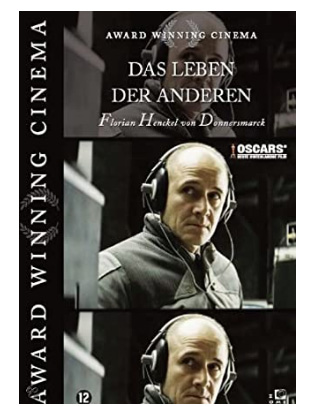
The Lives of Others
Synopsis
Set in East Berlin during 1984 shortly before the fall of the Berlin Wall, Gerd Wiesler is a meticulous, uncompromising captain in the Stasi, the East German secret police. Assigned to conduct round-the-clock surveillance on a celebrated playwright suspected of treason, Wiesler listens through hidden microphones in the mans apartment. As he immerses himself in the artists bohemian lifestyle, listening to classical music, reading poetry, and observing genuine human love, Wieslers rigid ideological loyalty begins to crack. Moved by compassion, the secret agent begins secretly shielding the playwright from state arrest, risking his own life for humanity.
The Making of the Film
Director and screenwriter Florian Henckel von Donnersmarck conceived the historical drama after recalling a maxim by Maxim Gorky about listening to Beethoven, which inspired him to imagine a Stasi officer transformed by art. Donnersmarck spent years conducting extensive historical research with former Stasi archives and dissidents. Buena Vista International financed the German production, turning it into an international triumph.
Critical Reception
Critics universally acclaimed The Lives of Others as a breathtaking, emotionally profound, and flawlessly executed masterpiece of historical cinema. Reviewers praised Donnersmarcks intelligent screenplay, atmospheric cinematography, and Ulrich Mühes monumental lead performance as the conflicted Stasi officer. The film was celebrated for its nuanced exploration of totalitarian surveillance, moral awakening, and the redemptive power of art.
Public reception was phenomenal, turning the German historical drama into a major global box-office success and cultural landmark. Audiences were deeply moved by the quiet tension, moral courage, and poignant conclusion. It remains an all-time cinematic masterwork.
The film won the Academy Award for Best Foreign Language Film, alongside numerous BAFTA, European Film Awards, and César awards. Ulrich Mühe earned international acclaim for his legendary portrayal. Its critical legacy stands as an untouchable monument to historical truth.
Filming Anecdotes
Director Florian Henckel von Donnersmarck drew inspiration from actual historical Stasi interrogation techniques, dissident accounts, and classical art. He chose authentic East Berlin locations and grey-toned color grading to recreate the oppressive bureaucratic surveillance state of the 1980s. His direction encouraged Ulrich Mühe to convey intense emotional shifts entirely through subtle facial expressions and silence.
Production went smoothly, supported by meticulous historical set construction and former political prisoners serving as technical advisors. Ulrich Mühe, who had himself been monitored by the real Stasi in East Germany, brought profound personal resonance to his role. Martina Gedeck delivered a heartbreaking performance as the trapped actress.
A memorable sequence involves Wiesler sitting alone in his drab surveillance attic listening to emotional piano music through headphones, weeping silently in the dark. The scene marks his spiritual awakening and rejection of totalitarian cruelty. Mühes motionless performance is a masterclass in acting.
The casting process was rigorous, seeking actors with deep theatrical gravity. Ulrich Mühe was cast as Wiesler because of his haunting intensity and personal history with the regime. Martina Gedeck and Sebastian Koch brought exceptional emotional weight to the artist couple.
Themes Explored
The film explores totalitarian surveillance, moral awakening, political oppression, the redemptive power of art, and human empathy. It highlights how conscience can awaken even within the coldest bureaucratic machinery. Compassion triumphs over state tyranny.
NULL
Title Significance
The title refers literally to the secret surveillance files and wiretaps documenting the private lives of citizens, which ultimately transform the monitor lives. It highlights the intimate invasion of privacy.
NULL
NULL
Similar Films
Other similar films include The Courier, Bridge of Spies, and Good Bye Lenin!.