

 Français
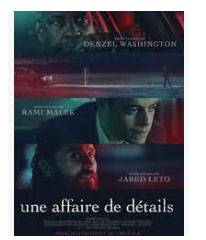
The Little Things
Synopsis
This gritty, neo-noir psychological crime thriller follows Joe "Deke" Deacon, a burned-out, weary Kern County deputy sheriff with a troubled past who is sent to Los Angeles on a routine evidence-collection errand that quickly entangles him in the search for a brutal serial killer terrorizing the city. Teaming up with Jim Baxter, an ambitious, sharp young L.A.P.D. detective eager to make a name for himself, Deke finds himself obsessively drawn to the case, leading the duo to focus their investigation on Albert Sparma, an eccentric, creepy appliance repairman whose eerie behavior matches the killer's profile. As the hunt intensifies, dark secrets from Deke's past resurface, blurring the lines between justice and obsession. It is a bleak, atmospheric masterclass in detective cinema.
The Making of the Film
The project originated from legendary screenwriter John Lee Hancock penning the original spec script all the way back in 1993, intending for Steven Spielberg to direct before the project spent nearly three decades in development hell. Hancock eventually decided to direct the film himself, bringing a deliberate, patient 1990s neo-noir detective aesthetic to the production. Inspiration was drawn from classic 1970s serial killer procedurals like 'Se7en' and 'Zodiac', police psychology, and California landscape noir. The creative team aimed to produce an uncompromised character study.
Critical Reception
Critics offered mixed reviews, praising the powerhouse lead performances of Denzel Washington, Rami Malek, and Jared Leto while critiquing its slow-burning pacing and familiar procedural tropes. Reviewers noted that Hancock successfully captured the suffocating exhaustion and moral gray areas of police work, even if the narrative ultimately subverted traditional thriller expectations in favor of ambiguity. Jared Leto received universal acclaim and earned Academy Award and Golden Globe nominations for his creepy, unsettling portrayal of the prime suspect. Despite mixed critical consensus, it performed well on streaming platforms.
Audience reception was mixed, drawing strong digital viewership through HBO Max and video-on-demand services during its pandemic-era release window. Viewers on public platforms praised the moody L.A. nighttime cinematography, tense interrogation scenes, and Denzel Washington's weary detective persona. Fans of dark crime thrillers appreciated its uncompromising moral ambiguity. Word-of-mouth sustained steady home entertainment popularity.
Awards season brought notable recognition, securing an Academy Award nomination for Best Supporting Actor for Jared Leto, alongside Golden Globe and Screen Actors Guild nominations. Critics' associations acknowledged the stellar acting ensemble. These accolades cemented its status as a fascinating, dark entry in modern crime cinema.
Behind-the-Scenes Stories
The director drew visual inspiration from classic 1990s neo-noir thrillers, desolate California highway photography, and moody police station lighting to establish a bleak aesthetic. Every location, from the fluorescent-lit precinct to Albert Sparma's creepy repair shop, was constructed to reflect the psychological toll of hunting monsters. The production team collaborated with retired L.A.P.D. homicide detectives to ensure that police evidence collection, interrogation tactics, and crime scene protocols looked completely authentic. These artistic choices created an immersive world.
Production presented fascinating logistical challenges, requiring the cast to shoot grueling night shifts across Los Angeles under tight production schedules. Jared Leto wore uncomfortable prosthetic teeth and a shaggy wig to completely transform his physical appearance into the creepy suspect Albert Sparma. Shooting on location in California required careful weather management. Furthermore, maintaining strict narrative ambiguity regarding the killer's identity demanded obsessive script focus from John Lee Hancock.
During the filming of the tense desert digging sequence between Denzel Washington and Jared Leto, both actors executed their psychological chess match with total professional commitment. To maintain authentic tension, Hancock utilized lingering close-up shots. The crew utilized moody, desaturated lighting. This rigorous dedication resulted in standout dramatic moments.
Casting was anchored by securing two-time Oscar winner Denzel Washington as the weary deputy, alongside Oscar winner Rami Malek as the ambitious lead detective and Jared Leto as the eccentric suspect. Supporting roles featured Natalie Morales, Terry Kinney, and Chris Bauer. This star-studded casting strategy drove massive initial streaming visibility.
Themes Explored
The narrative deeply explores themes of obsession, moral compromise, and the psychological scars left by unsolved murder cases. It examines police ethics, guilt, and how the pursuit of justice can corrupt those who seek it. Additionally, it highlights ambiguity, the darkness hidden in ordinary men, and the weight of secrets. Ultimately, the film reflects on sorrow, justice, and the haunting nature of unresolved crimes.
Ending Explained
Deke accidentally kills Sparma in the desert during a desperate confrontation after Sparma taunts him about a missing girl's whereabouts, leading Deke and Baxter to cover up the death and bury Sparma's body, before Deke later mails a brand-new red hair clip to Baxter back in L.A. to give him closure, leaving it ambiguous whether Sparma was actually the serial killer or just a pathetic creep. In the final haunting shot, Baxter burns the evidence package while Deke stares blankly into the distance. The devastating resolution underscores the heavy cost of moral compromise.
Meaning of the Title
The title directly references the small forensic clues and behavioral habits that obsess detectives during an investigation ("The Little Things").
Similar Films
Films sharing similar dark serial killer procedurals, gritty neo-noir atmosphere, and obsessive detective themes include Se7en (1995), Zodiac (2007), and Prisoners (2013).