

 Français
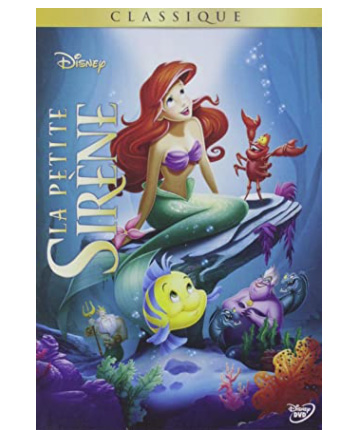
The Little Mermaid
Synopsis
A rebellious young mermaid princess named Ariel is fascinated by human culture and dreams of living on land despite her father's strict prohibitions against the surface world. When she falls in love with a human prince after rescuing him from a shipwreck, she strikes a dangerous bargain with a wicked sea witch to trade her voice for human legs. As the sea witch plots to usurp the underwater throne, Ariel must secure true love's kiss to make her transformation permanent. This magical animated masterpiece launched the legendary Disney Renaissance.
The Making of the Film
The genesis of The Little Mermaid came from Walt Disney's personal fascination with Hans Christian Andersen's fairy tale, which the studio attempted to adapt as early as the 1930s. Directors and writers John Musker and Ron Clements revived the project in the 1980s, transforming the tragic fairy tale into an upbeat, Broadway-style animated musical adventure. The production team revolutionized animation techniques by combining traditional hand-drawn artistry with early computer-generated special effects. The film was a massive creative gamble for Disney animation at a time when the studio's feature department was struggling for survival.
Critical Reception
Professional critics gave universal critical acclaim to The Little Mermaid, praising its breathtaking hand-drawn animation, unforgettable musical score, and vibrant storytelling. Reviewers lauded the film for single-handedly reviving the dying art of American animation and ushering in a golden era known as the Disney Renaissance. The public response was a massive, historic box office phenomenon that shattered animation records worldwide and captured the hearts of millions. Audiences fell instantly in love with Ariel, Sebastian, and the iconic musical numbers. The film won two Academy Awards, including Best Original Score and Best Original Song for "Under the Sea."
Filming Anecdotes
Directors John Musker and Ron Clements drew inspiration from classic Broadway musical structures, fairy-tale aesthetics, and traditional Disney character animation principles. Production required years of painstaking hand-drawn labor, involving millions of painted cels and pioneering multiplane camera effects to create fluid underwater motion. During the production phase, animator Glen Keane based Ariel's physical beauty and expressive hair movement on actress Alyssa Milano and live-action reference models. Before Jodi Benson was cast as Ariel, the studio considered various stage actresses, but Benson's breathtaking vocal audition secured her the legendary role instantly.
Main Themes
The film explores deep themes of curiosity, rebellion, self-discovery, generational understanding, and the pursuit of dreams against overwhelming social barriers. It highlights the courage required to step outside familiar comfort zones to discover where one truly belongs. Furthermore, it celebrates the power of voice and music.
Ending Explanation
The climax resolves the epic undersea battle when Prince Eric uses a wrecked ship to impale and destroy the monstrous sea witch Ursula, restoring peace to King Triton's ocean realm. Recognizing the depth of Ariel's love for the prince, King Triton uses his magical trident to permanently transform his daughter into a human. Ariel and Eric are married in a grand royal wedding uniting the human and merfolk worlds in joyous celebration. The film ends on a magical, triumphant note with Ariel waving a loving farewell to her father from the shore.
Title Significance
The title honors the central protagonist of the narrative: Ariel, the young mermaid princess whose adventurous spirit drives the entire fairy-tale journey.
The film features a legendary, Academy Award-winning musical score and soundtrack composed by Alan Menken with lyrics by Howard Ashman, featuring iconic masterpieces like "Part of Your World" and "Under the Sea."
NULL
Beauty and the Beast, Aladdin, Cinderella, Hercules