

 Français
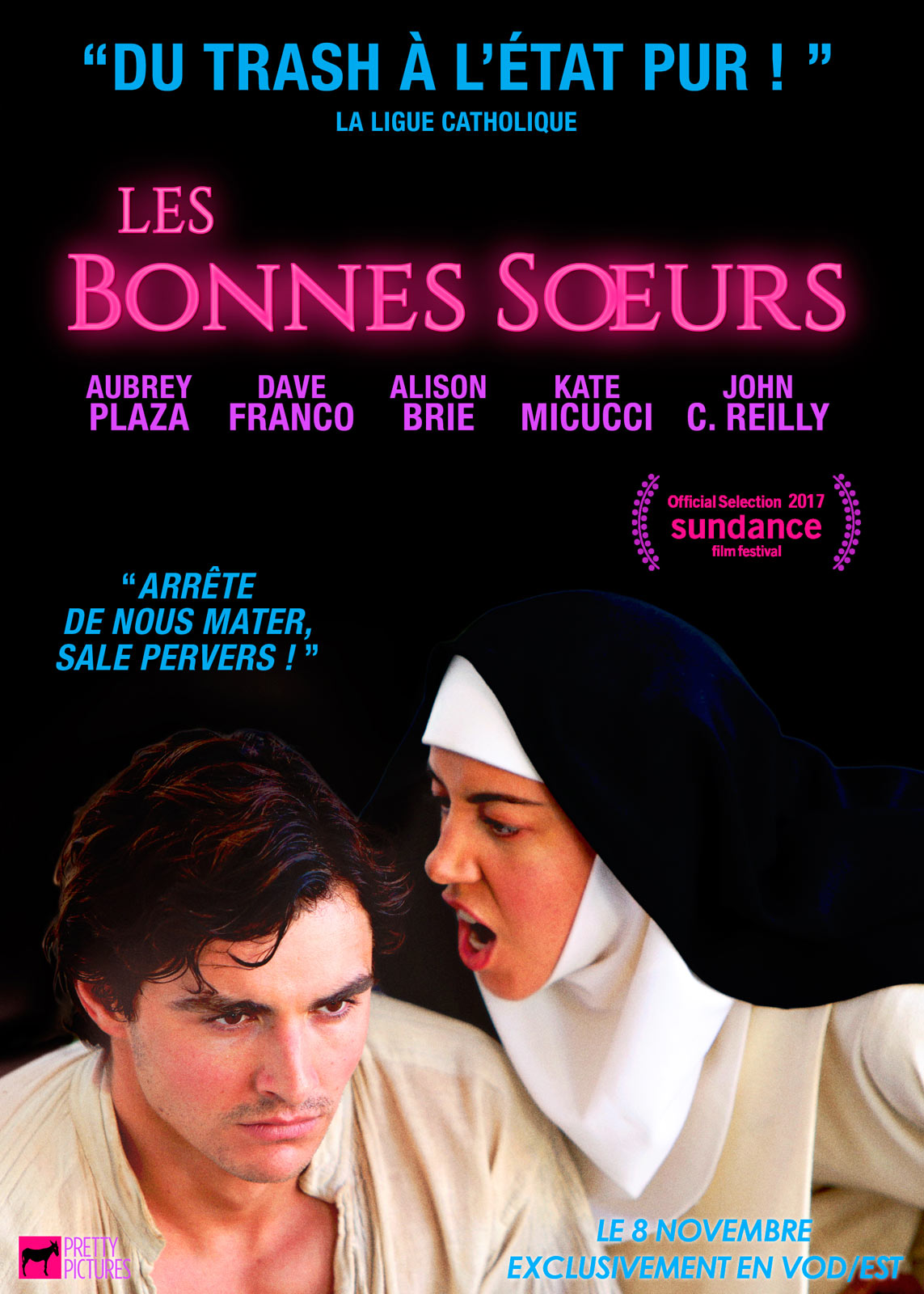
The Little Hours
Synopsis
Set in medieval Italy during the fourteenth century, a young servant fleeing from his wrathful master takes refuge inside a secluded convent filled with deeply eccentric, emotionally volatile nuns. The sisters, struggling with boredom, wine-drinking, and repressed desires, quickly disrupt the newcomer's peaceful hiding spot with chaos and absurdity. When a handsome new handyman is hired by the convent, mounting romantic and comedic temptations push the nuns further into rebellious madness. This irreverent, satirical dark comedy puts a modern, hilarious spin on traditional historical narratives.
The Making of the Film
Writer-director Jeff Baena drew inspiration from Giovanni Boccaccio's classic medieval collection The Decameron, particularly tales involving clever clergy and mischievous nuns. Baena wanted to create an improvised, modern comedy that subverted traditional solemn historical period pieces by injecting contemporary absurdity and feminist agency. The production utilized an ensemble cast of renowned comedic actors who were encouraged to improvise much of their dialogue based on story outlines. Filming took place on location in historic medieval villas across central Italy to maintain authentic rustic atmosphere.
Critical Reception
Upon its release, the film received generally positive reviews from critics, who praised its audacious humor, stellar ensemble cast, and unique satirical approach to medieval history. Reviewers highlighted Alison Brie, Aubrey Plaza, and Kate Micucci for their hilarious, unhinged performances as rebellious nuns. Audiences appreciated the film's sharp wit, irreverent tone, and willingness to flout traditional historical conventions. While it played primarily as an independent art-house comedy, it achieved cult status among comedy fans.
Behind-the-Scenes Stories
Much of the dialogue in the film was entirely improvised by the cast on set, building organic comedic chemistry and chaotic comedic energy. Filming on location in ancient Italian convents and villas provided a wonderfully authentic backdrop that contrasted hilariously with the modern, deadpan dialogue delivery. Alison Brie and Aubrey Plaza frequently cracked up crew members during takes with their outrageous physical comedy and deadpan delivery of medieval blasphemy. The cast lived closely together in Italy during production, fostering a tight-knit comedic ensemble vibe.
Themes Explored
The film satirizes religious hypocrisy, institutional oppression, and the strict patriarchal control of women during the Middle Ages. It explores female autonomy, sexual awakening, and the universal need for rebellion against boredom and repression. Furthermore, it subverts traditional pious religious tropes with absurd, profane modern humor.
Ending Explained
After a weekend of rampant debauchery, secret affairs, and general convent chaos, the sisters manage to cover up their transgressions just as the visiting bishop arrives for inspection. The handyman escapes the convent unscathed, leaving the nuns to return to their routine duties with a newfound, secretly satisfied sense of inner liberation. In the final comedic scene, the sisters share a knowing smirk, having successfully navigated their chaotic rebellion without divine or earthly punishment.
Meaning of the Title
The English title The Little Hours plays on the traditional canonical hours of prayer observed by monastic orders throughout the medieval day, contrasting piety with absurdity. It establishes a tongue-in-cheek religious pun that sets the irreverent, satirical tone of the narrative. The title signals a humorous look inside monastic life.
Life After Beth, The Guard, Ingrid Goes West, Zola