

 Français
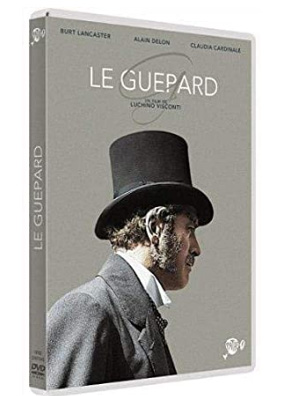
The Leopard
Synopsis
Set in 1860s Sicily during the turbulent political upheavals of the Risorgimento, an aging Sicilian aristocrat watches helplessly as the traditional feudal aristocracy is swept away by the rise of a bourgeois merchant class and Italian unification. Seeking to secure his aristocratic family's future, he orchestrates a strategic marriage between his ambitious, opportunistic nephew and the beautiful daughter of a wealthy upstart mayor. Through lavish banquets, sweeping ballroom dances, and political maneuvering, an era ends. The Italian historical masterpiece offers a poignant meditation on social change.
The Making of the Film
Adapted from Giuseppe Tomasi di Lampedusa's acclaimed posthumous novel, visionary director Luchino Visconti sought to craft an opulent, definitive cinematic portrait of Sicilian aristocracy and historical decay.
Critical Reception
Professional Reviews Summary
Critics hailed the film with widespread critical acclaim, praising its breathtaking Technicolor cinematography, peerless historical production design, and Burt Lancaster's monumental lead performance.
Public Reception
Audiences and art-house cinephiles embraced the Italian epic masterpiece, cementing its status as one of the greatest cinematic achievements in history.
Awards
It won the prestigious Palme d'Or at the 1963 Cannes Film Festival and received an Academy Award nomination for Best Costume Design.
Behind-the-Scenes Stories
Inspirations du réalisateur
Luchino Visconti drew heavy inspiration from his own aristocratic Sicilian heritage, historical family archives, and 19th-century Italian literature.
Difficultés de production
Filming the legendary forty-minute ballroom sequence required weeks of painstaking lighting, authentic antique furniture arrangement, and hundreds of tuxedoed extras.
Anecdote sur une scène particulière
Burt Lancaster dubbed his own Italian dialogue in some prints, bringing immense regal authority to the aging Prince of Salina.
Themes Explored
The film explores social decay, aristocratic transition, political revolution, mortality, and historical inevitability.
Ending Explained
At a grand aristocratic ball, the aging prince walks alone into the quiet dawn streets, reflecting poignantly that everything must change so that everything stays the same.
Meaning of the Title
The title 'The Leopard' (Il Gattopardo) refers to the aristocratic family crest, symbolizing the proud ruling class facing historical extinction.
Original Soundtrack
Nino Rota composed a sublime, melancholic orchestral score featuring sweeping waltzes that captured the fading elegance of the Sicilian aristocracy.
Death in Venice, Senso, Barry Lyndon, The Conformist