

 Français
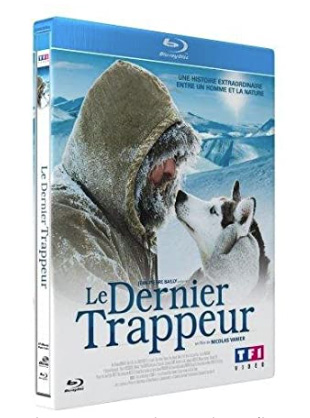
The Last Trapper
Synopsis
Set in the remote wilderness of the Canadian Yukon, The Last Trapper follows Norman, a man who has chosen to live according to traditional trapping practices. Together with his wife Nebraska and their sled dogs, he survives in an environment where modern conveniences are largely absent. Throughout the seasons, he hunts, fishes, builds shelters and travels through vast forests and snowy landscapes. His way of life requires considerable physical endurance and a deep understanding of nature. As the modern world gradually encroaches on his territory, Norman must confront the uncertain future of a disappearing traditional lifestyle.
The The Making of the Film
The Last Trapper emerged from Nicolas Vanier’s longstanding fascination with northern wilderness regions and traditional ways of life. The French explorer, writer and filmmaker had spent considerable time traveling through extreme environments. His previous expeditions gave him direct experience of the challenges faced by people living far from modern civilization. The project was inspired by the real life of Norman Winther, a trapper living in the Canadian Yukon. Rather than adapting a conventional fictional novel, Vanier wanted to present the daily existence of a real individual. The film combines documentary observation with elements of staged cinematic storytelling. Norman and his wife May Loo, known in the film as Nebraska, participate in a narrative built around their actual environment and lifestyle. The production was developed as an international collaboration involving French, Canadian and European companies. Its objective was to immerse audiences in a world where survival depends on experience, patience and respect for nature. The film also raises questions about the future of traditional lifestyles in an increasingly industrialized society.
Critical Reception
The film was appreciated for its extraordinary natural landscapes and its immersive representation of life in the Canadian wilderness. Nicolas Vanier’s experience as an explorer gives the production a strong sense of environmental authenticity. The cinematography captures forests, mountains, rivers and snowy expanses with considerable visual beauty. The relationship between Norman and his dogs is another element that attracted positive attention. Some critics, however, noted that the narrative occupies an unusual position between documentary and fiction, making its classification less straightforward.
The audience response was particularly favorable among viewers interested in nature, adventure and traditional lifestyles. Its spectacular landscapes and relatively contemplative storytelling distinguish it from conventional action-oriented adventure films. Families and nature enthusiasts have found the film accessible and visually engaging. The character of Norman also gives the story a human dimension that goes beyond landscape photography. Its lasting appeal is closely connected to its celebration of a disappearing way of life.
The production is not especially associated with major international award victories. Its recognition has primarily come from audiences interested in environmental cinema and adventure documentaries. Its contribution to the representation of northern wilderness life remains an important aspect of its identity. The film has also helped introduce Nicolas Vanier’s exploration of remote environments to a wider international audience.
Filming Anecdotes
Nicolas Vanier was able to draw on years of personal experience in northern environments when preparing the film. His familiarity with extreme weather, sled dogs and wilderness survival helped shape the production. Norman Winther was not simply an actor portraying a trapper but a real person whose daily activities provided the foundation of the story. This gave the filmmakers access to practical knowledge that would have been difficult to reproduce through conventional acting alone.
Filming in the Yukon required considerable preparation because the crew had to work in remote areas with challenging weather conditions. Snow, freezing temperatures and limited access to infrastructure complicated the organization of the shoot. The presence of sled dogs also required special attention to their safety and working conditions. The production had to adapt to the rhythms of nature rather than controlling every aspect of the environment.
The dogs are among the most memorable elements of the film. Their relationship with Norman illustrates the importance of teamwork and mutual dependence in traditional northern life. Many sequences show their work during sled journeys and everyday activities. Their presence gives the film much of its emotional warmth.
The production deliberately focused on Norman and his real-life environment rather than constructing a conventional fictional hero. His wife May Loo also participated in the film, bringing an additional personal dimension to the story. This approach helped preserve the authenticity of the lifestyle being documented.
Themes Explored
The relationship between human beings and nature is the central theme of The Last Trapper. Norman lives according to the seasons and accepts that survival requires constant adaptation to the environment. His lifestyle contrasts sharply with the conveniences and consumption habits of modern society. Independence and self-sufficiency are presented as valuable qualities, but they also demand physical effort and personal sacrifice. The film explores the importance of traditional knowledge and the gradual disappearance of practices passed down through generations. The bond between humans and animals is particularly significant, especially through Norman’s relationship with his sled dogs. Love and companionship provide emotional stability in an otherwise isolated existence. The film also raises questions about environmental change and the pressure of industrial development on remote territories. Its landscapes emphasize both the beauty and vulnerability of wilderness ecosystems. Ultimately, the story invites viewers to reconsider what constitutes a meaningful and fulfilling life.
Explanation of the Ending
The conclusion emphasizes the fragile future of Norman’s traditional way of life. His experiences demonstrate that surviving in the wilderness is not simply a romantic adventure but a demanding daily commitment. The encroachment of modern civilization makes it increasingly difficult to preserve the independence that defines his existence. Nevertheless, Norman continues to value his relationship with nature, his wife and his dogs. The ending does not present a simple victory or defeat. Instead, it leaves viewers reflecting on the gradual disappearance of traditional lifestyles. His continued attachment to the wilderness represents a form of resistance against a rapidly changing world. The film closes on the idea that personal freedom sometimes requires accepting a difficult and uncertain existence.
The Meaning of the Title
The title The Last Trapper refers to Norman, whose traditional lifestyle represents a disappearing form of northern wilderness survival. The word last emphasizes the rarity of people who continue to live according to these practices. It also gives the story a melancholic dimension because the film documents a way of life that may not survive the expansion of modern society. The title therefore functions both as a description of its central character and as a reflection on cultural disappearance.
Original Soundtrack
The original music was composed by Krishna Levy. His score accompanies the film’s vast natural landscapes and helps reinforce its contemplative atmosphere. The music supports the emotional relationship between Norman, Nebraska and their animals without overwhelming the images. It also contributes to the contrast between the peaceful beauty of the wilderness and the physical challenges of survival. The soundtrack is an important part of the film’s immersive audiovisual experience.
Similar films include Into the Wild, Never Cry Wolf, Dersu Uzala, The Bear, Arctic and March of the Penguins. These productions explore wilderness survival, human relationships with animals and the beauty of remote natural environments.