

 Français
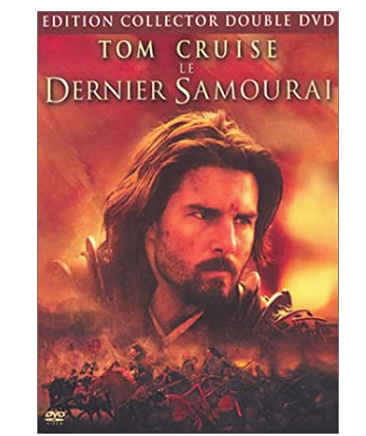
The Last Samurai
Synopsis
In 1876, Captain Nathan Algren, a disillusioned American veteran, is hired to train the new Japanese army in modern warfare. During a battle against rebel samurai, he is captured by their leader, Katsumoto. Spending a winter in the samurai village, Algren comes to admire their code of honour. He must then choose between the army he trained and the way of life he has come to respect.
The Making of the Film
The film was directed by Edward Zwick, with a story by John Logan and a screenplay by Zwick, Marshall Herskovitz and Logan. It was loosely inspired by the history of the Satsuma Rebellion of 1877 and by Western advisers who were present during Japan's modernisation. Tom Cruise, who also produced, was cast as Algren, and Ken Watanabe as Katsumoto.
Reviews and reception
Summary of professional reviews: Critics praised the visual beauty, the battle scenes and Ken Watanabe's dignified performance. Others criticised the historical liberties and the familiar "outsider saves the day" structure.
Audience reception: The film was a major hit, grossing more than $450 million worldwide, with particularly strong results in Japan.
Awards won: The film received four Oscar nominations, including one for Ken Watanabe for Best Supporting Actor, as well as nominations for art direction, costume design and sound.
Behind-the-scenes anecdotes
Production difficulties: Filming took place in New Zealand and Japan, and the cast had to undergo intensive training in sword fighting and Japanese customs. Tom Cruise trained for months with swords and learned Japanese phrases.
Themes explored
The film explores honour, tradition versus modernisation and redemption. It also examines the human cost of warfare and the loss of a culture to the arrival of industrial power.
Ending explained
After the last charge of the samurai, Katsumoto dies on the battlefield, and Algren presents the emperor with Katsumoto's sword. The emperor refuses the treaty that would have favoured foreign powers, honouring the sacrifice. Algren's fate is left open, but it is suggested that he returned to the village.
Meaning of the title
The title refers to Katsumoto and his fellow warriors, who represent the end of the samurai class in the face of modernisation.
Soundtrack
Hans Zimmer's score blends orchestral and traditional elements and is one of the film's most recognised features.
Similar films
Fans of this film might enjoy Dances with Wolves, Braveheart, Gladiator, Seven Samurai or Ghost of Tsushima.