

 Français
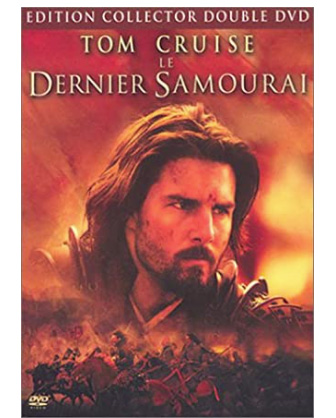
The Last Samurai
Synopsis
In the 1870s, Captain Nathan Algren, a disillusioned American Civil War veteran struggling with deep emotional trauma, is hired to train the newly formed Imperial Japanese Army. As the modernized military prepares to crush a rebellion of traditional samurai warriors, Algren is captured during an early skirmish by the rebel leader Katsumoto. During his months of captivity in a remote mountain village, Algren learns the philosophy, honor, and martial arts of the samurai code. Embracing their way of life, he eventually joins their ranks to fight for their traditions against the relentless march of industrial modernization.
The Making of the Film
Director Edward Zwick conceived the epic historical drama out of a fascination with the Meiji Restoration and the profound cultural clash between traditional samurai values and Western modernization. He wanted to explore a story of personal redemption through cross-cultural understanding and respect for an ancient warrior code. The production collaborated closely with Japanese historical advisors, martial artists, and craftsmen to ensure authenticity in armor, swordplay, and period etiquette. Tom Cruise joined the project as both star and producer, driving its epic scope and emotional depth.
Critical Reception
Professional critics gave the film generally favorable reviews, praising its sweeping cinematography, impressive battle choreography, and Hans Zimmer's stirring musical score. Reviewers commended Ken Watanabe's powerful, charismatic performance as Katsumoto, which earned him widespread international acclaim. Some critics raised concerns regarding the cinematic trope of the white savior narrative, but most acknowledged the film's respectful treatment of Japanese culture and historical tragedy.
The public reception was a massive global box office success, resonating deeply with audiences worldwide who appreciated its emotional resonance and epic scale. Viewers were captivated by the stunning landscapes, thrilling combat sequences, and the poignant philosophical bond between Algren and Katsumoto. It remains an enduring epic of modern historical cinema.
The film received numerous prestigious accolades, including multiple Academy Award nominations for Best Supporting Actor, Art Direction, Costume Design, and Sound. It also earned multiple Golden Globe nominations, solidifying its status as a major cinematic achievement of 2003.
Shooting Anecdotes
Director Edward Zwick drew heavy visual inspiration from classic Akira Kurosawa samurai epics and traditional Japanese woodblock prints to capture the poetic beauty of rural Japan.
Production faced intense physical preparation demands, requiring Tom Cruise and the supporting cast to undergo months of rigorous sword training, equestrian work, and martial arts conditioning.
A pivotal battle sequence in the misty forest required meticulous choreography and stunt coordination to ensure safety while portraying intense melee combat with traditional weapons.
Before Ken Watanabe was cast as Katsumoto, filmmakers searched extensively across Japan for an actor who could command the screen with authority and vulnerability, ultimately finding the perfect fit in Watanabe.
Thematic Exploration
Honor, cultural assimilation, the cost of modernization, personal redemption, and the clash of civilizations.
Ending Explanation
Following a devastating final battle where most of the samurai fall, Algren survives and presents Emperor Meiji with Katsumoto's ancestral sword, inspiring the emperor to reject Western domination and preserve Japanese dignity.
Title Significance
The title refers to Katsumoto and his loyal warriors as the final embodiment of the ancient samurai code facing the inevitable end of their era.
Original Soundtrack
Composed by Hans Zimmer, the epic and emotionally resonant musical score blends traditional Japanese instrumentation with sweeping orchestral themes to mirror Algren's spiritual transformation.
News
The film is celebrated for introducing Western audiences to the complex historical nuances of the Meiji Restoration through a grand cinematic lens.
Similar Films
Braveheart, Dances with Wolves, Gladiator, The Last of the Mohicans