

 Français
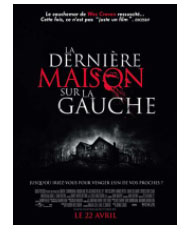
The Last House on the Left
Synopsis
Seeking a peaceful weekend getaway at their secluded lakeside cabin, a loving suburban couple and their teenage daughter Mari are terrorized by a vicious gang of escaped convicts. Following a horrific night of brutal captivity, torture, and assault, the criminals inadvertently seek shelter at the very same cabin, unaware that Mari's parents are her mother and father. Driven by unimaginable grief and a primal vow of protection, the parents transform the home into a lethal trap of bloody vengeance. Ultimately, this intense psychological horror remake explores the horrifying limits of parental fury and survival against pure evil.
The Making of the Film
Director Dennis Iliadis adapted Wes Craven's legendary 1972 exploitation horror classic to create a modern, high-production-value psychological horror thriller. The project was conceived as an intense, visceral retelling focusing on domestic trauma, moral boundaries, and brutal parental retribution. Iliadis drew inspiration from classic home-invasion thrillers, tragedy tropes, and Craven's original genre-defining premise. The production prioritized atmospheric lakeside locations, grounded practical effects, and powerhouse lead performances.
Critical Reception
Critics offered mixed reviews upon release, praising its suspenseful pacing, atmospheric tension, and strong lead performances by Tony Goldwyn and Monica Potter. Reviewers noted that the director successfully updated Wes Craven's raw exploitation film into a polished, terrifying home-invasion thriller. Some film critics, however, condemned its extreme graphic violence and disturbing assault sequences as gratuitous. Despite polarized critical opinions, horror enthusiasts embraced its uncompromising suspense and cathartic vengeance.
Audiences enjoyed the tense psychological horror film for its relentless suspense, satisfying comeuppance of the villains, and strong emotional stakes. Viewers on home video platforms commended the grounded performances of the parents driven to bloody extremes. It found a welcoming audience among fans of modern horror remakes and intense home-invasion cinema. Many praised its focus on a family fighting back against pure evil rather than helpless victimhood.
Although major mainstream cinematic awards bypassed the horror release, it earned recognition among horror fan communities and home video charts. Tony Goldwyn and Monica Potter's committed performances received praise from genre fans. The film's moody musical score and atmospheric lakeside direction were also celebrated by reviewers. These milestones helped cement its reputation as a memorable, hard-hitting modern horror remake.
Behind-the-Scenes Stories
Dennis Iliadis was heavily inspired by the challenge of reimagining Wes Craven's notorious 1972 classic while maintaining the emotional gravity of a family pushed beyond its limits. He wanted to ensure that the horrifying home-invasion sequence felt grounded in realistic terror rather than cartoonish gore. The visual style utilized cold blue night lighting, moody lakeside forestry, and intimate close-ups of parental fury. The director also worked closely with safety consultants and actors to ensure the intense physical sequences were handled professionally.
Shooting on location across isolated, heavily wooded lake properties in South Africa presented authentic rustic isolation for the production crew. The actors maintained intense emotional focus during demanding captivity and confrontation scenes to convey genuine terror. Tony Goldwyn and Monica Potter spent time discussing their characters' protective instincts before filming key sequences. Despite the dark, heavy subject matter, the cast and crew maintained a collaborative, supportive environment on set.
During the filming of the intense home-defense revenge sequences, Tony Goldwyn and Monica Potter brought fierce physical intensity to their roles. The supporting cast playing the sadistic gang delivered chillingly convincing performances that heightened the villainy. Crew members reported feeling absorbed by the terrifying atmosphere built around the lakeside cabin. The gritty focus of the ensemble gave the horror film its relentless edge.
Casting directors secured an elite cast of respected actors to anchor the disturbing home-invasion thriller. Tony Goldwyn and Monica Potter were secured for the lead roles of the protective parents, bringing unexpected emotional depth. Garret Dillahunt was cast as the terrifying gang leader Krug, bringing chilling menace. The supporting cast featuring Sara Paxton and Riki Lindhome added vital dramatic stakes.
Themes Explored
The film heavily explores home invasion, parental protection, and the horrifying limits of human fury when a family is threatened. It examines trauma, survival, and the dark catharsis of retributive justice. Another core motif is the fragility of domestic peace in isolated settings. It also touches upon revenge, morality, and resilience.
Ending Explained
The film concludes with the traumatized parents successfully eliminating every member of the sadistic gang using improvised traps and brutal home-defense tactics inside their lakeside cabin. Standing blood-soaked alongside their surviving daughter Mari, they burn the house down, symbolically destroying the site of their nightmare. The final haunting shots show the family driving away into the dawn, forever scarred by the horrific ordeal. This visceral finish offers bloody catharsis at the cost of permanent psychological trauma.
Meaning of the Title
The title refers literally to the isolated geographic location of the family's remote lakeside cabin, which sits at the very end of a lonely dirt road. It echoes the iconic title of Wes Craven's original 1972 exploitation masterpiece. The descriptive phrasing sets a chilling, ominous tone for the home-invasion thriller. It encapsulates the inescapable trap where the horrific violence unfolds.
Similar films include The Strangers, Funny Games, Don't Breathe, and I Spit on Your Grave, which feature home invasions, brutal survival, and terrifying revenge thrillers.