

 Français
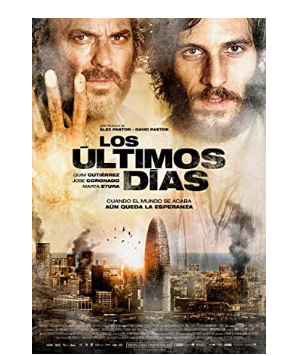
The Last Days
Synopsis
The Last Days is a harrowing, profoundly moving biographical documentary directed by James Moll and executive produced by Steven Spielberg through the Survivors of the Shoah Visual History Foundation. The film chronicles the staggering true-life stories of five Hungarian Jews—including a teacher, a businessman, a young woman, and a doctor—who survived the unimaginable horrors of the Holocaust during the final months of World War II. In 1944, despite knowing Germany was losing the war, Adolf Hitler's Nazi regime accelerated the brutal deportation and systematic murder of over four hundred thousand Hungarian Jews to Auschwitz. Through deeply personal interviews and archival footage, the documentary preserves their testimonies of survival, loss, and enduring human dignity.
The Making of the Film
Director James Moll collaborated with Steven Spielberg's Shoah Foundation to document the harrowing personal accounts of Holocaust survivors before their stories were lost to time. The production focused specifically on the tragic fate of Hungarian Jews during 1944, highlighting how rapidly the Nazi machine operated even at the twilight of the war. Filmmakers traveled with the survivors back to their former hometowns and the gates of Auschwitz-Birkenau, capturing emotional moments of remembrance and closure. The resulting documentary stands as a vital historical testament against bigotry and genocide.
Critical Reception
Professional critics greeted the film with overwhelming international critical acclaim, praising its emotional honesty, historical rigor, and profound human dignity. Reviewers lauded James Moll's sensitive direction for allowing survivors to tell their stories without sensationalism, focusing instead on resilience, memory, and the importance of bearing witness. Critics commended the documentary for educating younger generations about the horrific realities of the Holocaust. It was hailed as a masterpiece of historical preservation.
Audiences responded with deep emotional reverence and solemn reflection, turning the documentary into a powerful educational touchstone worldwide. Viewers were profoundly moved by the survivors' courage in revisiting their darkest memories and sharing messages of hope. Word-of-mouth recommendations cemented its status as an essential historical document.
The film achieved historic awards success, winning the Academy Award for Best Documentary Feature, cementing its legacy as a landmark of Holocaust cinema.
Behind-the-Scenes Stories
Director James Moll drew inspiration from historical archives, survivors' oral histories, and the mission of the Shoah Visual History Foundation to preserve wartime testimonies. Filming on location at the harrowing concentration camp sites in Poland and Hungary required deep emotional sensitivity from the crew and survivors. During the filming of the return visits to Auschwitz, the survivors maintained profound emotional strength while recounting their imprisonment. Before production began, extensive historical research was conducted to trace the exact timeline of the 1944 Hungarian deportations.
Themes Explored
Holocaust, Survival, World War II, Memory, History, Resilience
Ending Explained
The poignant final scenes show the survivors sharing messages of hope, resilience, and remembrance with future generations, ensuring that the horrors of the past are never forgotten.
Meaning of the Title
The title refers to the tragic final months of World War II when the Nazi regime desperately accelerated the mass extermination of Hungarian Jews.
Original Soundtrack
Hans Zimmer composed a haunting, melancholic, and sublime orchestral score featuring violin arrangements that honored the victims and survivors with immense grace.
Schindler's List, Night and Fog, Shoah, The Pianist