

 Français
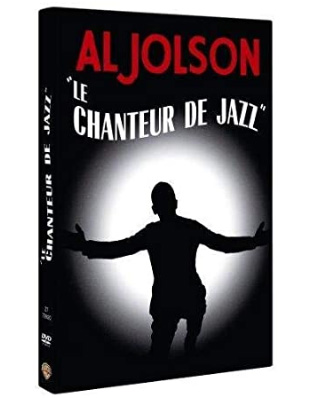
The Jazz Singer
Synopsis
Jakie Rabinowitz is the son of a strict traditional Jewish cantor who expects him to follow family tradition and lead the synagogue choir. However, Jakie possesses a deep passion for modern jazz and popular secular music, leading to a bitter generational clash with his father. Running away from home, he adopts the stage name Jack Robin and struggles to achieve Broadway success while hiding his past. When his big break arrives on the same night as Yom Kippur services, Jack faces an agonizing choice between his religious duty and his artistic dream.
The Making of the Film
The film is based on Samson Raphaelson's 1925 Broadway play and short story 'The Day of Atonement', inspired by real cantor traditions and Al Jolson's stage persona. Director Alan Crosland spearheaded Warner Bros.' high-stakes gamble to integrate synchronized Vitaphone sound-on-disc technology into a feature film. The production faced immense technical hurdles, but Jolson's spontaneous ad-libbed spoken dialogue on set changed cinema history forever. Studio head Jack Warner backed the project, unknowingly birthing the transition from silent films to the sound era.
Critical Reception
Upon its release, The Jazz Singer revolutionized the entertainment industry, electrifying audiences and sparking the worldwide transition to talking pictures. Critics were astounded by the magical illusion of synchronized sound and Al Jolson's powerhouse musical performances. Reviewers recognized its cultural significance, even as some noted its melodramatic silent-era storytelling style. Audiences lined up around the block to hear Jolson speak his famous line, 'Wait a minute, wait a minute, you ain't heard nothin' yet!' Viewers witnessed a monumental technological watershed moment that forever changed the cinematic landscape. The film received a special honorary Academy Award for pioneering synchronized sound and secured an immortal place in film history.
Behind-the-Scenes Stories
Alan Crosland drew inspiration from traditional Jewish liturgical music and the vibrant early jazz club scene of New York City. Production was fraught with anxiety as studio executives feared the sound technology would fail during live takes. Al Jolson famously improvised dialogue during a piano scene, startling the sound crew and creating the first spoken words in a feature film. The initial casting for Jakie always centered on Al Jolson, whose dynamic stage stardom was essential to selling the musical premise.
Themes Explored
The film explores the painful generational clash between strict religious tradition and modern secular assimilation. It examines identity, filial piety, artistic ambition, and the struggle to honor one's heritage while pursuing personal dreams.
Ending Explained
The emotional climax sees Jack torn between opening on Broadway and rushing to sing Kol Nidre at the synagogue after his cantor father falls gravely ill. In the final scene, Jack chooses to sing in the synagogue rather than opening his show, bridging his love for music with his father's spiritual legacy, while a final shot shows his ghostly father forgiving him.
Meaning of the Title
The title 'The Jazz Singer' refers directly to the protagonist's rebellious professional identity performing syncopated modern jazz music against orthodox traditions.
Original Soundtrack
Featuring groundbreaking synchronized musical numbers and traditional liturgical chants, the soundtrack established the foundational template for all future Hollywood movie musicals.
Similar Films
'The Jazz Singer (1980)', 'A Star Is Born', and 'The Eddy Duchin Story' share similar generational musical conflicts, sacrifice, and stardom themes.