

 Français
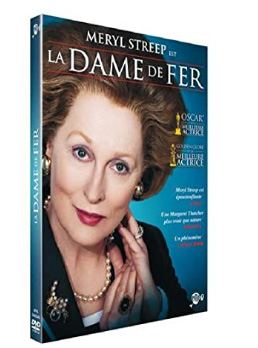
The Iron Lady
Synopsis
This compelling biographical drama chronicles the remarkable and controversial political career of Margaret Thatcher, the first female Prime Minister of the United Kingdom. Spanning her rise through the ranks of the Conservative Party to her eventual downfall, the film explores the immense pressure of leading a nation through turbulent economic and social times. The narrative also frames these historical events through the perspective of an elderly Thatcher grappling with memory loss and the ghost of her late husband. It presents a nuanced, intimate portrait of power, sacrifice, and the heavy personal cost of ambition.
The Making of the Film
The genesis of the project stemmed from a screenwriter's fascination with the psychological mechanisms of political leadership and the lonely reality of aging in power. The filmmakers aimed to create a humanizing yet unflinching character study rather than a straightforward political documentary or partisan history. Inspiration was drawn from historical accounts, cabinet memoirs, and biographical analyses of Britain's longest-serving twentieth-century prime minister. The creative team wanted to explore how iron-willed conviction can simultaneously build a political legacy and alienate personal relationships.
Critical Reception
Professional reviewers offered a mixed array of opinions, heavily praising the central lead performance while occasionally critiquing the narrative structure and political framing. Many critics noted that the screenplay took a somewhat fragmented approach by relying on flashbacks and memory lapses rather than maintaining a linear historical focus. However, the technical achievements—including makeup, costume design, and production recreation of Downing Street—received near-universal acclaim. Reviewers appreciated that the film attempted to examine the human being behind the formidable political caricature, even if some felt it glossed over major policy controversies.
General audiences responded with considerable fascination, frequently discussing the dramatic portrayal of a polarizing historical figure on public forums and review aggregators. Many viewers found the emotional depiction of aging and grief to be surprisingly moving, regardless of their personal political stances on Thatcherism. Ticket sales remained steady as word-of-mouth spread regarding the sheer intensity of the lead acting masterclass on display. For younger generations, the movie served as an accessible, albeit dramatized, entry point into late twentieth-century British political history.
Awards season proved to be a major triumph for the production, most notably securing prestigious Academy Awards for its phenomenal acting and hairstyling achievements. The lead performance dominated international film ceremonies, earning widespread recognition for its astonishing physical and vocal transformation. Additionally, guild awards praised the technical departments for crafting convincing period atmospheres that transported audiences straight into the heart of 1980s Westminster. These accolades solidified the film's place in contemporary cinema as a masterclass in biographical character acting.
Behind-the-Scenes Stories
The director drew aesthetic inspiration from classical portraiture and political documentary footage of the era, emphasizing stark lighting and claustrophobic interior framing. This visual approach was chosen to mirror the intense pressure cooker environment of parliamentary politics and the isolating nature of high office. Archival speeches and parliamentary recordings were studied meticulously to ensure the physical mannerisms and parliamentary combat matched historical reality. These stylistic choices helped establish an authentic atmosphere of bureaucratic tension and historical weight.
Production faced unique challenges when recreating high-security government locations and famous parliamentary sessions without direct access to restricted official state buildings. The wardrobe department had to construct dozens of bespoke power suits and distinctive blue outfits that accurately mirrored the subject's evolving fashion over three decades. Coordinating the aging makeup application required hours of daily prosthetic work that tested the physical endurance of the lead performer. Furthermore, balancing the complex political events of the Falklands War and the miners' strike within a tight running time demanded rigorous editing choices.
During the filming of the dramatic Cabinet crisis scenes, the cast engaged in intense improvisational rehearsals to capture the volatile atmosphere of political betrayal and loyalty. A particular focus was placed on recreating the tense body language during high-stakes parliamentary votes and late-night crisis meetings. The crew maintained absolute silence on set during emotional sequences involving the portrayal of dementia, allowing the actors to maintain complete psychological immersion. These measures contributed to the raw, visceral energy felt throughout the film's most confrontational dramatic moments.
Initial casting considerations focused on finding a performer who possessed the gravitas and intellectual sharpness required to embody one of the twentieth century's most formidable stateswomen. The eventual lead was attached to the project early in development, actively collaborating with the writers to shape the emotional core of the narrative. Supporting casting directors searched extensively for British stage and television actors capable of portraying key historical ministers and advisors. This rigorous selection process yielded a stellar ensemble that grounded the political drama in credible human interactions.
Themes Explored
The film thoroughly investigates the themes of political power, ideological rigidity, and the profound personal sacrifices required to break historical glass ceilings. It explores the psychological weight of leadership, examining how absolute conviction can transform into isolation. Additionally, the narrative touches upon the vulnerability of aging, memory decay, and the enduring grief of losing a lifelong companion. Through these elements, it questions whether monumental historical achievements can ever truly compensate for private sorrow.
Ending Explained
The poignant conclusion resolves the narrative by having Margaret finally accept the death of her husband Denis, letting go of the hallucinations that comforted her loneliness. By clearing away his clothes and possessions, she symbolically confronts her reality and embraces her diminished yet dignified twilight years. This quiet resolution emphasizes closure and inner peace over political legacy.
Meaning of the Title
The moniker refers to the famous sobriquet originally coined by a Soviet journalist, which subsequently became a badge of honor for the steadfast prime minister.