

 Français
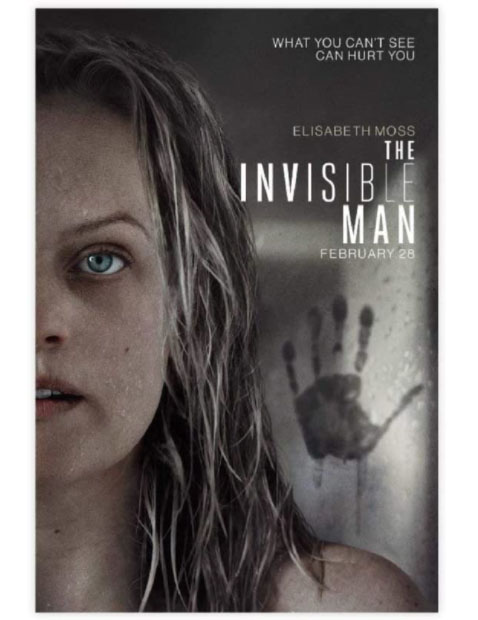
The Invisible Man
Synopsis
This tense, terrifying psychological horror thriller follows Cecilia Kass, a successful architect who escapes an abusive, controlling relationship with a wealthy, genius optics scientist by faking her death in the middle of the night. When her tyrannical ex-boyfriend allegedly commits suicide and leaves her a massive fortune, she attempts to rebuild her shattered life in hiding. However, she soon begins experiencing a series of inexplicable, terrifying events and senses an unseen presence stalking her every move, convincing her that he has engineered a way to become completely invisible. It is a brilliant, suspenseful modern reimagining of classic horror.
The Making of the Film
The project originated from Blumhouse Productions and director Leigh Whannell's desire to reinvent Universal's classic monster catalog by transforming a traditional monster movie into a harrowing, highly relevant thriller about domestic abuse and gaslighting. Filmmakers sought to focus the narrative entirely through the terrifying perspective of the survivor rather than the scientist. Inspiration was drawn from psychological thrillers, real-life domestic surveillance abuse, and classic sci-fi tropes. The creative team aimed to produce a smart, terrifying modern masterpiece.
Critical Reception
Critics offered widespread, rapturous acclaim, praising Elizabeth Moss's powerhouse lead performance, Leigh Whannell's masterful tension building, and the brilliant thematic update of the classic H.G. Wells story. Reviewers noted that the film successfully turned invisible stalking into a chilling metaphor for domestic control, isolation, and gaslighting. The brilliant camera work—frequently lingering on empty rooms where the audience suspects the stalker is lurking—received universal applause. It was immediately recognized as a landmark triumph in modern horror cinema.
Audience reception was massive and enthusiastic, driving the film to tremendous box office success worldwide and making it one of the most profitable horror hits of its release year. Viewers on public platforms praised the relentless jump scares, brilliant psychological twists, and Elizabeth Moss's gripping portrayal of trauma and resilience. Fans of horror cinema celebrated its intelligent subversion of monster movie tropes. Word-of-mouth sustained massive theatrical momentum.
Awards season brought notable recognition from various horror guild ceremonies and critics' associations, honoring Elizabeth Moss for her stellar acting achievement and Leigh Whannell for his screenplay and direction. Critics praised the film for redefining classic monster horror through a chilling feminist lens. These accolades cemented its status as a modern masterpiece of suspense.
Behind-the-Scenes Stories
The director drew visual inspiration from classic psychological thrillers, minimalist architecture, and suspenseful framing to establish a chilling, oppressive aesthetic. Every room of the modern coastal house set was meticulously designed to emphasize terrifying open spaces where danger could lurk unseen. The production team collaborated with domestic abuse counselors to ensure that Cecilia's trauma, isolation, and gaslighting symptoms mirrored authentic survivor experiences. These artistic choices created a deeply unsettling viewing experience.
Production presented fascinating logistical and technical hurdles, requiring the camera operators and stunt crew to execute complex, invisible physical interactions using wires and practical effects. Elizabeth Moss had to perform intense physical stunts and emotional breakdowns while reacting to empty space, relying entirely on precise directorial timing. Shooting on location in Sydney required careful weather management. Furthermore, maintaining strict secrecy around the plot twists prevented leaks prior to release.
During the filming of the terrifying kitchen knife sequence, Elizabeth Moss executed her physical struggle entirely against empty air and custom stunt rigs, showcasing remarkable acting discipline. To maintain authentic tension, the director utilized lingering, static wide shots that forced the audience to scan every corner of the screen for movement. The crew utilized subtle sound design, emphasizing breathing and footsteps, to amplify the invisible dread. This rigorous dedication resulted in a legendary cinematic thriller.
Casting was anchored by securing acclaimed dramatic actress Elizabeth Moss, whose incredible emotional range and intensity drove the entire narrative engine. Moss brought immediate psychological credibility and raw vulnerability to Cecilia. Supporting casting directors filled out the tense supporting roles with talented actors like Aldis Hodge and Storm Reid. This targeted casting strategy was the absolute secret to the film's terrifying success.
Themes Explored
The narrative deeply explores themes of domestic abuse, gaslighting, and the psychological trauma of surviving toxic relationships. It examines the disbelief faced by victims, institutional failure, and reclaiming personal agency. Additionally, it highlights paranoia, surveillance, and invisible control. Ultimately, the film reflects on survival, justice, and the fierce resilience of the human spirit.
Ending Explained
Cecilia traps her abusive ex-boyfriend Adrian in his own home by wearing the invisible suit herself to stage a self-defense confrontation, proving his crimes before slitting his throat when he tries to attack her again. When the police arrive, she calmly steps outside with the hidden suit bag, revealing to her detective friend that she orchestrated her final victory. The thrilling conclusion celebrates absolute liberation and justice served.
Meaning of the Title
The title directly references H.G. Wells's classic science fiction novel and monster archetype, reimagined here as a weaponized symbol of domestic tyranny.
Original Soundtrack
The chilling musical score by Benjamin Wallfisch received high praise for utilizing discordant electronic strings and terrifying sonic frequencies to induce constant dread.
Similar Films
Films sharing similar psychological gaslighting and suspense thriller themes include Sleeping with the Enemy (1991), Hush (2016), and Misery (1990).