

 Français
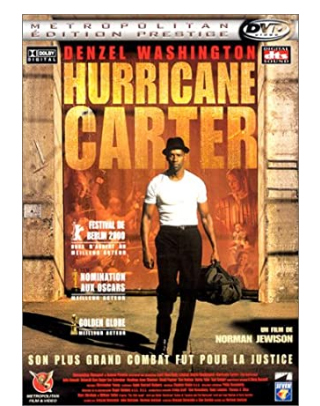
The Hurricane
Synopsis
The inspiring true story of Rubin 'The Hurricane' Carter, a promising middleweight boxer whose life was shattered when he was wrongly convicted of a triple murder in 1966. Spending nearly two decades in prison, Carter maintained his innocence while writing an autobiography that eventually inspired a group of activists to fight for his freedom. Their relentless pursuit of justice led to a monumental legal battle that exposed deep-seated systemic racism and corruption. Ultimately, the film highlights the triumph of human resilience against impossible odds.
The Making of the Film
Director Norman Jewison became deeply captivated by the tragic and unjust imprisonment of Rubin Carter after reading his autobiography, 'The Sixteenth Round'. Jewison felt a personal obligation to bring this powerful story of perseverance and systemic failure to the big screen. The production team collaborated closely with real-life figures, including Sam Chaiton and Terry Swinton, to ensure authenticity in depicting the complex legal battle. Screenwriters Armyan Bernstein and Dan Gordon spent years meticulously researching court transcripts, police reports, and interview archives to construct a compelling screenplay. The project faced numerous development challenges, particularly in securing adequate financing and managing the immense political sensitivity surrounding the case.
Critical Reception
Critics offered generally favorable reviews, praising Denzel Washington's powerhouse performance which many considered one of the finest of his career. Reviewers highlighted the film's emotional intensity, slick direction, and its ability to channel righteous indignation into a gripping cinematic experience. However, some historical purists noted minor dramatic liberties taken with the timeline and the portrayal of specific secondary characters. Audiences responded with immense enthusiasm, moved deeply by the themes of injustice, redemption, and enduring human dignity. The film earned widespread recognition during awards season, cementing its status as a biographical classic.
Behind-the-Scenes Stories
Norman Jewison drew inspiration from classic courtroom dramas and investigative thrillers that tackled institutional corruption head-on. Denzel Washington underwent a grueling physical transformation, training extensively in boxing techniques and weightlifting for over a year to convincingly portray a professional middleweight athlete. During production, Washington spent significant time speaking directly with the real Rubin Carter to capture his mannerisms, vocal cadence, and internal mindset. The casting process considered several alternative actors before Washington locked down the role, immediately establishing a profound emotional connection with the subject matter.
Themes Explored
The narrative powerfully examines racial injustice, systemic corruption within law enforcement, and the devastating impact of prejudice on innocent lives. It explores the psychological fortitude required to survive solitary confinement and wrongful imprisonment without losing one's humanity or hope. Furthermore, the film celebrates the transformative power of literature, self-education, and unexpected cross-racial solidarity in the fight for freedom.
Ending Explained
Following years of tireless investigative work and legal appeals by his dedicated young advocates, a federal judge finally overturns Rubin Carter's wrongful conviction in 1985. Carter steps out of prison a free man, vindicated after enduring nearly twenty years of unimaginable hardship for a crime he never committed. The concluding moments emphasize the profound emotional release of justice finally served after a lifetime of struggle. A final text epilogue details how Carter spent his remaining years dedicating himself to helping other wrongly convicted prisoners.
Meaning of the Title
The title directly references Rubin Carter's famous professional boxing nickname, 'The Hurricane', which symbolizes both his explosive athletic talent in the ring and the unstoppable storm of controversy surrounding his life.
Other powerful biographical dramas focusing on wrongful imprisonment and courtroom justice such as The Shawshank Redemption, In the Name of the Father, and The Trial of the Chicago 7.