

 Français
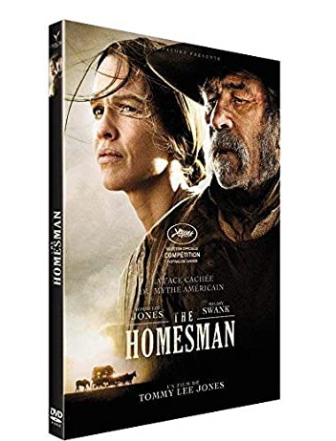
The Homesman
Synopsis
Set in the harsh, unforgiving American frontier of the 1850s, Mary Bee Cuddy is an independent, strong-willed pioneer woman living in Nebraska who volunteers to transport three mentally traumatized women—who have lost their minds due to the brutal frontier hardships—back east to a safe church sanctuary in Iowa. Unable to find any local men willing to undertake the perilous journey, Mary rescues a rough, cynical drifter named George Briggs from a hanging and hires him as her partner. Battling violent weather, treacherous outlaws, and psychological despair across the endless plains, the unlikely pair forge a profound bond. This revisionist Western drama explores frontier madness and grit.
The Making of the Film
Director, co-writer, and star Tommy Lee Jones adapted the revisionist Western from Glendon Swarthout's 1988 historical novel of the same name. Jones was drawn to the project because it offered an unflinching, unromanticized look at the devastating physical and psychological toll the American frontier took on pioneering women. Luc Besson and Peter Brant backed the prestige independent production. The project was designed as a gritty, character-driven Western.
Critical Reception
Professional critics showered the film with widespread critical acclaim, praising its breathtaking cinematography, uncompromising bleak realism, and Hilary Swank's powerhouse lead performance as a resilient pioneer. Reviewers lauded Jones for subverting traditional Western tropes, focusing instead on the forgotten tragedies of frontier women. It competed for the Palme d'Or at the Cannes Film Festival.
Public reception was moderate, appealing to art-house cinema enthusiasts and fans of gritty revisionist Westerns. Audiences were moved by the haunting prairie landscapes and raw emotional honesty. It carved out a respected reputation in modern Western cinema.
Awards and recognition included a Palme d'Or nomination at Cannes and numerous independent film festival accolades. Hilary Swank earned critical acclaim for her nuanced acting. The film remains celebrated as a masterpiece of revisionist Western drama.
Behind-the-Scenes Stories
- Inspirations: The director drew inspiration from classic frontier history, pioneering women diaries, and revisionist Western masterpieces like McCabe & Mrs. Miller.
- Difficulties: Production challenges included filming across remote, freezing prairie landscapes in New Mexico and Georgia under harsh weather conditions to replicate authentic 1850s Nebraska isolation.
- Anecdote: A memorable anecdote involves Hilary Swank performing her own grueling horse-riding and wagon-driving stunts across rough terrain without complaint. Tommy Lee Jones brought gruff, authentic gravelly authenticity to his drifter role. Meryl Streep made a memorable supporting cameo appearance. The crew maintained a serious atmosphere.
- Casting: The casting process secured Hilary Swank to anchor the lead pioneer role, alongside Tommy Lee Jones, Hailee Steinfeld, James Spader, William Fichtner, and Meryl Streep. The ensemble brought heavy dramatic weight to the script.
Themes Explored
The themes explored include frontier isolation, mental trauma of pioneering women, survival, unlikely companionship, and death. The story examines how the brutal American West ruthlessly crushed vulnerable individuals, particularly women. It also highlights frontier resilience.
Ending Explained
The ending reveals a profound tragedy when Mary Bee Cuddy, overwhelmed by loneliness and rejection after proposing marriage to Briggs and being turned down, hangs herself during a river stop, leaving Briggs to complete the difficult journey alone and deliver the traumatized women to safety. After fulfilling their agreement, Briggs parts ways with the sanctuary sisters and boards a steamboat home, pausing briefly to remember Mary's brave spirit. The film concludes on a haunting, bittersweet Western note.
Meaning of the Title
The title 'The Homesman' refers historically to the frontier person tasked with escorting troubled or displaced individuals back home to civilization from the dangerous edge of the wilderness. It is gritty and authentic. The name sets a revisionist Western tone.
The film is frequently discussed in retrospectives analyzing revisionist Westerns and complex portrayals of frontier women.
True Grit, The Assassination of Jesse James, Meek's Cutoff, Unforgiven