

 Français
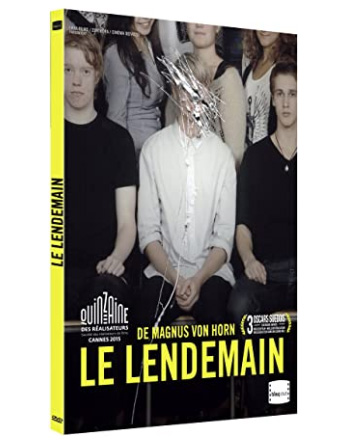
The Here After
Synopsis
Following a stint in juvenile detention for a violent crime, a troubled teenage boy named John returns home to live with his father on a remote Swedish countryside farm. He hopes to quietly reintegrate into school and resume normal life, but discovers that his local community has not forgotten or forgiven his past actions. Whispering neighbors, hostile schoolmates, and fearful parents subject him to quiet ostracism and intense hostility. As psychological pressure mounts and old aggressive impulses resurface, John must decide whether to fight back or seek true redemption.
The Making of the Film
Written and directed by Swedish filmmaker Magnus von Horn, the psychological drama was inspired by true events regarding how small communities react to youth reintegration after severe crimes. Von Horn sought to examine the psychological burden of guilt, societal stigma, and rural isolation without offering easy moral answers. The production utilized bleak, atmospheric winter landscapes in rural Sweden to reflect the protagonist's internal coldness. Ulrik Munther was cast as the complex teenage lead.
Critical Reception
Critical reception for the film was overwhelmingly positive, with reviewers praising its chilling atmospheric tension, stellar lead performance by Ulrik Munther, and unflinching moral complexity. Critics lauded von Horn's confident directorial debut for exploring guilt and community ostracism with neorealist precision. The film premiered at the Cannes Film Festival to critical acclaim, earning several international festival accolades. It is celebrated as a powerful Scandinavian psychological drama.
Behind-the-Scenes Stories
Ulrik Munther, primarily known as a musician, underwent intense dramatic preparation to portray the emotionally fractured teenager accurately. The production was filmed on location in rural Swedish farming communities during freezing winter weather conditions. Director Magnus von Horn maintained a quiet, minimalist atmosphere on set to help actors sustain intense emotional concentration. The dog attack sequences required careful animal training and safety coordination.
Themes Explored
The film explores juvenile crime reintegration, societal stigma, guilt, rural ostracism, and forgiveness. It highlights paternal relationships, psychological trauma, and repressed adolescent violence. Cold Swedish countryside drives the atmospheric narrative. It also touches upon redemption.
Ending Explained
Following a tragic escalation of violence involving his family's farm animals and escalating local hostility, John realizes he can never truly erase his past or win forgiveness from the community. Rather than fleeing or retaliating, he accepts the heavy burden of his actions and chooses a path of quiet penance and departure. He leaves the farm behind to face his future elsewhere, carrying the permanent scars of his guilt. The conclusion provides a bleak, powerful psychological resolution.
Meaning of the Title
The original Swedish title "Efterskalv" translates directly to "The Aftershocks" in English, symbolizing the lingering tremors and societal consequences following a violent crime. It represents guilt and fallout. The phrase sets a heavy psychological drama tone.
Krzysztof Penderecki and experimental ambient soundscapes were utilized to amplify the chilling rural isolation and dread.
The Hunt, The White Ribbon, Bullhead, We Need to Talk About Kevin