

 Français
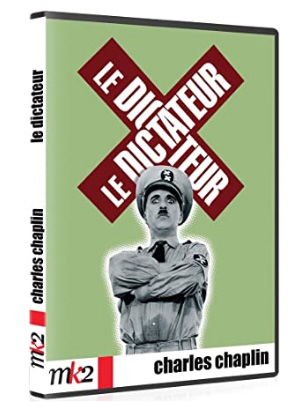
The Great Dictator
Synopsis
In the fictional nation of Tomania, a humble, kind-hearted Jewish barber who suffers from amnesia is accidentally mistaken for the ruthless dictator Adenoid Hynkel. Hynkel is a megalomaniacal fascist bent on world domination and the persecution of the countrys Jewish population. As Hynkel attempts to conquer neighboring Osterlich, the gentle barber finds himself swept up into the center of political chaos. In a stunning climax, the barber takes the podium and delivers a passionate, timeless plea for universal peace and democracy.
The Making of the Film
Writer, director, and star Charlie Chaplin conceived the satire during the rise of Nazi Germany and Adolf Hitler in the late 1930s. Chaplin was determined to use his global comedic platform to mock Hitler and expose the horrors of fascism. United Artists financed the ambitious project despite political pressures and fears of foreign censorship.
Critical Reception
Critics universally acclaimed the film as a courageous, brilliant masterpiece of political satire and humanist cinema. Reviewers praised Chaplins fearless mockery of totalitarian dictators and his daring shift into talking pictures. The final monologue was immediately hailed as one of the most powerful speeches in film history.
Public reception was massive, making it Chaplins highest-grossing financial success worldwide. Audiences were deeply moved by the blend of slapstick physical comedy and profound moral conviction. It remains an immortal cinematic testament against tyranny.
The film earned five Academy Award nominations, including Best Picture, Best Actor for Charlie Chaplin, and Best Original Screenplay. Its historical and cultural significance has only grown over the decades. It stands as a defining anti-fascist masterpiece.
Filming Anecdotes
Director Charlie Chaplin drew inspiration from uncanny physical similarities between his famous Tramp character and Adolf Hitler. He wanted to use his iconic slapstick vocabulary to deflate the terrifying pomposity of fascist leaders. His meticulous perfectionism drove the lengthy production schedule.
Production faced immense political pressure and threats of censorship from isolationist American politicians and foreign governments. Chaplin famously stated that if he had known the true horrors of Nazi concentration camps during filming, he could not have made a comedy. TheGlobe-dancing sequence required precise physical choreography.
A legendary sequence features Hynkel playfully dancing and tossing around an inflatable globe of the world in his office. The scene brilliantly satirizes the childish megalomania of dictators dreaming of global conquest. Chaplins graceful ballet movements made this moment iconic.
The casting process was meticulous since Chaplin played dual roles as both the Jewish barber and the dictator Hynkel. Jack Oakie was cast as Bacteria dictator Napaloni to parody Italian fascist leader Benito Mussolini. Paulette Goddard brought warmth and resilience to the female lead role.
Themes Explored
The film explores anti-fascism, totalitarianism, human rights, and the defense of democracy against tyranny. It contrasts the innocence and kindness of ordinary workers with the cruel vanity of corrupt dictators. Empathy and peace are championed as humanity greatest hopes.
NULL
Title Significance
The title refers directly to the satirical dictator character Adenoid Hynkel ruling over Tomania. It highlights the central theme of unchecked autocratic power and political corruption.
NULL
NULL
Similar Films
Other similar films include Jojo Rabbit, To Be or Not to Be, and The Great McGinty.