

 Français
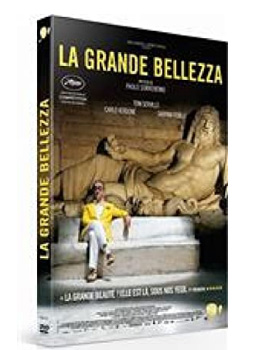
The Great Beauty
Synopsis
Jep Gambardella is a disillusioned 65-year-old journalist and successful socialite in Rome who wrote one acclaimed novel decades ago. Spending his days and nights navigating the decadent, superficial high society of parties, art openings, and aristocratic gatherings, Jep reflects on his lost youth and past loves. Amidst the eternal beauty of the city, he searches for a deeper, authentic meaning in life before it slips away entirely.
The Making of the Film
Director Paolo Sorrentino conceived the film as a modern, spiritual successor to Federico Fellini's La Dolce Vita, exploring the decadence, emptiness, and profound beauty of Rome through a contemporary lens. Sorrentino drew inspiration from his own observations of Roman high society, intellectual circles, and the eternal paradox of a city weighed down by centuries of sublime history and shallow modern vanity.
Critical Reception
Critics showered the film with universal acclaim, praising its breathtaking cinematography, hypnotic musical score, and Toni Servillo's mesmerizing lead performance. Reviewers compared Sorrentino's visual mastery to Fellini, noting how the film captures both the grotesque vulgarity and the sublime melancholy of modern Italian elite culture.
Audiences worldwide embraced the film as a visually sumptuous, philosophical meditation on aging, art, memory, and the search for beauty in a cynical world. It resonated deeply with viewers seeking artistic depth and atmospheric storytelling.
The film achieved major international triumph, winning the Academy Award for Best Foreign Language Film, the Golden Globe, and multiple European Film Awards.
Filming Anecdotes
Paolo Sorrentino drew deep inspiration from classic Italian masterpieces, Marcel Proust's literature, and the melancholic poetry of Rome's ancient architecture. He wanted the camera movements to feel like a gliding waltz through ghosts of the past.
Production was granted rare access to historic Roman palazzos, private terraces overlooking the Colosseum, and restricted archaeological sites, requiring extreme logistical care from the crew to preserve irreplaceable historical artifacts.
During the filming of the extravagant opening party scene, extras and actors danced continuously for hours under intense artificial lighting to recreate the exhausting, hypnotic rhythm of endless Roman nightlife.
Before casting Toni Servillo, Sorrentino wrote the character of Jep specifically with Servillo's unique theatrical cadence and expressive presence in mind, ensuring a seamless collaboration.
Major Themes
Decadence and superficiality, the search for authentic beauty, nostalgia for lost youth, existential disillusionment, and the eternal majesty of Rome.
Explanation of the Ending
Jep realizes that his decades-long writer's block was caused by a fixation on superficial distractions. Inspired by a memory of his first innocent love, he finally finds his creative spark again, ready to write a new novel about true emotion.
Title Significance
The title refers both to the breathtaking, immortal physical beauty of Rome and to the elusive, profound emotional beauty that the protagonist desperately seeks beneath life's surface.
La Dolce Vita, 8½, The Conformist, Youth