

 Français
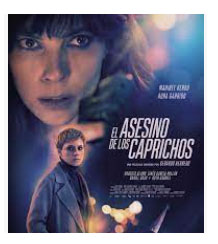
The Goya Murders
Synopsis
Note: Spanish original title is El asesino de los caprichos / International English title is The Goya Murders. Set in Madrid, a seasoned police inspector named Carmen and her eager young partner Eva are assigned to investigate a gruesome series of ritualistic murders taking place among the city's ultra-wealthy elite. Each victim is meticulously posed to recreate the grotesque, satirical imagery of Francisco Goya's famous dark etching series *Los Caprichos*. As the detectives plunge deeper into the opulent art-collecting underworld, they realize the killer is sending a twisted moral message against the corrupt ruling class. Ultimately, this stylish Spanish thriller explores art history, psychological obsession, and dark police procedural detection.
The Making of the Film
Director Gerardo Herrero and screenwriter Ángela Armero collaborated to create a sophisticated Spanish neo-noir thriller blending classical art history with a gritty serial killer investigation. The project was conceived as an intelligent puzzle-box crime mystery exploring elite corruption, historical art symbolism, and police methodology. Herrero drew inspiration from classic Goya masterpieces, Spanish noir literature, and atmospheric police procedural tropes. The production prioritized sleek Madrid museum and art-gallery locations, moody lighting, and Maribel Verdú's powerhouse lead performance.
Critical Reception
Critics offered mixed reviews upon release, praising its ambitious artistic premise, moody Madrid atmosphere, and Maribel Verdú's commanding lead performance. Reviewers noted that the film successfully integrated Francisco Goya's haunting dark etchings into a stylish serial killer mystery. Some film critics, however, felt that the procedural investigation followed overly familiar genre formulas and rushed its final resolution. Despite minor formulaic critiques, thriller and art-mystery enthusiasts embraced its sophisticated cultural backdrop.
Audiences enjoyed the stylish Spanish neo-noir thriller for its fascinating art-world puzzles, suspenseful cat-and-mouse tension, and atmospheric depiction of Madrid. Viewers on streaming platforms commended Maribel Verdú and Aura Garrido for anchoring the dark procedural with strong professional chemistry. It found a welcoming audience among fans of international crime thrillers and art-history mysteries. Many praised its unique integration of classical Spanish masterpieces into modern murder investigations.
Although major mainstream cinematic awards bypassed the international thriller release, it earned recognition among Spanish cinema guilds for its production design, cinematography, and art direction. Maribel Verdú's committed performance received praise from crime fiction fans. The film's moody musical score and gallery set pieces were also celebrated by reviewers. These milestones helped cement its reputation as a sleek, culturally rich modern Spanish thriller.
Behind-the-Scenes Stories
Gerardo Herrero was heavily inspired by the terrifying, satirical genius of Francisco Goya's Los Caprichos etchings, wanting to construct a murder mystery where classic art becomes a weapon of moral judgment. He wanted to evoke a cold, sophisticated aesthetic using high-end Madrid galleries and shadowy interrogation rooms to mirror the corruption of the elite. The visual style utilized high-contrast neo-noir lighting, detailed close-ups of classical art reproductions, and sleek urban architecture. The director also worked closely with art historians to ensure the Goya references were historically accurate.
Shooting on location across historic museums, opulent mansions, and rain-slicked streets in Madrid presented authentic urban textures for the production crew. Maribel Verdú underwent preparation with real police consultants to portray a weathered, sharp-minded homicide detective with absolute authenticity. Aura Garrido brought eager intelligence to her role as the rookie partner navigating high-society art circles. Despite tight production schedules, the technical crew successfully delivered a polished noir aesthetic.
During the filming of the tense crime scene discovery sequences where bodies mimic Goya's paintings, the cast and crew maintained a serious, atmospheric focus. The art department constructed breathtaking, eerie replicas of the historical tableaus for the detectives to investigate. Crew members reported feeling genuinely unsettled by the dark, macabre imagery built on set. The slick professionalism of the Spanish cast gave the crime thriller its gripping edge.
Casting directors secured an elite Spanish ensemble to anchor the art-world mystery. Maribel Verdú was secured for the lead role of Inspector Carmen, bringing unmatched acting gravitas. Aura Garrido was cast as her ambitious partner Eva. The supporting cast featuring Roberto Álamo and Ginés García Millán added stellar dramatic weight.
Themes Explored
The film heavily explores classical art history, elite corruption, and moral hypocrisy among Madrid's wealthy ruling class. It examines serial killer psychology, ritualistic symbolism, and police procedural investigation. Another core motif is the dark legacy of Francisco Goya's social satire. It also touches upon partnership, trauma, and justice.
Ending Explained
The film concludes with Carmen and Eva successfully trapping the intellectual killer inside a historic art gallery during a stormy night, exposing his twisted motive of punishing corrupt collectors who profited off exploitation. The killer is apprehended, bringing a sobering sense of closure to the macabre art-world murders. The final haunting shots show the detectives gazing at a Goya painting, reflecting on the eternal darkness of human nature. This stylish neo-noir finish resolves the intricate mystery with cultural resonance.
Meaning of the Title
The title refers directly to the central artistic conceit of the film where the serial killer mimics Francisco Goya's famous dark etchings (Los Caprichos) to stage each gruesome murder. It highlights the thematic intersection between high art, moral satire, and criminal madness. The descriptive phrasing sets a sophisticated, ominous tone for the neo-noir thriller. It encapsulates the cultural obsession driving the narrative.
Similar films include The Da Vinci Code, Seven, The Ghost Writer, and The Girl with the Dragon Tattoo, which feature art-world mysteries, serial killer investigations, and dark neo-noir thrillers.