

 Français
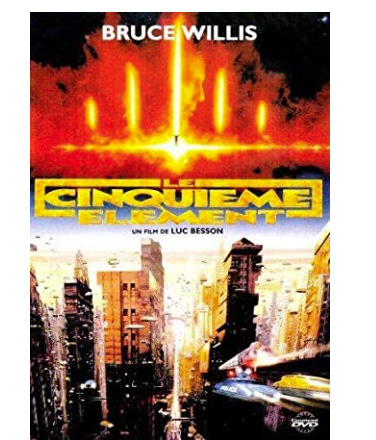
The Fifth Element
Synopsis
In a colorful 23rd-century futuristic world, a cab driver inadvertently becomes the central figure in saving humanity from an ancient evil. He crosses paths with a mysterious alien woman who holds the key to stopping total destruction, known as the fifth element. Together with an eccentric radio host and a quirky priest, they embark on a frantic quest across the galaxy to retrieve four sacred stones. They must outwit corporate mercenaries and alien warriors in a race against time.
The Making of the Film
Director Luc Besson originally conceived the foundational ideas and universe of the story when he was just sixteen years old as a creative outlet. The inspiration draws heavily from French science fiction comic books, vibrant pulp magazines, and futuristic cinema classics. Besson wanted to create a visually dazzling, operatic space adventure infused with unique humor and style. The production took years to develop as visual effects technology caught up with the director's ambitious creative vision.
Critical and Reception
Professional critics gave mixed-to-positive reviews upon release, praising the stunning visual design, inventive costume work, and high-energy action sequences. While some reviewers felt the plot was chaotic, audiences adored the film's unique blend of humor, style, and sci-fi spectacle, turning it into a massive cult classic. The movie received multiple César Awards and a BAFTA Award for its technical achievements and distinct aesthetic. Over time, its reputation has grown enormously, celebrated as a landmark of 1990s science fiction.
Filming Anecdotes
Director Luc Besson drew inspiration from legendary comic book artists Jean 'Moebius' Giraud and Jean-Claude Mézières, whom he later hired as production designers. Production faced immense technical hurdles due to the complex sets, elaborate costumes designed by Jean-Paul Gaultier, and early digital effects integration. During the creation of the famous opera scene, the soprano performer executed incredibly difficult vocal ranges that amazed the cast and crew. The studio considered several different Hollywood stars before casting Bruce Willis and Milla Jovovich in the iconic lead roles.
Themes Explored
The film explores the ultimate power of love and human connection as the definitive force capable of saving the universe. It also examines environmental and cosmic balance through the metaphorical representation of the four classical elements. Consumerism, corporate greed, and media saturation are satirized through the futuristic society and eccentric secondary characters. Furthermore, destiny and unexpected heroism highlight how ordinary individuals can rise to extraordinary challenges.
Explanation of the Ending
The climax concludes with the activation of the four elemental stones combined with the supreme power of love channeled through the fifth element. This cosmic activation successfully obliterates the evil entity before it can destroy the earth, saving humanity at the last possible moment. The protagonists survive the intense ordeal and embrace their newfound romance in a healing chamber. The resolution leaves the universe safe and restores peace across the galaxy.
Meaning of the Title
The title refers to the mystical supreme being who represents the ultimate weapon and key needed to activate the four elemental stones. In classical philosophy, four elements govern the material world, making the fifth element the transcendent spiritual force that unites them all. The name adds a layer of ancient mystery to a high-tech futuristic setting. It serves as the primary macguffin driving the entire science fiction plot forward.
Original Soundtrack
The film features an extraordinary and groundbreaking musical score composed by Eric Serra, earning special acclaim for its unique blend of orchestral, electronic, and operatic elements. The legendary 'Plavalaguna' sequence combines traditional opera with modern techno beats in a way that had never been done before. Serra's innovative use of unique soundscapes perfectly complements the colorful and eccentric 23rd-century aesthetic. The soundtrack remains an iconic and celebrated masterpiece of 1990s cinema audio design.
There are no recent major developments or active news items regarding this film.