

 Français
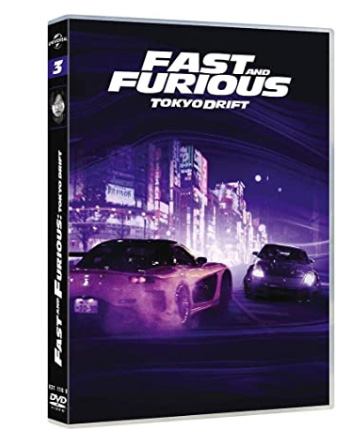
The Fast and the Furious: Tokyo Drift
Synopsis
Sent to live with his estranged military father in Tokyo to avoid juvenile detention, troubled high schooler Sean Boswell immerses himself in the underground world of drift racing. He soon crosses paths with the local drift king connected to the yakuza, leading to a high-stakes rivalry on dangerous mountain passes. Under the mentorship of an experienced street racer named Han, Sean learns the precision and philosophy of drifting. This high-octane sequel expands the franchise into international street-racing culture.
The Making of the Film
Following the success of the first two films, studio executives wanted to take the franchise in a fresh direction by moving the action overseas and introducing a brand-new cast. Director Justin Lin took over the franchise for the first time, injecting authentic Japanese car culture and dynamic camera work into the series. Screenwriter Chris Morgan developed a standalone narrative that bridged American muscle with Japanese automotive engineering. Production aimed to revitalize the brand by focusing on pure drifting physics.
Critical Reception
Professional critics gave mixed reviews, praising the thrilling and innovative drift racing choreography while criticizing the thin plot and juvenile dramatic writing. However, the introduction of fan-favorite character Han Lue, played by Sung Kang, received universal praise from reviewers. Over time, the film gained immense appreciation for successfully steering the franchise into its modern action era.
Public reception was initially moderate at the box office compared to its predecessors, but it ultimately became a cult classic among automotive enthusiasts. Audiences embraced the neon-lit Tokyo street aesthetics and the thrilling physics of rear-wheel drift racing. It proved instrumental in establishing Justin Lin as the definitive director of the franchise.
Awards and recognition were modest, focusing primarily on stunt choreography nominations and automotive culture praise. The film remains deeply significant within the franchise timeline for setting up future interconnected sequels. Its unique cultural footprint endures worldwide.
Filming Anecdotes
The director drew heavy inspiration from authentic Japanese drift racing subcultures, option-drift magazines, and classic samurai cinema honor codes. Production utilized real Tokyo street locations alongside enclosed stunt tracks to capture genuine drifting mechanics. Professional drift drivers were hired to perform the intricate tire-smoking maneuvers seen in the race scenes.
Production challenges included navigating strict Japanese filming regulations and language barriers while shooting guerrilla-style street scenes in Tokyo. The stunt crew had to modify numerous imported cars with specialized suspension and steering kits to achieve the required drift angles. Managing intense heat and tight alleyways tested the technical team.
A memorable anecdote involves the iconic parking garage drift race where Sean learns the hard way how to control a rear-wheel-drive car. Sung Kang improvised many of Han's signature snacks and calm demeanor, creating an instant cinematic icon. The final cameo appearance by Vin Diesel created massive excitement among fans in cinemas worldwide.
The casting process discovered Lucas Black to play the Texas-bred protagonist Sean, bringing a rugged charm to the foreign setting. Sung Kang was brought in to play the smooth, philosophical mentor Han. The supporting cast featured real-life drifting legends and Japanese acting talent to ensure cultural authenticity.
Themes Explored
The themes explored include mentorship, cultural adaptation, finding one's purpose, honor among racers, and automotive passion. The story examines how discipline and respect can transform a reckless outsider into a skilled driver. It also highlights loyalty within underground racing brotherhoods.
Explanation of the Ending
The ending features Sean challenging the villainous DK in a dangerous downhill mountain drift race where the loser is permanently banished from Tokyo. Utilizing the skills taught by Han and sheer determination, Sean wins the race by a fraction of a second, earning the respect of the yakuza and the local racing community. In the final scene, a mysterious racer arrives to challenge Sean, revealing himself to be Dominic Toretto and tying the timeline directly into the broader franchise.
Title Significance
The title 'The Fast and the Furious: Tokyo Drift' combines established franchise branding with 'Tokyo Drift', highlighting the specific geographical location and specialized driving technique central to the plot. The name instantly signals a shift toward Japanese car culture and high-speed cornering.
The film is frequently celebrated in automotive communities and retrospective franchise marathons for popularizing drift culture globally.
Initial D, Need for Speed, Fast & Furious 6, Baby Driver