

 Français
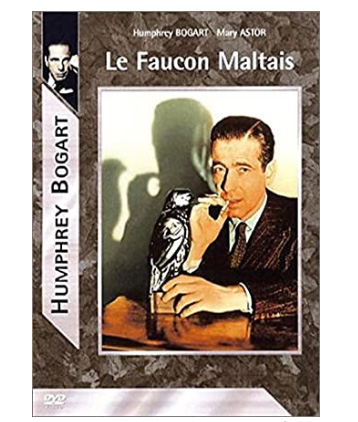
The Maltese Falcon
Synopsis
Sam Spade is a hard-boiled, cynical private detective operating out of San Francisco who is hired by a mysterious, seductive woman calling herself Ruth Wonderly. When Spade partner Miles Archer is mysteriously murdered during a late-night surveillance stakeout, Spade finds himself entangled in a dangerous, multi-sided hunt for a priceless, jeweled statuette known as the Maltese Falcon. Teaming up with a treacherous assortment of colorful criminals and eccentric antique dealers—including the sleazy Cairo and the ruthless Joel Cairo—Spade must navigate lies, double-crosses, and police suspicion. Ultimately, he must choose between his romantic feelings for the femme fatale and his rigid personal code of professional ethics.
The Making of the Film
Director and screenwriter John Huston adapted the landmark neo-noir masterpiece directly from Dashiell Hammett classic 1930 hard-boiled detective novel. Huston made his triumphant directorial debut with this production, following a stellar career as a screenwriter. Warner Bros. financed the low-budget film noir, unaware it would establish the visual and thematic template for the entire genre.
Critical Reception
Critics universally acclaimed The Maltese Falcon upon its release, praising John Huston taut, faithful direction, Dashiell Hammett sharp dialogue, and Humphrey Bogart iconic, star-making lead performance as Sam Spade. Reviewers noted that the film established the cynical tone, shadowy lighting, and morally ambiguous characters that defined classic film noir. It is universally celebrated as a masterpiece of American cinema.
Public reception was phenomenal, turning the hard-boiled detective thriller into a major box-office blockbuster and launching Humphrey Bogart into undisputed superstar status. Audiences fell in love with the snappy banter and mystery of the falcon statuette. It remains an all-time classic.
The film earned three Academy Award nominations, including Best Picture, Best Supporting Actor for Sydney Greenstreet, and Best Adapted Screenplay for John Huston. Its critical legacy stands as the birth of American film noir.
Behind-the-Scenes Stories
Director John Huston drew inspiration from Dashiell Hammett pulp detective fiction, German expressionist lighting, and hard-boiled noir realism. He chose moody, smoke-filled San Francisco soundstages to create a claustrophobic, cynical underworld atmosphere. His direction pushed Humphrey Bogart to establish the ultimate cynical private eye persona.
Production operated on a modest budget and tight schedule, with Huston filming scenes strictly in chronological order directly from the novel pages. Humphrey Bogart brought rugged weariness and sharp wit to Sam Spade. Mary Astor delivered a masterclass in femme fatale duplicity.
A memorable sequence involves Sam Spade confronting Brigid O Shaughnessy in his office at the climax, explaining why he must turn her in to the police despite loving her because when a man partner is killed, he is supposed to do something about it. The scene defines the hard-boiled code of ethics. Bogart cold delivery anchored the finale.
The casting process went through adjustments as George Raft was originally offered the lead role of Sam Spade but turned it down, allowing unknown Humphrey Bogart to step in and secure his legendary career-defining role. Sydney Greenstreet made a sensational film debut as Casper Gutman.
Themes Explored
The film explores cynicism, moral ambiguity, greed, betrayal, professional code of ethics, and the femme fatale archetype. It highlights how human greed for a priceless relic destroys all trust. Justice requires personal sacrifice.
NULL
Meaning of the Title
The title refers directly to the legendary, jewel-encrusted statuette of a falcon dating back to the Knights of Malta that drives the frantic, murderous treasure hunt. It highlights the MacGuffin object of desire.
NULL
NULL
Similar Films
Other similar films include Chinatown, The Big Sleep, and LA Confidential.