

 Français
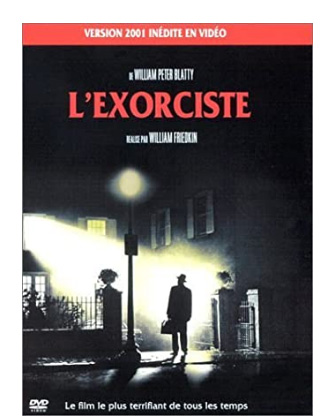
The Exorcist
Synopsis
Set in Georgetown, Washington D.C., actress Chris MacNeil notices bizarre, alarming behavioral changes in her 12-year-old daughter Regan, including violent rifts, levitation, and ungodly voice transformations. After medical science fails to provide any logical diagnosis or cure, local doctors suggest psychological evaluation or demonic possession. Desperate to save her child soul, Chris enlists the help of Father Damien Karras, a troubled Jesuit priest experiencing a crisis of faith. Joined by veteran exorcist Father Lankester Merrin, they engage in a terrifying, nightmarish spiritual battle against an ancient demonic entity.
The Making of the Film
Director William Friedkin adapted the horror masterwork from William Peter Blatty bestselling 1971 novel, which Blatty based on a 1949 historical exorcism case. Warner Bros. financed the high-budget horror production, granting Friedkin complete creative freedom to pursue absolute cinematic realism. The project revolutionized the horror genre forever.
Critical Reception
Critics greeted The Exorcist with intense controversy and divided reviews upon its release due to its shocking, graphic horror imagery, but time transformed it into an undisputed masterpiece of cinema. Reviewers lauded William Friedkins visionary direction, terrifying practical effects, and powerhouse performances by Ellen Burstyn, Linda Blair, and Max von Sydow. It is universally celebrated as the greatest horror film ever made.
Public reception was explosive and unprecedented, causing mass hysteria, fainting spells in theaters, and massive lines worldwide while becoming a colossal box-office blockbuster. Audiences were mesmerized and terrified by its gripping spiritual terror. Its cultural footprint is monumental.
The film won two Academy Awards—Best Adapted Screenplay for William Peter Blatty and Best Sound—and received ten total nominations, including Best Picture and Best Director. It remains the rare horror film to achieve major Oscar recognition. Its legacy is immortal.
Filming Anecdotes
Director William Friedkin drew inspiration from Catholic theology, historical exorcism accounts, and documentary-style realism. He took extreme measures on set to elicit genuine fear and shock from actors, including firing blank pistols without warning and freezing the bedroom soundstage to sub-zero temperatures. His direction pushed Linda Blair through grueling physical makeup applications.
Production faced legendary logistical curses, studio delays, and severe on-set injuries, including actual fires destroying sets and back injuries for the lead actors. Linda Blair spent hours daily in makeup chairs enduring complex prosthetic applications. Max von Sydow aged decades through makeup to play the elderly priest.
A memorable sequence features Father Karras performing the final exorcism by inviting the demon to enter his own body before plunging out the bedroom window. The scene remains one of the most powerful climaxes in film history. The emotional sacrifice cemented the films tragedy.
The casting process was exhaustive as studio executives wanted major stars like Marlon Brando or Audrey Hepburn, but Friedkin fought to cast lesser-known actors like Ellen Burstyn and unknown newcomer Linda Blair to maximize realism. Jason Miller was cast as Father Karras, bringing profound sorrow to the role.
Themes Explored
The film explores faith versus doubt, demonic possession, spiritual warfare, maternal sacrifice, and medical science versus religion. It highlights how evil tests human belief in divine grace. Spiritual redemption requires ultimate sacrifice.
NULL
Title Significance
The title refers directly to the Catholic rite of exorcism and the holy priests tasked with casting out evil spirits. It highlights the spiritual battle driving the entire horror narrative.
NULL
NULL
Similar Films
Other similar films include The Omen, Rosemary's Baby, and Hereditary.