

 Français
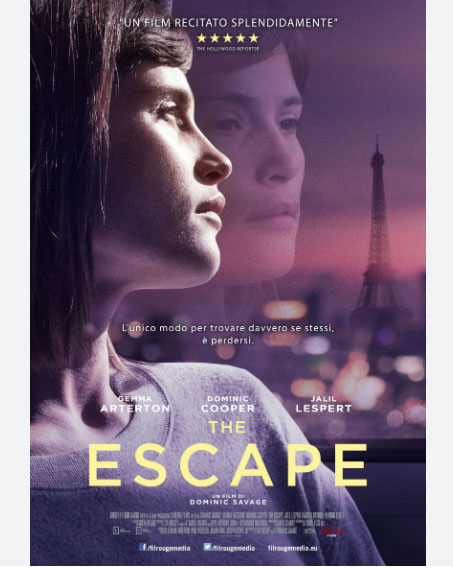
The Escape
Synopsis
Tara is an unfulfilled British suburban housewife and mother who feels completely trapped by the monotonous domestic routine, emotional neglect, and quiet quiet desperation of her daily life. Trapped in a loveless marriage with an overbearing, controlling husband and feeling distant from her two young children, she experiences a profound existential crisis. Driven by a desperate need to reclaim her identity and personal freedom, she quietly withdraws all her savings, purchases a one-way ticket to the sunny shores of Mallorca, and abandons her old life behind. In Spain, she embarks on a quiet journey of self-discovery, exploring new sensations, casual encounters, and the terrifying thrill of total independence.
The Making of the Film
Writer and director Dominic Savage conceived the intimate psychological drama as an unscripted, highly improvisational exploration of modern maternal burnout and female existential crisis. Savage collaborated closely with lead actress Gemma Arterton to build Tara's character arc through emotional truth and spontaneous dialogue rather than rigid script constraints. The production sought to capture the raw, unfiltered psychological reality of a mother walking away from domestic expectations. Independent British financing allowed them to maintain absolute creative freedom.
Critical Reception and Reviews
Professional Critic Reviews
Critics offered generally favorable reviews, praising Gemma Arterton's riveting, courageous lead performance and Dominic Savage's raw, naturalistic direction. Reviewers commended the film's fearless exploration of maternal ambivalence and female societal entrapment without resorting to conventional cinematic judgment. Some critics noted that the meandering, improvised pacing occasionally felt thin. Overall, it was regarded as an intimate and emotionally brave character study.
Public Reception
Audiences responded with thoughtful appreciation, particularly resonating with the honest depiction of burnout, marital suffocation, and the difficult pursuit of personal autonomy. Viewers praised Arterton's grounded performance and the refreshing refusal to provide easy moral answers. Word-of-mouth sustained art-house theatrical interest.
Awards and Honors
While the film missed major mainstream blockbuster awards, Gemma Arterton earned critical accolades and independent film nominations for her fearless lead performance. The director was praised for pioneering authentic improvisational storytelling techniques within British drama.
Filming Anecdotes
Director's Inspirations
Dominic Savage drew inspiration from 1970s European kitchen-sink dramas and feminist cinema that examine female liberation and domestic suffocation. He wanted the visual style to feature intimate hand-held camera close-ups, natural lighting, and uninterrupted dialogue takes to capture raw emotional vulnerability. Mallorca was chosen to provide a sun-drenched, liberating contrast to grey London suburbia.
Production Difficulties
Because director Dominic Savage utilized an unscripted, improvisational filmmaking method, the actors had to invent dialogue and emotional reactions in real-time during pivotal dramatic sequences, requiring immense concentration. Gemma Arterton experienced profound emotional exhaustion inhabiting Tara's intense psychological burnout over extended shooting days. Managing travel logistics between London and Mallorca on a modest indie budget demanded tight scheduling.
Particular Scene Anecdote
The pivotal airport departure scene where Tara quietly leaves her family home was filmed with stark emotional realism, capturing the heavy silence of domestic alienation. Gemma Arterton walked through her improvised scenes without standard rehearsal safety nets to ensure raw, authentic spontaneity. Dominic Savage kept crew sizes to an absolute minimum to preserve private acting intimacy.
Initial Casting Choices
Gemma Arterton was the primary creative partner from the film's inception, passionately championing the taboo subject of maternal burnout and helping shape Tara's emotional journey. Dominic Cooper was cast as her controlling husband, bringing subtle frustration and rigid domestic expectations to the role. Supporting actors were chosen for their improvisational theater backgrounds.
Themes Explored
The film explores maternal burnout, female existential crisis, and the heavy societal expectations placed on suburban mothers. It examines the courage and pain required to walk away from a loveless marriage in search of personal autonomy. Another core theme is self-discovery, identity reclamation, and freedom. Ultimately, it is a brave psychological portrait of liberation.
The narrative concludes without a neat Hollywood resolution, showing Tara finding moments of quiet peace and sensual awakening in Mallorca while acknowledging the complex emotional fallout and ongoing pain of her choices. Her husband flies to Spain to confront her, leading to an emotionally raw final dialogue where they recognize the irreparable fracture in their marriage. Rather than returning home, Tara stands resolute in her new freedom, facing an uncertain yet self-determined future. It signifies an honest, open-ended victory for personal independence over domestic confinement.
Meaning of the Title
The title 'The Escape' refers directly to Tara's desperate, clandestine departure from the suffocating domestic confines of her suburban marriage to seek freedom in Spain. It highlights the psychological jailbreak from societal expectations of motherhood and wifehood. The single-word title establishes the intimate indie-drama tone.
["Lost in Translation", "A Married Woman", "Wild"]