

 Français
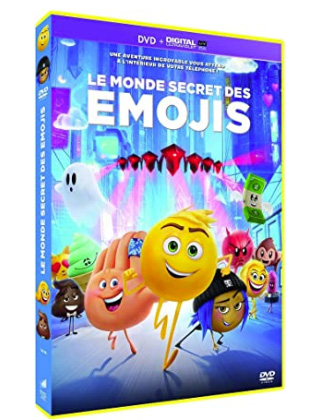
The Emoji Movie
Synopsis
Hidden inside a teenager's smartphone lies Textopolis, a bustling digital city where all favorite emojis live, hoping to be selected by the phone's owner. Unlike his fellow emojis who each possess a single facial expression, Gene is an exuberant emoji born with multiple expressions who embarks on a quest to become normal. Teaming up with his cynical best friend Hi-5 and a clever code-breaker hacker named Jailbreak, Gene journeys through various smartphone apps in search of the elusive code fix. Their frantic digital adventure ultimately saves the phone from being wiped.
The Making of the Film
Director Tony Leondis co-wrote and directed the animated feature film, conceived after Sony Pictures Animation won a fierce competitive bidding war for the conceptual film rights. The inspiration stemmed from wanting to explore the secret, vibrant inner workings of smartphones and how emojis communicate human emotion in the modern digital age. The production team aimed to construct a colorful digital metropolis featuring popular branded apps like Spotify, Twitter, and Dropbox. The script focused heavily on individuality and self-acceptance within a conforming digital society.
Critical and Reception
Professional critics universally panned the film upon release, criticizing its blatant product placement, uninspired script, lazy pop-culture jokes, and lack of genuine originality. Despite the overwhelming critical backlash, families and young audiences turned the animated feature into a profitable box-office success worldwide. Reviewers noted that the film became a frequent target of internet mockery. Over time, it secured a notorious reputation as one of the most critically derided animated films ever made.
Filming Anecdotes
Director Tony Leondis drew inspiration from classic toy-story and digital world concepts, app design culture, and smartphone communication habits. Production faced intricate licensing and branding negotiations to secure permission to feature real-world apps like Instagram, Candy Crush, and YouTube within the digital city. During the vocal recording sessions, T.J. Miller, James Corden, and Anna Faris maintained high comedic energy. The studio provided full technological backing to create the sprawling digital app landscapes.
Themes Explored
The film explores individuality, self-acceptance, digital communication, friendship, and non-conformity. It examines how suppressing one's unique emotional expressions harms personal identity. Friendship serves as the core anchor for the digital trio. Additionally, smartphone app culture provides a contemporary backdrop.
Explanation of the Ending
The narrative concludes with Gene accepting his multiple expressions and proving his unique value just in time to save Textopolis from a factory reset, sending his authentic multi-expression emoji code to the teenager's phone and winning the owner's delight. Expressing his true self proudly, Gene joins his cheering friends in the app city. The final scenes show the emojis celebrating happily in digital harmony. The resolution provides a cheerful, feel-good closure to the animated adventure.
Meaning of the Title
The title refers directly to the central subject of the film: emojis and their secret animated lives inside smartphones, framing the narrative as a cinematic exploration of digital symbols. It signifies smartphone technology, pop culture, and messaging. The name creates an instantly recognizable, commercial hook for a family animated film. It captures the core premise of the story.
There are no recent major developments or active news items regarding this film.