

 Français
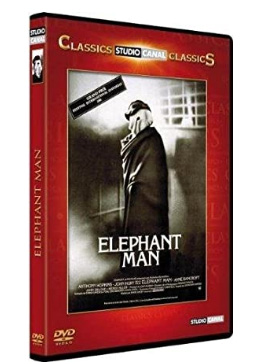
The Elephant Man
Synopsis
Set in Victorian London in 1888, Dr. Frederick Treves discovers John Merrick, a horribly deformed young man displayed as a sideshow freak in a brutal Victorian freak show under the abusive management of a carny owner. Moving Merrick to a quiet hospital room at the London Hospital, Dr. Treves discovers to his astonishment that beneath the grotesque, tumor-covered exterior lies a gentle, highly intelligent, and articulate soul who loves art, literature, and poetry. As London high society and royalty embrace Merrick as an honored guest, Merrick experiences human dignity, kindness, and friendship for the very first time in his life, touching the hearts of everyone he meets before his tragic end.
The Making of the Film
Director David Lynch adapted the biographical drama from Sir Frederick Treves's 1923 memoirs and Dr. Ashley Montagu's anthropological study. Producer Jonathan Sanger and executive producer Mel Brooks championed Lynch to direct after being mesmerized by his surreal indie debut 'Eraserhead', bringing gothic black-and-white expressionism to the Victorian true story.
Critical Reception
Professional critics universally acclaimed the film as a masterpiece of compassionate cinema, praising John Hurt and Anthony Hopkins' powerhouse performances, Freddie Francis's gothic cinematography, and Lynch's sensitive direction.
The general public embraced the movie warmly, turning it into a major box office and critical success worldwide.
The film received eight Academy Award nominations, including Best Picture, Best Director, and Best Actor for John Hurt.
Behind-the-Scenes Stories
Director David Lynch drew inspiration from 19th-century Victorian London history, medical archives, and German expressionist horror cinema. Production required John Hurt to spend up to eight hours daily enduring grueling prosthetic makeup applications based on the actual medical casts of John Merrick.
During the filming of the famous train station harassment sequence, crowds gathered around Hurt in genuine shock.
Initially, various directors were considered before Lynch brought his unique gothic sensitivity to the biographical project.
Themes Explored
The film explores human dignity, inner beauty versus physical deformity, Victorian class society, empathy, and cruelty.
Ending Explained
The ending shows Merrick peacefully removing the pillows from his bed to sleep flat on his back for the very first time—knowing it will cause his death—before his spirit ascends to join his mother in heaven.
Meaning of the Title
The title 'The Elephant Man' references the historical freak-show moniker given to John Merrick due to his severe physical deformities.
Similar Films
Mask, The Hunchback of Notre Dame, Freaks, Awakenings